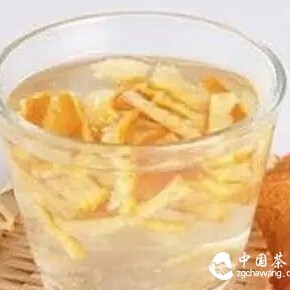
How to Drink Tea on Smoggy Days?
Smoggy weather poses significant health risks due to airborne pollutants. In addition to wearing masks outdoors, drinking certain types of tea can help support the body's defenses. Traditional Chinese medicine recommends various tea blends using ingredients like ginger, orange peel, garlic, and chry...
Tea News · Mar 12, 2026
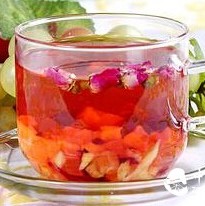
Drinking Flower and Fruit Tea to Prevent Colds in Spring
Flower and fruit tea is typically composed of natural ingredients such as tropical hibiscus flowers, grapes, apples, sour plums, rose flowers, papayas, mangoes, citrus peels, cornflowers, Roman chamomile, and roses, all free from pollution. It helps combat colds primarily due to the active vitamin C...
Tea News · Mar 12, 2026
People with Stomach Problems Should Drink Tea with Caution
After the Spring Festival, it's the perfect season for tea picking, processing, and tasting. However, people with gastrointestinal issues need to be cautious when drinking tea. Certain teas like raw Pu-erh, green tea, and chrysanthemum tea, which are cool or cold in nature, can irritate the stomach...
Tea News · Mar 12, 2026


Handling Tea Leaves with Bare Hands Can Accelerate Their Deterioration
When brewing tea daily, people often pay great attention to teaware such as teapots and cups but neglect the proper way of taking tea leaves. In fact, improper handling can surprisingly harm the quality of tea. Tea is highly susceptible to moisture and odors. Our hands come into contact with various...
Tea News · Mar 12, 2026
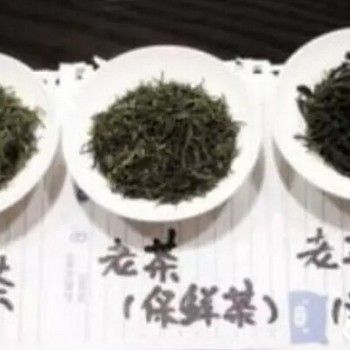
Which is Better: New Tea or Aged Tea?
The debate between new tea and aged tea centers on personal preference and the type of tea. New tea, typically from the current year's harvest, is prized for its freshness. However, certain varieties like Wuyi Rock Tea, Fu Brick Tea, and Pu'er actually improve with proper aging, developing richer, s...
Tea News · Mar 12, 2026
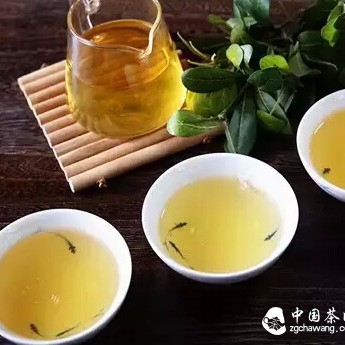
What tea is good to drink when it's rainy and humid?
During the rainy spring season, dampness can easily accumulate in the body. Drinking tea is an effective way to remove dampness, as it promotes diuresis and soothes the throat. Green tea is particularly effective for dispelling dampness due to its unfermented nature, which preserves its original com...
Tea News · Mar 12, 2026
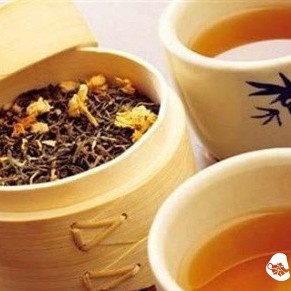
Cooking Rice with Tea Leaves Actually Has Four Major Benefits
Incorporating tea into daily cooking, specifically by using tea water to cook rice, offers several health benefits rooted in traditional practices. This simple method can help prevent cardiovascular diseases by softening blood vessels and lowering lipid levels. It also aids in preventing digestive t...
Tea News · Mar 12, 2026
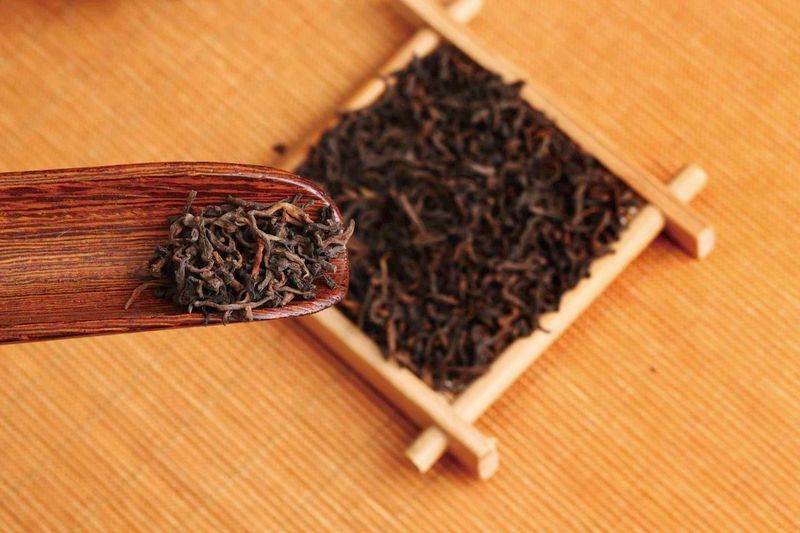
Four Herbal Teas to Help You Fight Insomnia
This article introduces four traditional Chinese herbal tea recipes specifically designed to alleviate insomnia and improve sleep quality. The teas include Semen Platycladi Tea, which nourishes the heart and calms the mind while aiding bowel movements; Peanut Leaf Tea, known for its tranquilizing pr...
Tea News · Mar 12, 2026
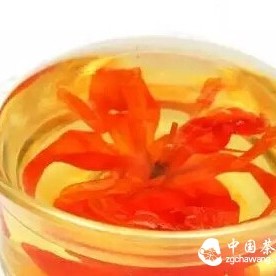
Hello Spring, I am Flower Tea
Flower tea, also known as scented tea, is made by blending fresh tea leaves with fragrant flowers. The tea absorbs the floral aroma during the scenting process, after which the dried flowers are usually removed. Popular in northern China for its strong fragrance and deep-colored infusion, the most c...
Tea News · Mar 12, 2026