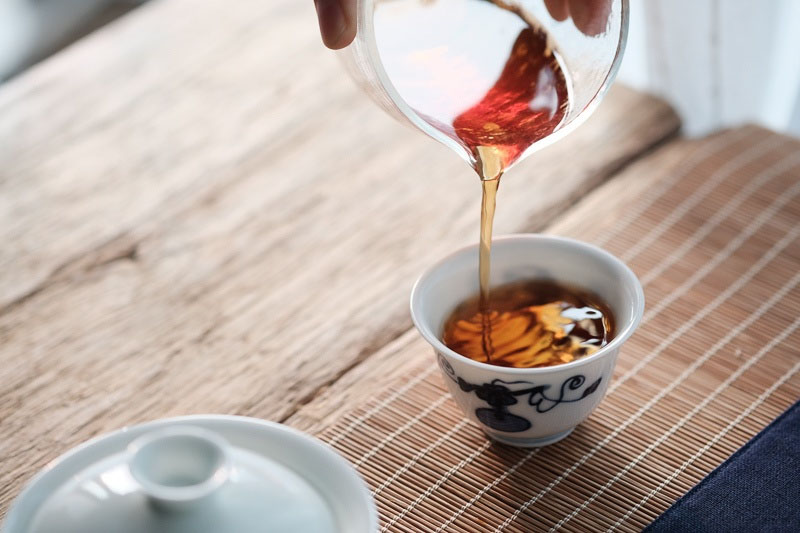
Hunan: Dark Tea Becomes More Fragrant with Age
Dark tea, a post-fermented tea made from steamed and compressed green tea, gains its unique value and flavor through aging. The secret lies in the 'golden flowers'—a type of beneficial fungus called Eurotium cristatum that grows during fermentation. This fungus not only transforms the tea's aroma by...
Tea News · Dec 27, 2025
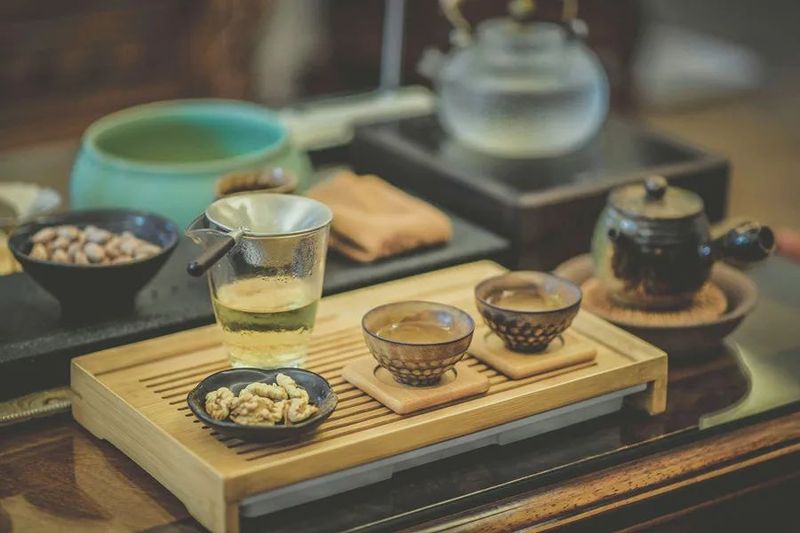
Introduction to the Six Flavors of Tea
Tea is widely enjoyed across all social classes, with flavors ranging from sweet to bitter, light to strong, and thin to thick. It can be distinguished by its tenderness, softness, or hardness, as well as by its smoothness or astringency. The six desirable qualities of tea are: lightness upon enteri...
Tea News · Dec 27, 2025

Can Uremia Patients Drink Tea?
For uremia patients in the most severe stage of kidney failure, dietary management is crucial alongside treatment. While tea offers general health benefits like improved circulation and antioxidant effects, its consumption requires caution. Tea contains caffeine and tannic acid, which can overstimul...
Tea News · Dec 26, 2025
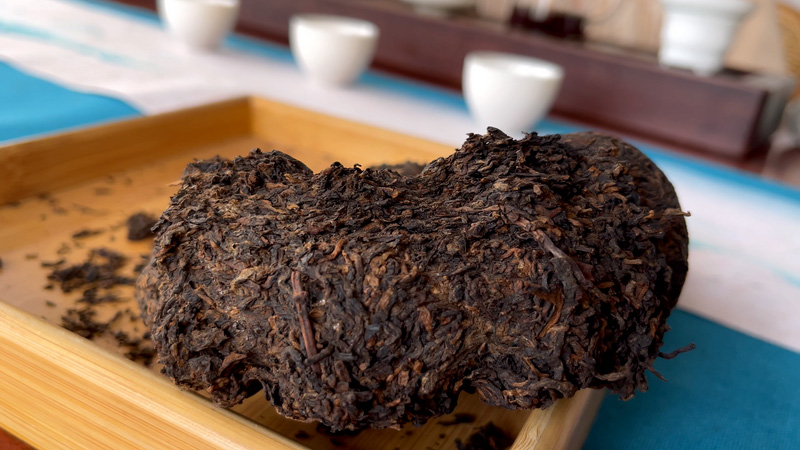
Introduction to the Medical Effects of Anxi Tieguanyin
Anxi Tieguanyin is not only a fragrant and mellow natural beverage but also renowned for its exceptional health benefits. Modern medical research indicates that Tieguanyin possesses various health-promoting properties beyond those of ordinary teas. These include anti-aging effects, anti-cancer poten...
Tea News · Dec 26, 2025
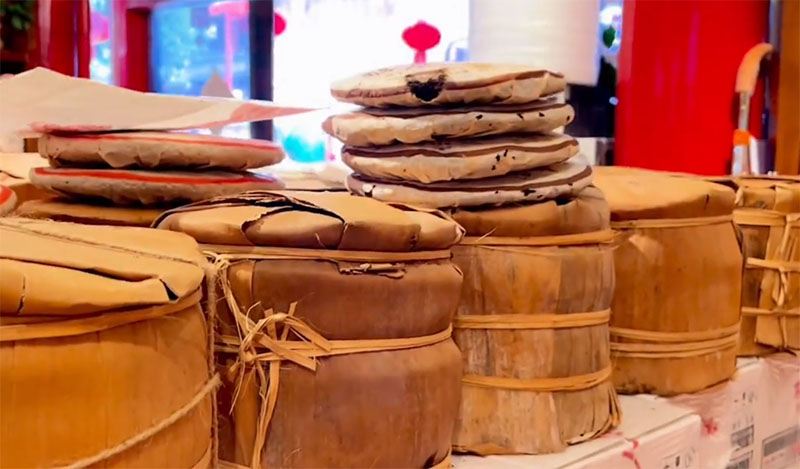
Methods of Naming Tea
The naming of tea leaves generally follows seven categories: 1. Named after the shape of the tea leaves, such as Liu'an Guapian, Junshan Yinzhen, Dongting Biluochun, Zhen Mei, and brick tea. 2. Named after the tea plant variety, like Baihao. 3. Named after the tea's place of origin, such as Pu'er te...
Tea News · Dec 26, 2025
The Origin of British Tea Culture
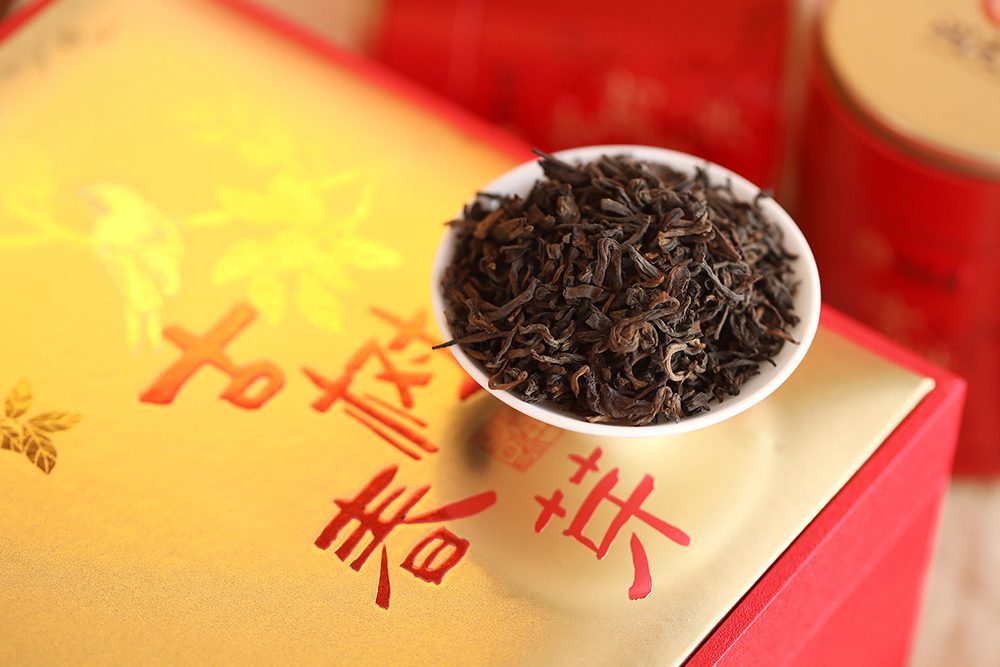
British tea culture has deep royal origins, famously initiated by Catherine of Braganza, the Portuguese princess who married King Charles II in 1662. Her dowry included precious Chinese tea and tea sets, setting a trend among the aristocracy. Tea became widely popular across Britain after the discov...
Tea News · Dec 26, 2025
Introduction to Qiangang Huibai Tea
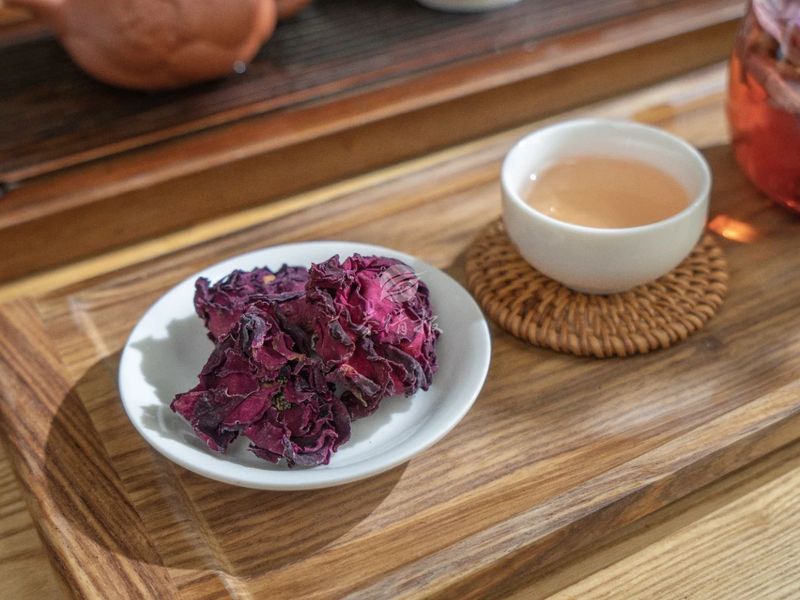
Qiangang Huibai is a renowned green tea from Zhejiang Province, produced in Shengzhou City. Characterized by its granular shape and a green color with a distinctive frost-like white bloom (hence the name 'Huibai' , this tea is dense and substantial. It possesses the high, sharp aroma typical of pan-...
Tea News · Dec 25, 2025
Introduction to Guiding Yunwu Tea
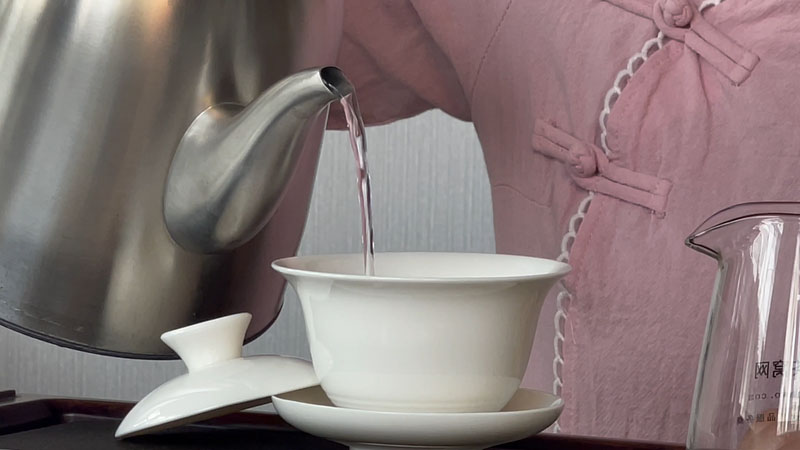
Guiding Yunwu Tea, originating from Guiding County in Guizhou Province, boasts a history spanning over 2,000 years of cultivation and over 600 years as a tribute tea. Grown in the pristine, pollution-free environment of the Yunwu Mountain, this tea is renowned for its superior quality, characterized...
Tea News · Dec 24, 2025
Introduction to Meijiang Cuipian Tea
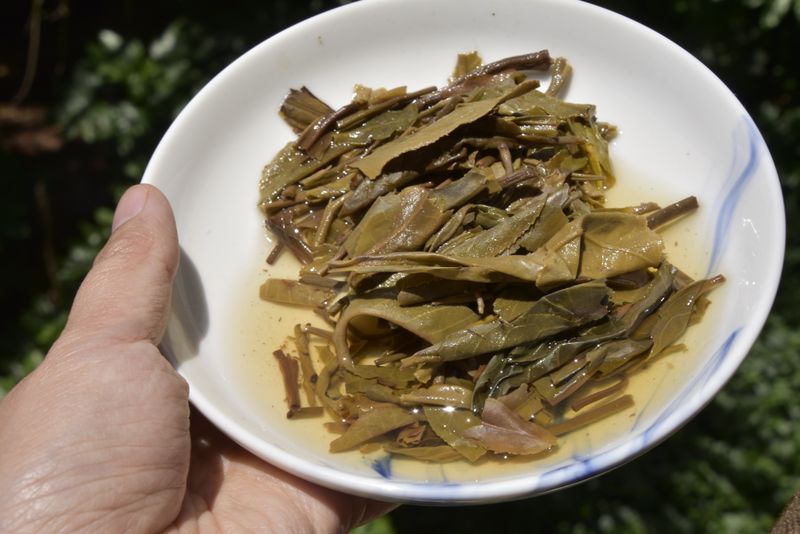
Meijiang Cuipian Tea, originally named Meijiang Tea, derives its name from its origin along the banks of the Meijiang River. Created in 1943, it boasts a history of over 60 years and is a renowned flat-shaped tea from Guizhou Province. Primarily sold in Guiyang and Zunyi, it also reaches markets in...
Tea News · Dec 24, 2025
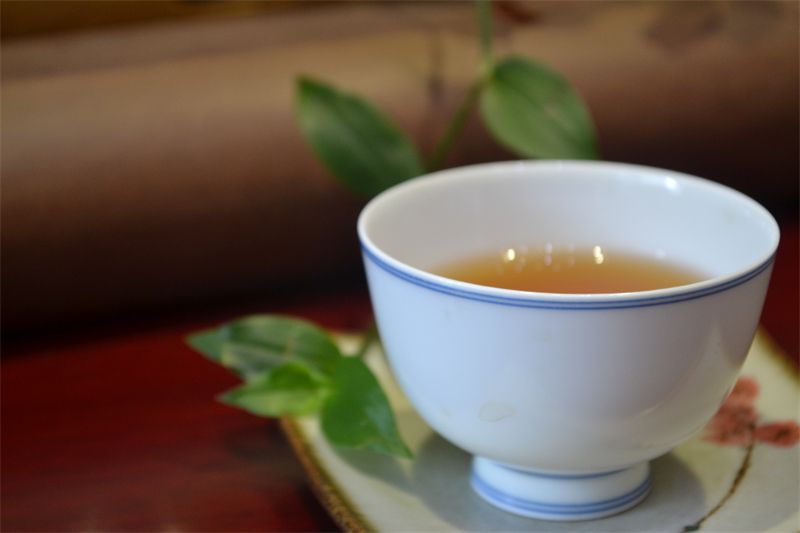
Introduction to Haimagong Tea
Haimagong Tea is a famous yellow tea from Haimagong Township in Dafang County, Guizhou Province, with a history dating back to the Qing Dynasty. Grown at high altitudes with a unique microclimate, it is made from local tea varieties picked around Grain Rain. Its processing involves traditional steps...
Tea News · Dec 24, 2025