The 4 Look-For's and 6 Look-Out-For's of Inferior Pu-erh Tea
Pu-erh tea, with a history of thousands of years in Yunnan, has only recently gained widespread attention. Its unique flavor and health benefits align with modern wellness trends, driving popularity. However, the market remains immature, with few experts capable of authentic assessment. Driven by pr...
Tea News · Dec 05, 2025
Tasting Pu-erh Tea is Like Tasting the Flavors of Life - Understanding the Three Charms of Pu-erh Tea
True tea tasting is not merely about the mouth or tongue, but about the heart and soul. It is a profound art of appreciation where one savors the tea while the tea, in turn, reflects the taster. Understanding Pu-erh tea involves grasping its three essential charms: Chen Yun (Aged Charm , Shen Yun (S...
Tea News · Dec 05, 2025
Savoring the World's Four Major Black Teas
The article explores the origins of tea and black tea, tracing its discovery to Shennong in ancient China and its formal documentation in Lu Yu's 'The Classic of Tea' during the Tang Dynasty. It highlights the development of black tea, from its early mentions in the Ming Dynasty to the evolution of...
Tea News · Dec 03, 2025
If You Think Anxi Only Has Tieguanyin, You're Outdated
Anxi is famous for Tieguanyin tea, but it also produces other excellent varieties such as Benshan, Huangjingui, Maoxie, and Meizhan. While these varieties are often misunderstood or used to impersonate Tieguanyin, each has its own unique qualities. For instance, Benshan offers a robust flavor apprec...
Tea News · Dec 02, 2025
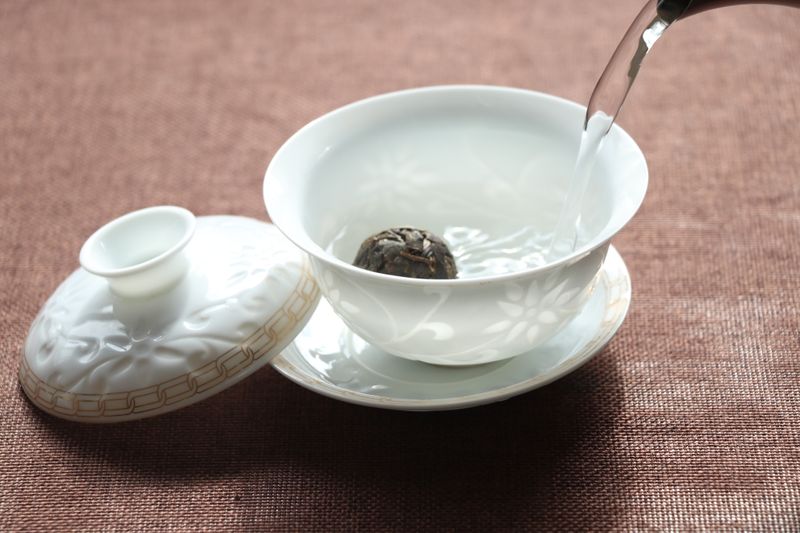
The Oldest Pu'er Tea Tree
Pu'er tea is currently a best-selling product in the tea market, beloved and highly praised by tea enthusiasts for its unique health benefits and rich flavor. There are many varieties of Pu'er tea, differing by tea mountain and production methods, with ancient tree Pu'er tea being particularly favor...
Tea News · Dec 02, 2025

Which Tea Region? Stimulate Your Taste Buds
Yunnan Province is a major tea-producing region in China, with Pu'er tea primarily cultivated in four main areas from north to south: Baoshan City, Lincang City, Pu'er City (formerly Simao , and the Xishuangbanna Autonomous Prefecture. Lincang City, located in southwestern Yunnan, is currently the h...
Tea News · Dec 02, 2025
Laowu Mountain: An Ancient Tea Mountain Facing Xigui Across the River
Laowu Mountain, located in Zhenyuan County, is a notable branch of the Wuliang Mountains and one of Pu'er City's 26 famous ancient tea mountains. With an altitude of 1700-2200 meters, it boasts a rich history of tea cultivation dating back to the Tang Dynasty, over a thousand years ago. The mountain...
Tea News · Dec 01, 2025
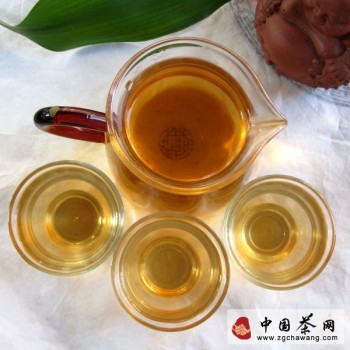
Bitter-Tasting Pu-erh Tea
The presence of a 'bitter and astringent' taste in Pu-erh tea does not necessarily indicate poor quality. Bitterness primarily stems from natural compounds like caffeine and tea polyphenols, which are actually more concentrated in tender young leaves—often a mark of higher-grade tea. High-quality Pu...
Tea News · Nov 30, 2025
Identifying Dark Tea: Essential Tasting Terminology
Dark tea is a fully fermented tea primarily produced in Sichuan, Yunnan, Hubei, Hunan, Shaanxi, and Guangxi. Its basic processing involves fixation, initial rolling, pile fermentation, re-rolling, and baking. The leaves are typically coarse and undergo extended fermentation, resulting in a dark brow...
Tea News · Nov 30, 2025
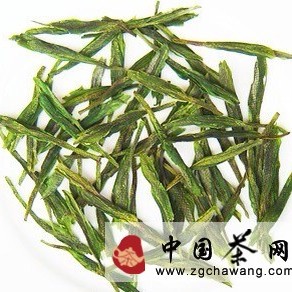
Tea Basics (Questions 1-10)
This article provides fundamental knowledge about tea, explaining why China is considered the homeland of tea and why the southwestern region is recognized as the origin of tea trees. It covers the legendary story of 'Shen Nong Tasting Hundred Herbs' and classifies Chinese tea into six basic types b...
Tea News · Nov 30, 2025