Tea Knowledge Culture (Questions 56-65)
This section explores fascinating aspects of Chinese tea culture from questions 56 to 65. It covers the historical practice of 'Dou Cha' (tea competitions from the Song Dynasty, explains the term 'Tea Doctor', and traces the origin of the covered tea bowl. The text delves into Lu Yu's water selecti...
Tea News · Nov 30, 2025
Tea Knowledge and Culture (Questions 66-75)
This section explores Chinese tea culture through historical anecdotes and traditions. It includes the famous Seven Bowls of Tea poem by Tang poet Lu Tong, the origin of the 'Tea and Ink Both Fragrant'典故 involving Su Dongpo, and the etymology of 'TEA' from Fujian dialect. It explains Chinese tea vir...
Tea News · Nov 30, 2025
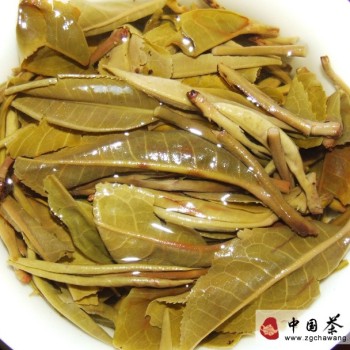
Comparative Study on Pu'er Tea Leaf Base Analysis (Part 1)
This article presents a comparative study on analyzing Pu'er tea quality through examining brewed tea leaves (leaf base . While not entirely definitive, leaf base examination provides valuable insights for tea enthusiasts. The study showcases various leaf characteristics corresponding to different t...
Tea News · Nov 29, 2025
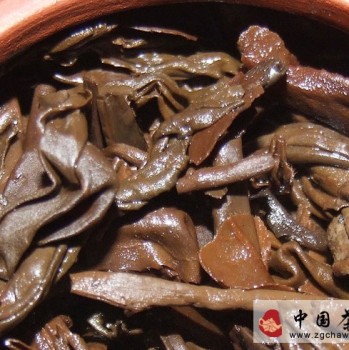
Illustrated Guide: Analysis and Comparison of Pu-erh Tea Leaves (Part 2)
Selecting tea leaves and judging their quality through leaf base analysis is not entirely accurate but serves as a 'best possible estimate.' In most cases, good tea exhibits characteristics of high-quality raw materials. However, in rare instances, invisible processing or storage issues may prevent...
Tea News · Nov 29, 2025
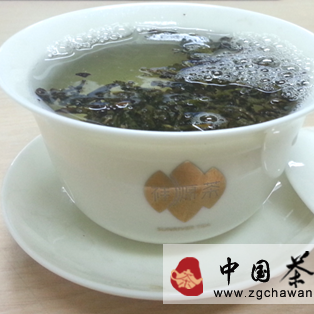
The 'Foam' on the Tea Soup Surface - Tea Saponin
When brewing tea, a layer of 'foam' often appears on the surface of the tea soup, particularly more abundant in the first two or three infusions. This 'foam' is not pesticide residue or impurities from the tea leaves, but rather a substance called tea saponin. Scientific research has shown that tea...
Tea News · Nov 28, 2025
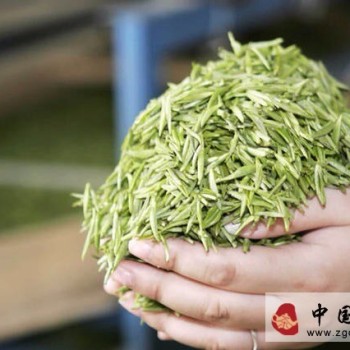
100 Questions and Answers on Chinese Tea Knowledge (Questions 41-60)
This section covers questions 41 to 60 about Chinese tea knowledge, focusing on various famous teas from Shaanxi Province, such as Ningqiang Queshe, Hanshui Yinsuo, and Dingjun Mingmei, detailing their classifications, origins, characteristics, and honors. It also explains the economic significance...
Tea News · Nov 28, 2025
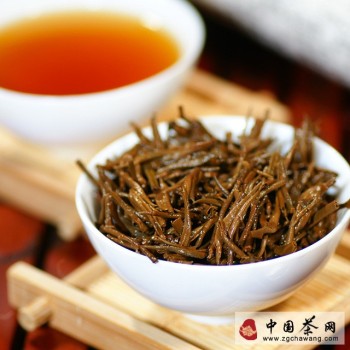
The Definitive Guide to Black Tea: Essential Black Tea Knowledge You Must Know
Black tea originated in the Wuyi Mountain region of China during the mid-Ming Dynasty, with Lapsang Souchong being the earliest variety. Through trade, it reached Europe where it became particularly popular among British aristocracy. Unlike green tea which is unfermented and oolong which is semi-fer...
Tea News · Nov 27, 2025
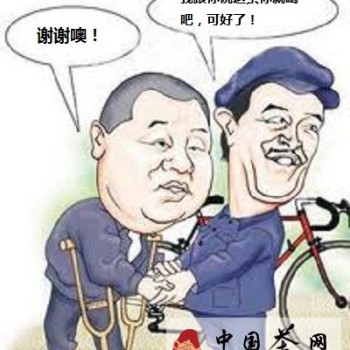
Debunking Misconceptions: Those Years, The Lies Tea Merchants Told You
This article exposes common misleading statements used by tea merchants to deceive consumers. It clarifies misconceptions such as 'all teas are equal, just find what suits you' by explaining that while different tea categories have unique merits, quality variations exist within each type. The piece...
Tea News · Nov 27, 2025
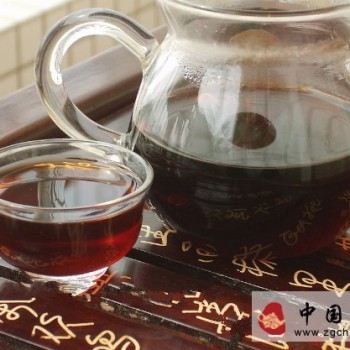
Four Common Misconceptions About Pu-erh Tea
Pu-erh tea is beloved for its reddish appearance, bright liquor, unique aroma, and mellow taste. However, many people hold misconceptions about it. Firstly, not all older Pu-erh is better - quality and proper storage are crucial. Secondly, repeatedly boiling water for brewing harms both flavor and h...
Tea News · Nov 25, 2025
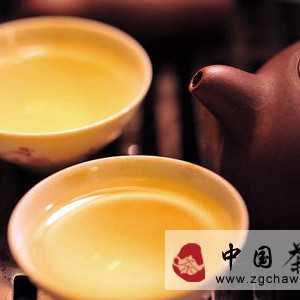
Discussing 'Tea Competitions' in Wuyishan Rock Tea Village
Wuyishan's Da Hong Pao is renowned, yet few know about Wuyishan Rock Tea. Entering the authentic Rock Tea Village, one is immersed in a rich tea culture. At local tea farmer Yu Shengliang's home, a massive root-carved tea table dominates the living room, complete with teapots, cups, spoons, various...
Tea News · Nov 25, 2025