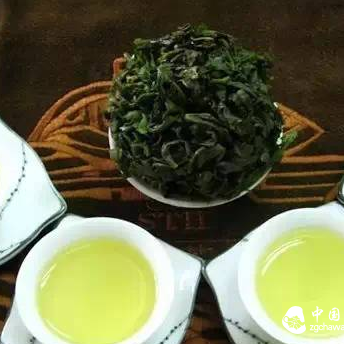
Tieguanyin is too fragrant, teach you to identify 'flavored tea'
Some teas on the market smell very fragrant but lack true tea flavor when brewed, leading to suspicions of added flavorings. Tea aroma primarily depends on the tea plant variety, processing, and storage. While some low-quality teas may indeed be adulterated with flavorings or pigments to refresh old...
Tea News · Jan 09, 2026
Where Does the Sweetness of Ancient Tree Pu-erh Come From?
The pronounced and lingering sweetness in ancient tree Pu-erh tea primarily stems from its higher carbohydrate metabolism. Older trees accumulate more sugars (like glucose and fructose and complex carbohydrates (such as starch and cellulose compared to younger trees, which focus more on nitrogen-b...
Tea News · Jan 09, 2026
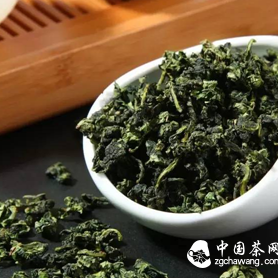
Why is Tieguanyin tea, and why does tasting it feel like first love?
Tieguanyin is a premium variety of Oolong tea (also known as green tea , originating from Anxi County in Fujian Province, China, with a long history and revered as the 'King of Teas.' It is renowned for its unique 'Yunwei' (rhythmic flavor , offering a rich, sweet aftertaste and a lingering aroma th...
Tea News · Jan 09, 2026
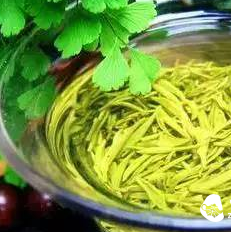
High Temperature Strikes, Drink More Tea to Prevent Heatstroke in Summer
As summer brings high temperatures, many people turn to cold drinks to quench thirst and reduce internal heat. However, excessive consumption of cold beverages can harm the stomach. Drinking tea is actually the healthiest method to dispel heat. But proper tea drinking is key to health preservation....
Tea News · Jan 09, 2026
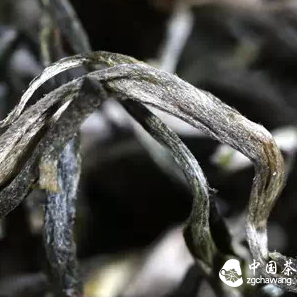
How to Identify Pu-erh Tea with the Naked Eye?
High-quality Pu-erh tea can be identified by its appearance. Raw Pu-erh typically exhibits a bluish-brown color, while ripe Pu-erh shows a reddish-brown hue. The tea leaves should be plump, tightly rolled, and emit pleasant aromas such as floral, fruity, orchid, fresh, longan, or camphor notes, ofte...
Tea News · Jan 09, 2026
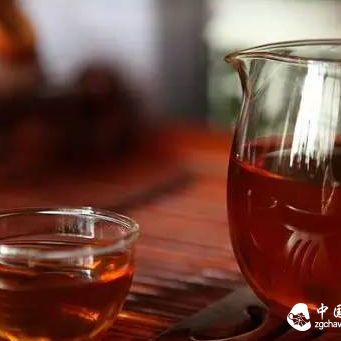
The Principle of Why Drinking Dark Tea is Suitable for High Meat Consumption
Dark tea is rich in nutrients, especially vitamins and minerals, making it an essential source for people in regions with diets high in meat and dairy but low in vegetables and fruits. It contains high levels of bioactive tea polysaccharides, which have proven health benefits such as lowering blood...
Tea News · Jan 09, 2026
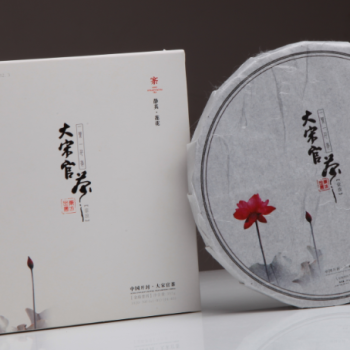
Black Tea Health: Drinking Black Tea Regularly, Enjoying Tea and "Longevity"
What is "Tea Longevity"? Folklore suggests that when ancient people created characters, they noted this pattern: eating grains is called "Rice Longevity," meaning living to 88 years old, while "Tea Longevity" adds twenty years on top of the character for rice, implying one can live to 108. China is...
Tea News · Jan 09, 2026
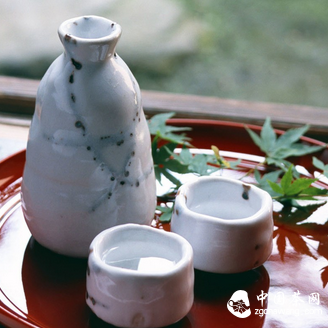
Is the Legendary 'Strong Tea to Sober Up' Actually Good?
Using strong tea to counteract drunkenness is equivalent to adding fuel to a fire. Alcohol stimulates the nervous system, increasing heart rate, dilating blood vessels, and accelerating blood flow. When a person is drunk, this stimulating effect intensifies into an adverse irritation. The theophylli...
Tea News · Jan 09, 2026
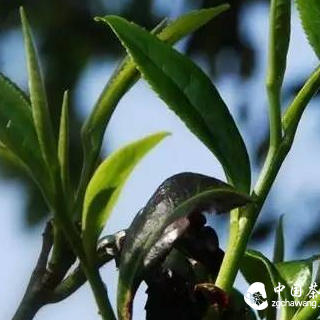
Can Raw Pu-erh Tea and Ripe Pu-erh Tea Be Stored Together?
Raw Pu-erh tea and ripe Pu-erh tea are two types of tea with distinctly different quality characteristics and should never be stored together. The primary reasons are their differing aroma profiles and leaf residue colors. Raw Pu-erh typically develops fragrances like delicate, lotus, fresh, chestnu...
Tea News · Jan 09, 2026
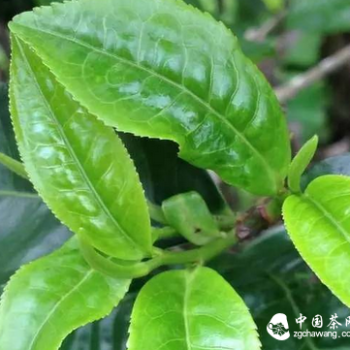
The Sensation of Sipping Pu-erh Tea Soup in the Mouth
The tasting experience is undoubtedly a key indicator for evaluating the quality of Pu-erh tea. It primarily encompasses the following aspects: the initial affinity upon entry, including bitterness, astringency, and aroma purity; the mouthfeel as the tea soup flows through the oral cavity, where its...
Tea News · Jan 08, 2026