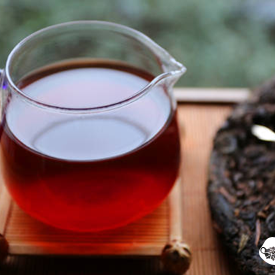
Why are Pu-erh tea cakes tightly compressed instead of stored loose?
Pu-erh tea is often compressed into cakes, bricks, or other shapes rather than stored loose. This tradition originated from historical transportation needs along the ancient Tea Horse Road, where compact forms allowed for easier and more efficient transport by horse caravans. Beyond practicality, ti...
Tea News · Jan 11, 2026
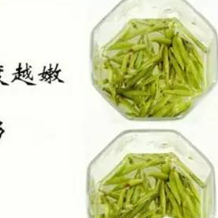
What is Tea Fuzz?
Tea fuzz, often called 'tea hairs' or 'pekoe,' refers to the tiny, fine hairs found on the buds and young leaves of tea plants. These hairs are rich in theanine, an amino acid that contributes to the tea's umami and sweet flavor. In many premium teas, such as high-grade green teas, white teas, and c...
Tea News · Jan 11, 2026
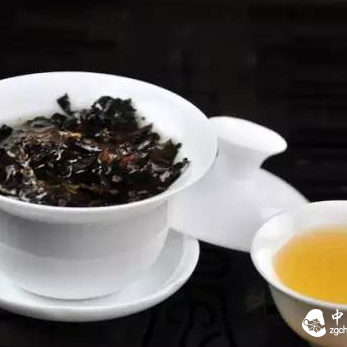
Old Shou Mei: What Health Benefits Does It Bring to Tea Drinkers?
Old Shou Mei, a variety of white tea from Fuding, is cherished for its unique health properties and aging potential. As it matures, its content of flavonoids—a potent antioxidant that helps combat cellular aging—increases significantly. The tea offers a smooth, mellow, and sweet taste with evolving...
Tea News · Jan 10, 2026
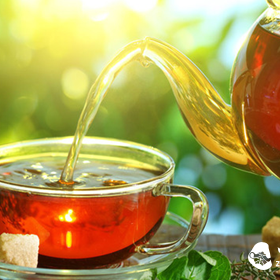
Jiangshan Green Peony Green Tea
Jiangshan Green Peony is a distinctive green tea known for its unique appearance, resembling peony petals with straight, natural strips, prominent white hairs, and an attractive emerald green color. The tea leaves unfurl into complete buds in the cup, presenting a tender, bright green hue. It is sim...
Tea News · Jan 10, 2026
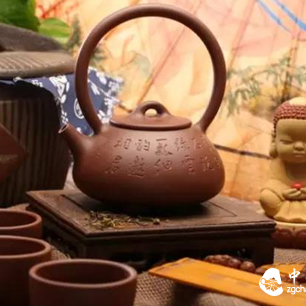
Did You Know That Drinking Tea Can Also Make You Drunk?
Tea drunkenness, similar to alcohol intoxication, can occur when consuming excessive amounts of strong tea on an empty stomach. Symptoms include dizziness, tinnitus, weakness, nausea, and restlessness. The primary cause is caffeine in tea leaves, which disrupts electrolyte balance and enzyme activit...
Tea News · Jan 10, 2026

How Many Times Should Tea Be Brewed for Health? Drinking Tea Incorrectly Can Cause Cancer
This article discusses the health effects of drinking tea, particularly addressing misconceptions about tea aiding in weight loss. It explains that while tea can stimulate gastric acid secretion and promote digestion—creating a feeling of hunger or reducing greasiness—it does not actually lead to we...
Tea News · Jan 10, 2026
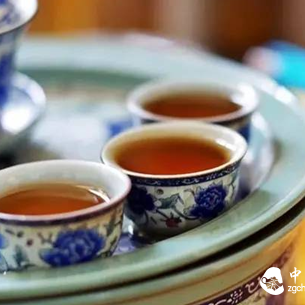
Four Time Points When It's Not Advisable to Drink Tea
While drinking tea offers health benefits, timing matters. Consuming tea at the wrong times can potentially harm health. It is best to avoid drinking tea during four specific periods: on an empty stomach, as caffeine and alkaloids may cause symptoms like palpitations and dizziness; when intoxicated,...
Tea News · Jan 10, 2026
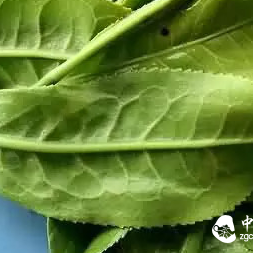
Tea Zhihu: Why is Oolong Tea Called 'Oolong'?
Oolong tea, also known as green tea, is a semi-fermented tea with many varieties. It is a distinctive tea category in China, known for its unique processing method involving steps like picking, withering, shaking, frying, rolling, and baking. The name 'Oolong' comes from a Fujian dialect word meanin...
Tea News · Jan 10, 2026
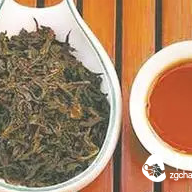
Sharing How to Appreciate Wuyi Rock Tea
Wuyi Rock Tea, produced in the majestic Wuyi Mountains, belongs to the Oolong tea family (semi-fermented tea . It combines the mellow sweetness of black tea with the fresh fragrance of green tea, embodying the precious qualities of 'liveliness, sweetness, clarity, and aroma' in a single cup. With a...
Tea News · Jan 10, 2026
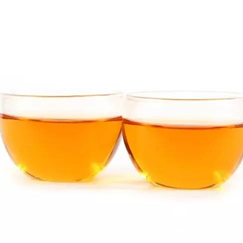
A Detailed Explanation of Souchong Black Tea and Gongfu Black Tea
This article delves into the historical origins and distinctions between Souchong black tea and Gongfu black tea. It traces the earliest documented mentions of the terms 'Souchong' and 'Gongfu' to a 1717 text, initially describing grades of Wuyi tea rather than black tea specifically. Today, Gongfu...
Tea News · Jan 09, 2026