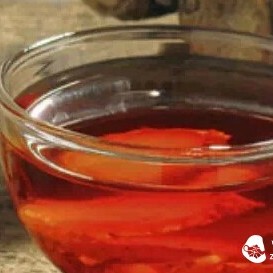
Drinking Ginger Black Tea Helps with Weight Loss
This article introduces a three-stage weight loss method centered around drinking ginger black tea. The first stage is an adaptation period, maintaining normal meals while drinking ginger black tea after dinner. The second stage is a challenge period, replacing breakfast with ginger black tea and op...
Tea News · Apr 18, 2026
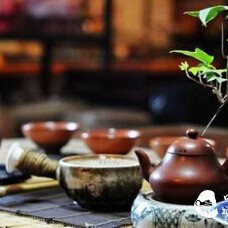
Drink Some "Black" Tea in Winter
In winter, consider adding some "black" tea to your routine. Black tea, often called the "coarse grain" of teas, is made from mature leaves and offers unique health advantages. It is rich in dietary fiber, tea polysaccharides, tea pigments, and special amino acids like γ-aminobutyric acid (GABA . Th...
Tea News · Apr 18, 2026

The "Literary and Artistic" Names of Wuyi Rock Tea
Beyond the famous Da Hong Pao, the variety and classification of Wuyi Rock Tea can be complex even for seasoned tea drinkers. Wuyi Mountain's terrain, with its 36 peaks, 72 caves, and 99 rocks, gives rise to the saying 'every rock has tea, no tea without rock,' hinting at the vast array of cultivars...
Tea News · Apr 18, 2026
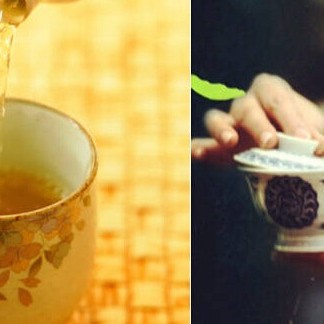
How to Drink Tea for Better Health (A Must-Read for Tea Lovers)
Tea, a traditional Chinese beverage, contains tannic acid, theophylline, caffeine, aromatic oils, vitamins, and chlorophyll. Moderate consumption can quench thirst, remove dampness and heat, refresh the mind, and promote overall health. However, tea has its inherent taboos. Medical experts advise th...
Tea News · Apr 18, 2026
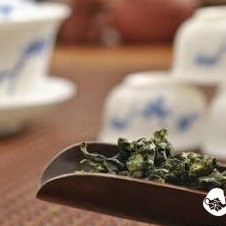
Why Tieguanyin Should Not Be Steeped Too Many Times
Many people enjoy Anxi Tieguanyin tea for its rich aroma, robust flavor, and high nutritional value, containing beneficial compounds like cancer-inhibiting tea polyphenols, blood-sugar-lowering tea polysaccharides, amino acids, and vitamins. The release of these nutrients and the tea's unique taste...
Tea News · Apr 18, 2026
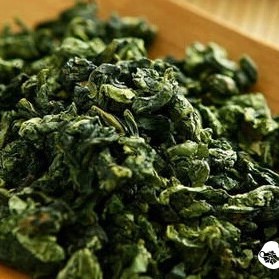
Both a Beverage and a Medicine: Exploring the Lesser-Known Marvelous Uses of Anxi Tieguanyin
Anxi Tieguanyin is renowned not only as a premium tea but also for its diverse medicinal applications. In the past, when medicines were scarce, it served as an effective remedy for various ailments. This article details several lesser-known uses of Tieguanyin, such as treating indigestion, diarrhea,...
Tea News · Apr 18, 2026
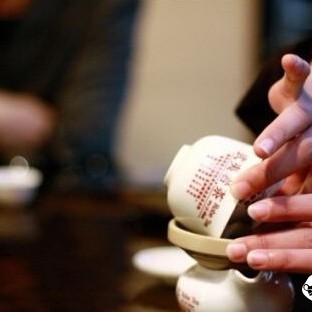
Those Years, Tea Enthusiasts Encountered the Bizarre Teas
The tea market occasionally presents some truly peculiar products. This article recounts the experiences of tea lovers with several bizarre teas, including a 'Pu-erh with Jujube and Bitter Gourd' that tastes like a complex herbal soup, a 'Pu-erh Tea Cigarette' that produces a smoky, cured meat-like...
Tea News · Apr 18, 2026
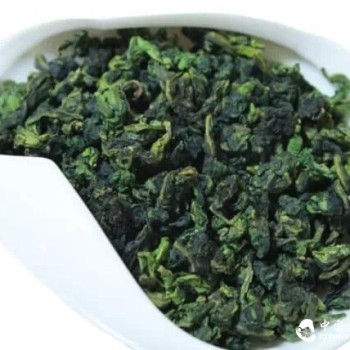
What are the differences between the five main aroma types of Tieguanyin?
Tieguanyin tea is categorized into five distinct aroma types based on processing techniques and flavor profiles. The Light Aroma type is lightly fermented, featuring a clear, green liquor and a fresh, slightly sour taste, appealing for its visual appeal and light flavor but may be harsh on sensitive...
Tea News · Apr 18, 2026
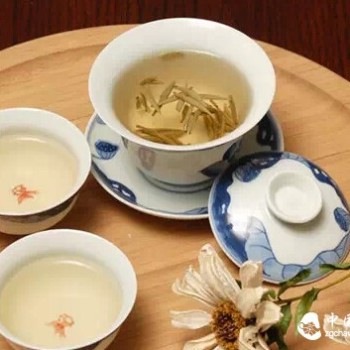
Elegant White Tea with High Medicinal Properties! Six Daily Ways to Brew White Tea, Fragrance of Tea Everywhere in Life
White tea is renowned among the six major tea categories for its high medicinal properties, offering excellent benefits for reducing internal heat, relieving dryness, and improving skin health. This article introduces six practical brewing methods suitable for various daily scenarios: the cup method...
Tea News · Apr 18, 2026
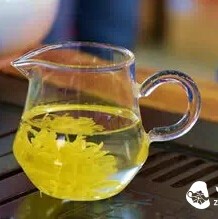
Seven Teas to Drink Away Your Eye Fatigue
For the increasing number of people who make a living in front of computers, eye fatigue is a common and persistent issue. Experts point out that while many methods are effective, consistency is key. This article introduces seven convenient and eye-protective teas that you can easily keep by your co...
Tea News · Apr 17, 2026