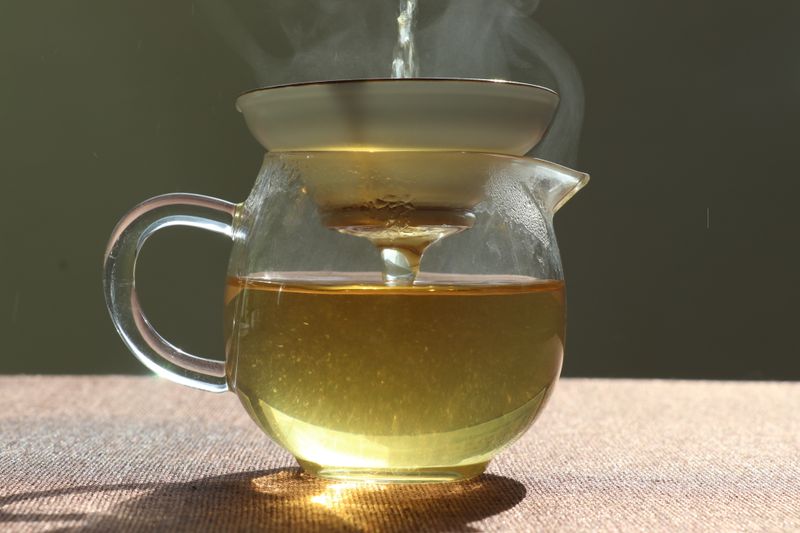
The Tea Seasons of Tieguanyin, Gaining More Knowledge
Anxi Tieguanyin is categorized by season into Spring Tea, Summer Tea, Summer-Heat Tea, Autumn Tea, and Winter Tea. The quality of the finished tea is best in spring and autumn, commonly described as 'Spring Water, Autumn Fragrance.' Spring tea is known for its excellent liquor, durability in brewing...
Tea News · Apr 17, 2026
What Tea Is Suitable for Diabetics to Drink
For individuals with diabetes, dietary choices are crucial for managing blood sugar levels. Certain teas can be beneficial as part of a healthy lifestyle. Green tea contains catechins which may help slow sugar absorption and prevent vascular oxidation. Black tea is rich in polyphenols that may aid i...
Tea News · Apr 17, 2026

Can Liver Disease Patients Drink Tea? Jasmine Tea is the Best for Clearing the Liver
Tea drinking is a popular health practice, but is it suitable for individuals with liver disease? Patients with liver conditions can indeed drink tea, as it aids in clearing the liver and improving eyesight. Specific types like Jasmine Tea, Chrysanthemum Tea, and Pu'er Tea are particularly beneficia...
Tea News · Apr 17, 2026
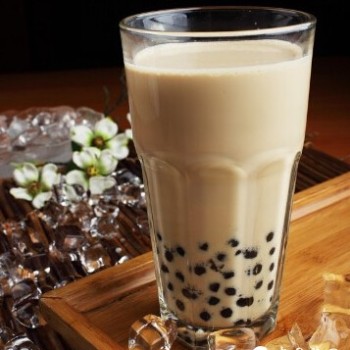
Homemade Bubble Tea Method is Surprisingly Simple
Making bubble tea at home is much easier than you might think. With just a few basic ingredients like black tea bags, tapioca pearls (black pearls , pure milk, and sugar, you can create your own delicious drink. The process involves boiling the tapioca pearls until they float, brewing strong black t...
Tea News · Apr 17, 2026

Introduction to Tea Formulas for Treating Toothache
Tea has many functions, such as beauty, weight loss, and lowering blood pressure, but few people know that tea can also treat toothache. This article introduces several tea-based formulas for relieving tooth pain. These include chewing green tea for its analgesic effect, decocting tea tree roots wit...
Tea News · Apr 17, 2026
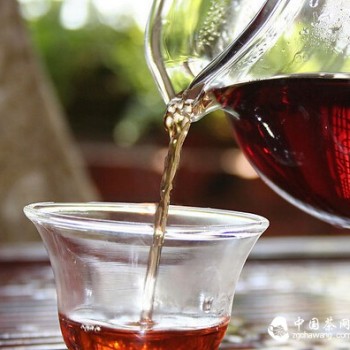
5 Points Women Should Pay Attention to When Drinking Pu-erh Tea
Pu-erh tea is known for its weight loss benefits, making it popular among women. However, there are several important precautions women should consider when consuming it. Firstly, during menstruation, drinking Pu-erh tea may hinder iron absorption. Secondly, pregnant women should avoid it as it may...
Tea News · Apr 17, 2026

Four Major Beauty Benefits of Green Tea, Did You Know?
Green tea has become one of the most popular skincare beverages among women. It offers several key beauty benefits. Firstly, it helps delay aging, as the tea polyphenols in green tea possess strong antioxidant properties and act as scavengers of free radicals in the human body. Secondly, it aids in...
Tea News · Apr 17, 2026
Simple Explanation of the Benefits and Side Effects of Drinking Strong Tea
Drinking strong tea, which is brewed with more tea leaves than usual, offers certain benefits such as clearing heat, detoxifying, aiding digestion, enhancing memory, and providing a mental boost. It can help counteract the effects of alcohol and greasy foods, and has anti-inflammatory properties for...
Tea News · Apr 17, 2026

Formation of the 'Rock Rhythm' in Wuyi Rock Tea
The 'Rock Rhythm' is a unique and defining characteristic of high-quality Wuyi Rock Tea, serving as a specialized term to evaluate its grade. Its formation is influenced by multiple factors, including the specific microclimate and mineral-rich volcanic gravel soil of the Wuyi Mountain region, partic...
Tea News · Apr 17, 2026