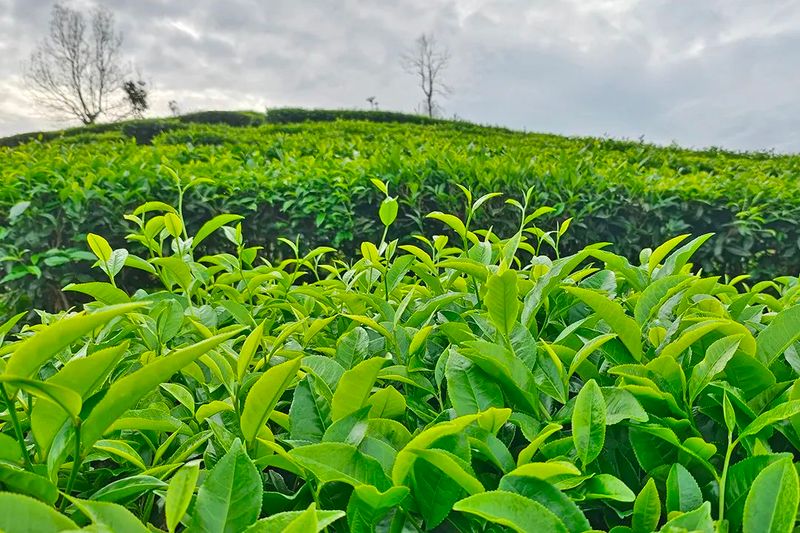
Shangrao Wuyuan Maojian Tea
Wuyuan Maojian has consistently been regarded as the finest among Wuyuan green teas. It is primarily made from tender leaves of the tea plant, undergoing deep processing and hand-frying to be meticulously crafted. As the tender leaves are covered with fine hairs, after being fried into green tea, th...
Tea News · Jan 02, 2026
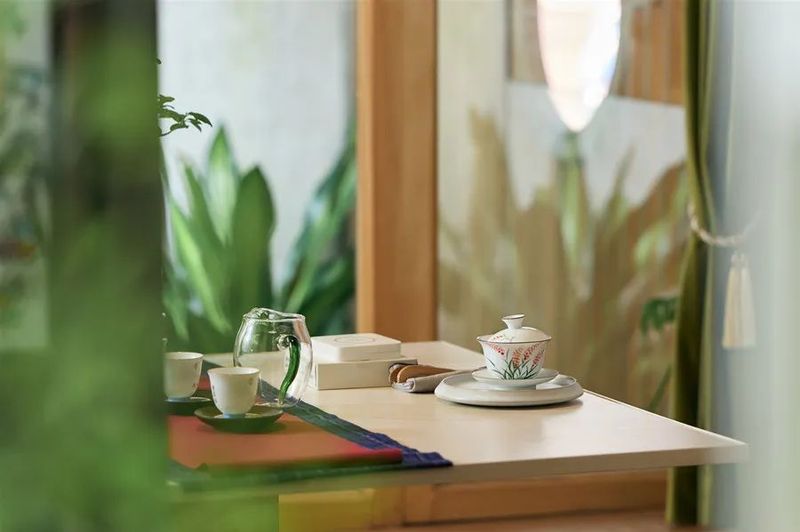
Brief Introduction to Narcissus Tea Knowledge
Narcissus tea is one of China's fine tea varieties and a gem among Fujian's oolong teas. Its leaves are characterized by thick stems, long internodes, broad and fleshy leaves, high moisture content, and slow water loss. Originally from northern Fujian, this tea tree has existed for over a thousand y...
Tea News · Dec 30, 2025
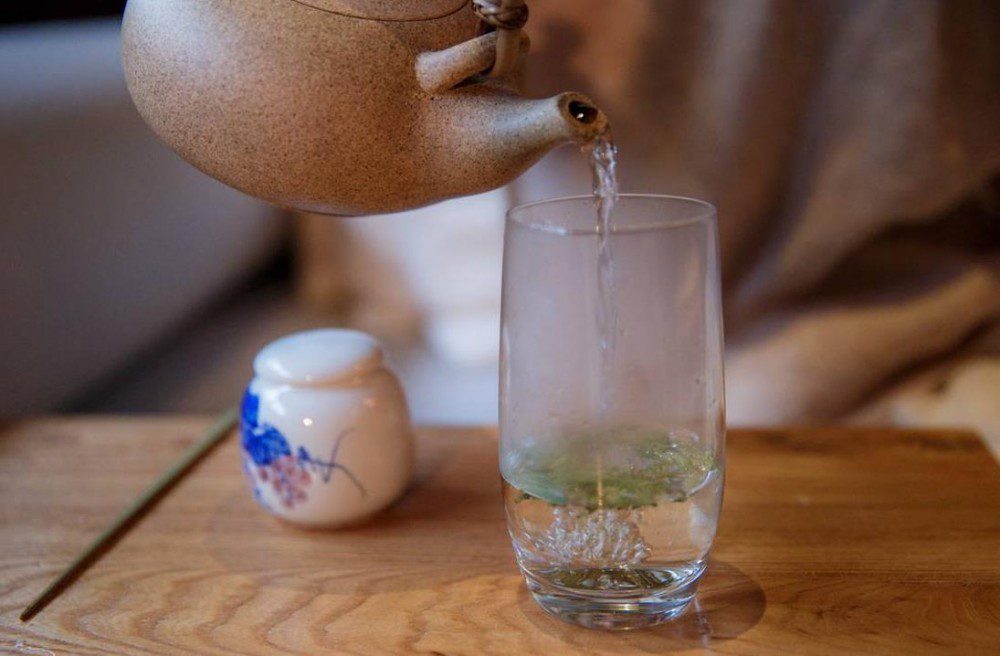
Tianhu Green Snow Tea from Taimu Mountain in Fujian
Green Snow Sprout tea, originating from Taimu Mountain in Fujian, is a precious white tea with a long history. Legend traces it back to the mythical 'Tai Mu Niangniang' (Grandmother Tai , who used tea leaves from a wild 'Green Snow Sprout' plant to cure a measles epidemic. This ancient tea is consid...
Tea News · Dec 30, 2025
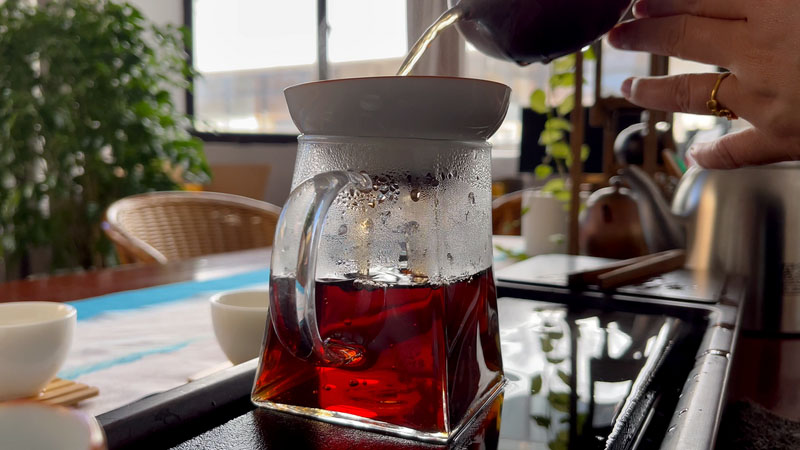
A Brief Introduction to Shou Mei Tea
Shou Mei tea, a type of white tea, is primarily produced in Jianyang County, Fujian Province, with significant production also in neighboring areas like Jian'ou and Pucheng. Its name derives from the tea leaves' resemblance to the eyebrows of a long-lived elder. High-quality Shou Mei is characterize...
Tea News · Dec 29, 2025
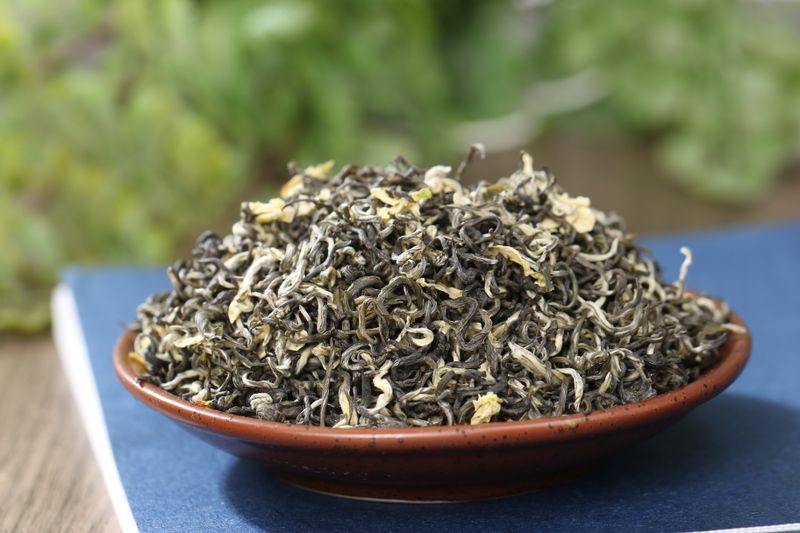
The Origin of Pengfeng Tea
Pengfeng Tea, also known as 'Oriental Beauty Tea' or 'Baihao Oolong,' is a premium Taiwanese oolong with a legendary origin. During the Japanese colonial period, a tea farmer from Beipu sold his entire exhibition stock at an astonishingly high price, leading locals to dismiss the news as 'pengfeng'...
Tea News · Dec 28, 2025
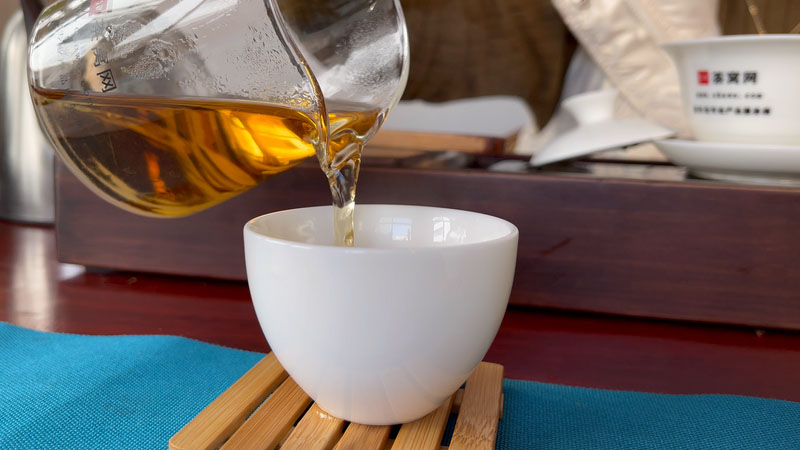
Introduction to the Medicinal Value of Anxi Tieguanyin
Tieguanyin tea is not only a naturally delicious beverage with a rich aroma and mellow taste but also excels among teas in its health and wellness functions. Modern medical research indicates that Tieguanyin possesses various health benefits beyond those of ordinary teas, including anti-aging, anti-...
Tea News · Dec 28, 2025
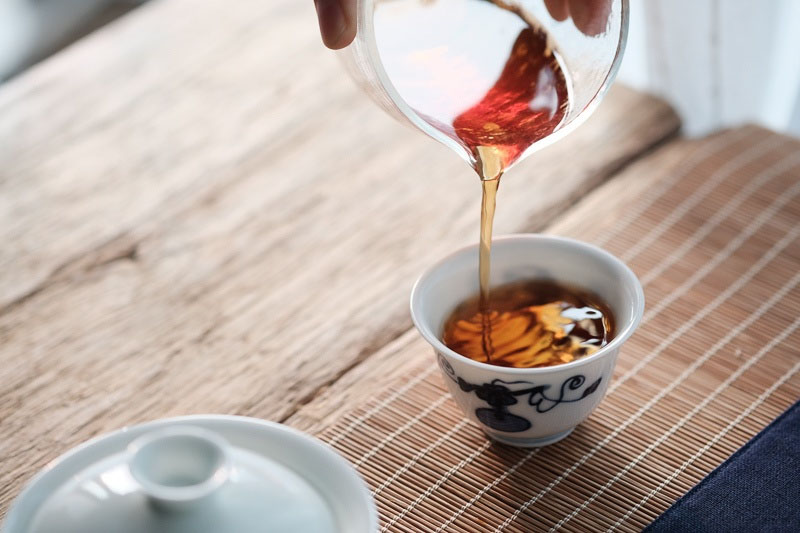
Hunan: Dark Tea Becomes More Fragrant with Age
Dark tea, a post-fermented tea made from steamed and compressed green tea, gains its unique value and flavor through aging. The secret lies in the 'golden flowers'—a type of beneficial fungus called Eurotium cristatum that grows during fermentation. This fungus not only transforms the tea's aroma by...
Tea News · Dec 27, 2025
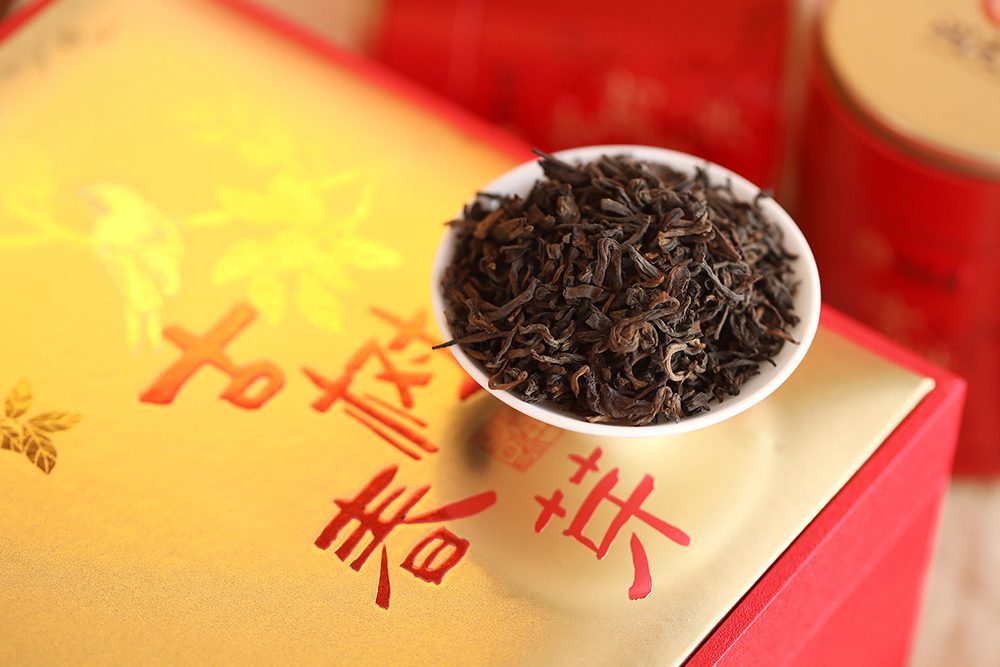
The Origin of British Tea Culture
British tea culture has deep royal origins, famously initiated by Catherine of Braganza, the Portuguese princess who married King Charles II in 1662. Her dowry included precious Chinese tea and tea sets, setting a trend among the aristocracy. Tea became widely popular across Britain after the discov...
Tea News · Dec 26, 2025
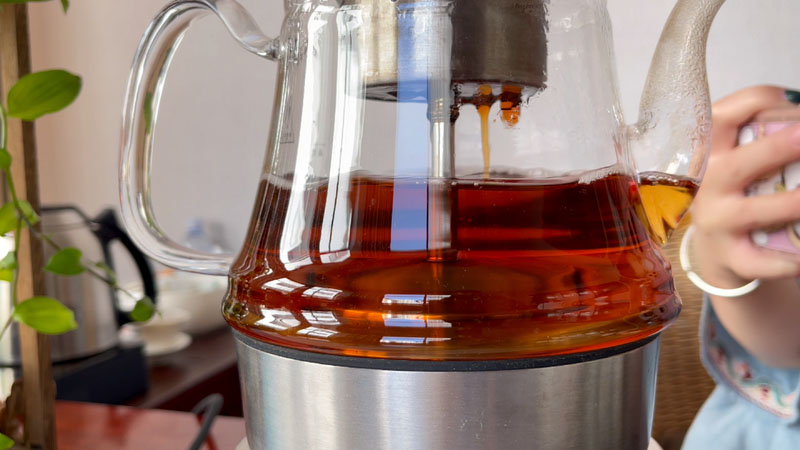
Introduction to Gougunao Tea
Gougunao Tea is one of the precious famous teas of Jiangxi, produced on Gougunao Mountain in Tanghu Township, Suichuan County, at the southern foothills of the Luoxiao Mountains. This tea is distinctly different from others: its leaves are fine and even, a jade green tinged with dark green, covered...
Tea News · Dec 25, 2025
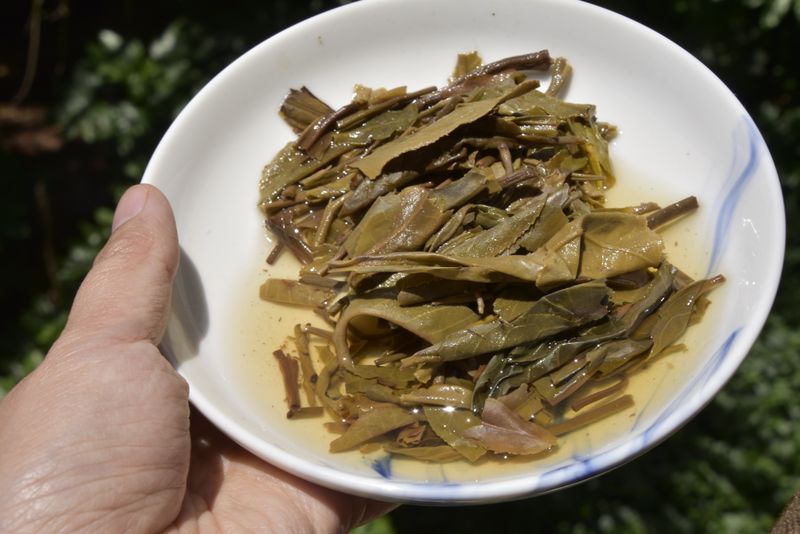
Introduction to Meijiang Cuipian Tea
Meijiang Cuipian Tea, originally named Meijiang Tea, derives its name from its origin along the banks of the Meijiang River. Created in 1943, it boasts a history of over 60 years and is a renowned flat-shaped tea from Guizhou Province. Primarily sold in Guiyang and Zunyi, it also reaches markets in...
Tea News · Dec 24, 2025