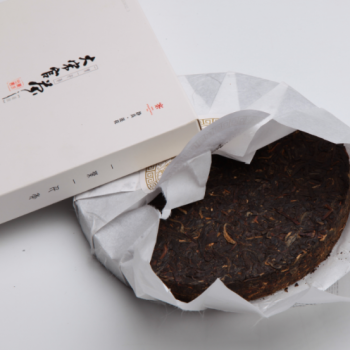
Black Tea Health: Drinking Black Tea Regularly to Enjoy "Tea Longevity"
The concept of "Tea Longevity" originates from a folk legend about Chinese character creation, suggesting that while a "Rice" character symbolizes living to 88, adding components to form the "Tea" character represents living to 108. China, as the homeland and a major producer of tea, possesses uniqu...
Tea News · Jan 07, 2026
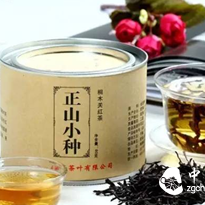
Water Temperature is Crucial When Brewing Lapsang Souchong
Lapsang Souchong is a Chinese black tea smoked with pine needles or pine wood, giving it a strong aroma. Due to the smoking process, the leaves appear black but yield a deep red liquor. As one of the oldest black teas, mastering the water temperature for brewing Lapsang Souchong is essential, as inc...
Tea News · Jan 07, 2026
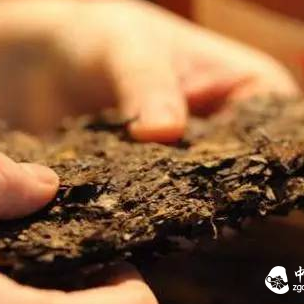
Unveiling the Mystery of "Tibetan Tea"
Tibetan tea is the originator of Chinese dark tea. Its production process is extremely complex, and due to continuous fermentation, it holds significant collection value, being the tea variety with the highest collection worth among ancient tea types. It is made from mature tea leaves and red moss h...
Tea News · Jan 06, 2026
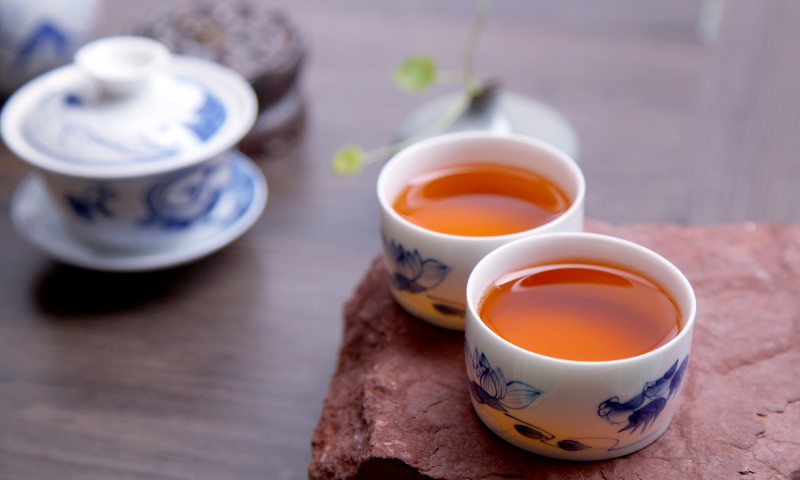
Comprehensive Summary of the Benefits of Drinking Tea
Drinking tea offers numerous health benefits, primarily due to its rich content of beneficial compounds like tea polyphenols. These benefits include preventing dental caries by up to 60% in children, enhancing mental alertness and memory, combating fatigue, and promoting healthy metabolism. Tea also...
Tea News · Jan 05, 2026

Not Suitable for Drinking: Smoky, Burnt, and Moldy Tea
Research indicates that heavily smoky or burnt tea, like other charred foods, can produce '3,4-Benzopyrene', a carcinogen. Accumulation in the body may increase cancer risk, making such tea unsafe. Slightly smoky tea stored for a period may lose its odor; if tested and found within safe limits for t...
Tea News · Jan 05, 2026
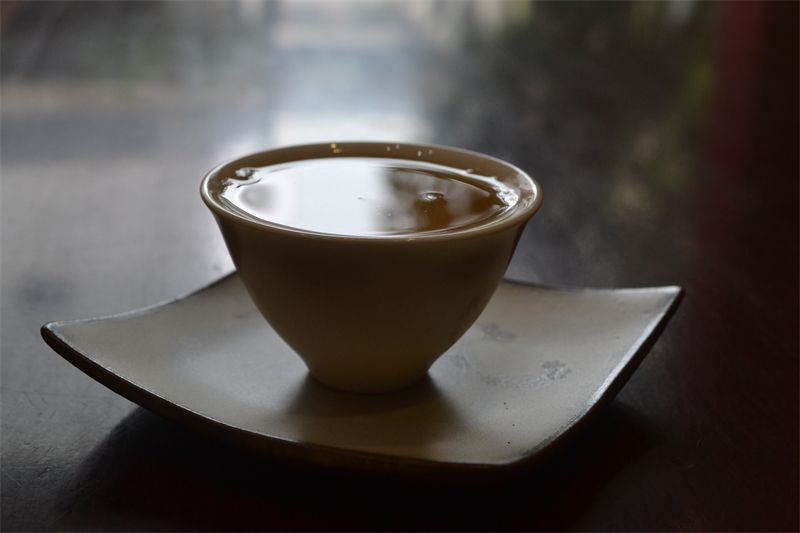
Summer Mosquito Repellent Tips
During the hot summer, people often seek coolness by taking evening walks outdoors, but mosquito bites can cause discomfort. This article offers several natural and practical methods to repel mosquitoes. Suggestions include using evening primrose, mint leaves, or dried tea leaves as natural repellen...
Tea News · Jan 04, 2026
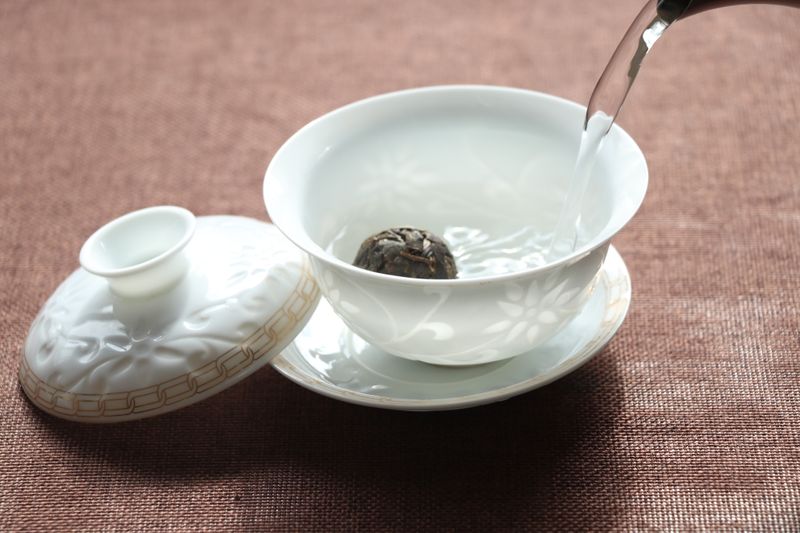
Tea Cuisine: Clear Tea Kung Fu Pigeon Soup
When it comes to tea-infused dishes, many immediately think of Hangzhou's famous 'Longjing Shrimp'. This renowned dish not only preserves the tender color and fresh flavor of Hangzhou's river shrimp but also embodies the 'fragrant aroma and sweet taste' characteristics of Longjing tea, making it a t...
Tea News · Jan 04, 2026
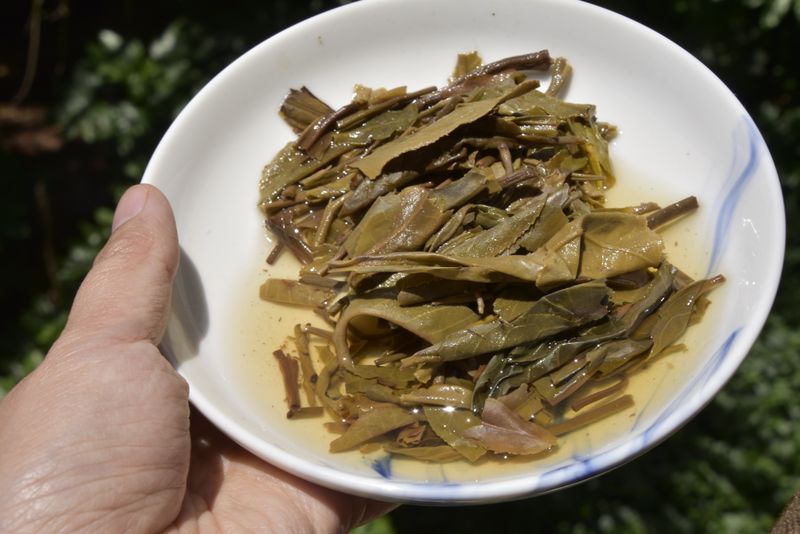
Introduction to Baiya Qilan Tea
Baiya Qilan Tea is a premium oolong tea variety originating from the Daqin Mountain foothills in Pinghe County, Fujian Province, particularly in areas like Qiling and Jiufeng. It is renowned for its distinctive orchid-like aroma, refreshing and mellow taste, and prominent varietal fragrance. Develop...
Tea News · Jan 03, 2026
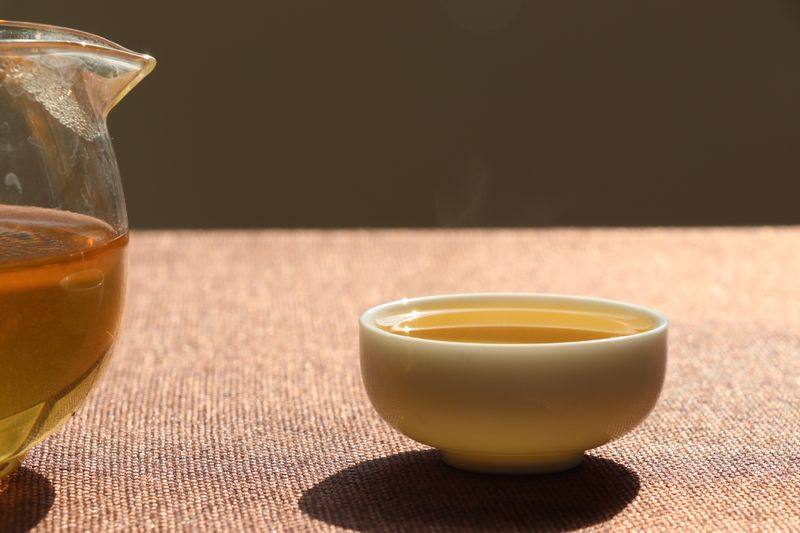
Burning Tea Leaves is Effective in Repelling Mosquitoes
During summer when mosquitoes are abundant, the best way to prevent bites is to keep them out. Burning tea leaves is an effective and non-toxic method for repelling mosquitoes, while experts caution against the overuse of toxic mosquito coils. Dried leftover tea leaves can be ignited as incense, and...
Tea News · Jan 03, 2026
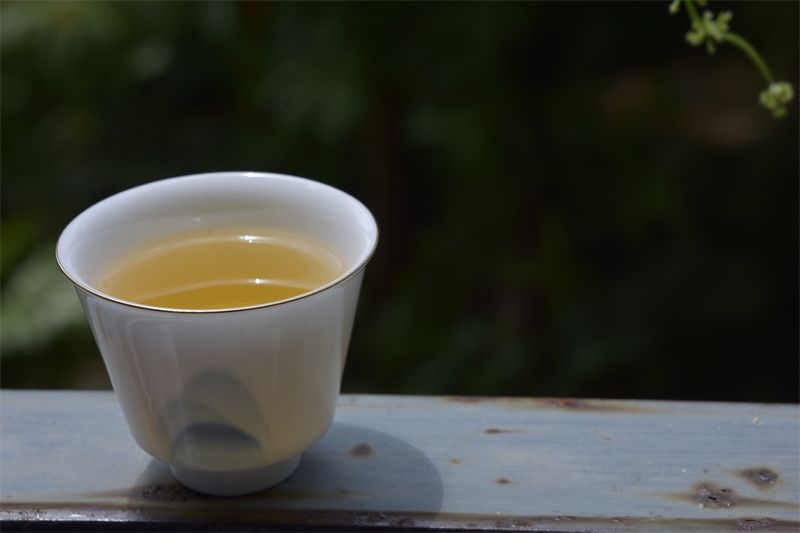
The Origin of Wuyi Rock Tea
Wuyi Rock Tea is produced in the Wuyi Mountain area of northern Fujian Province, China, and is considered the finest among Chinese Oolong teas, as well as one of China's Top Ten Famous Teas. The Wuyi Mountain region, renowned for its 'peerless beauty in southeast China,' features interconnected peak...
Tea News · Jan 02, 2026