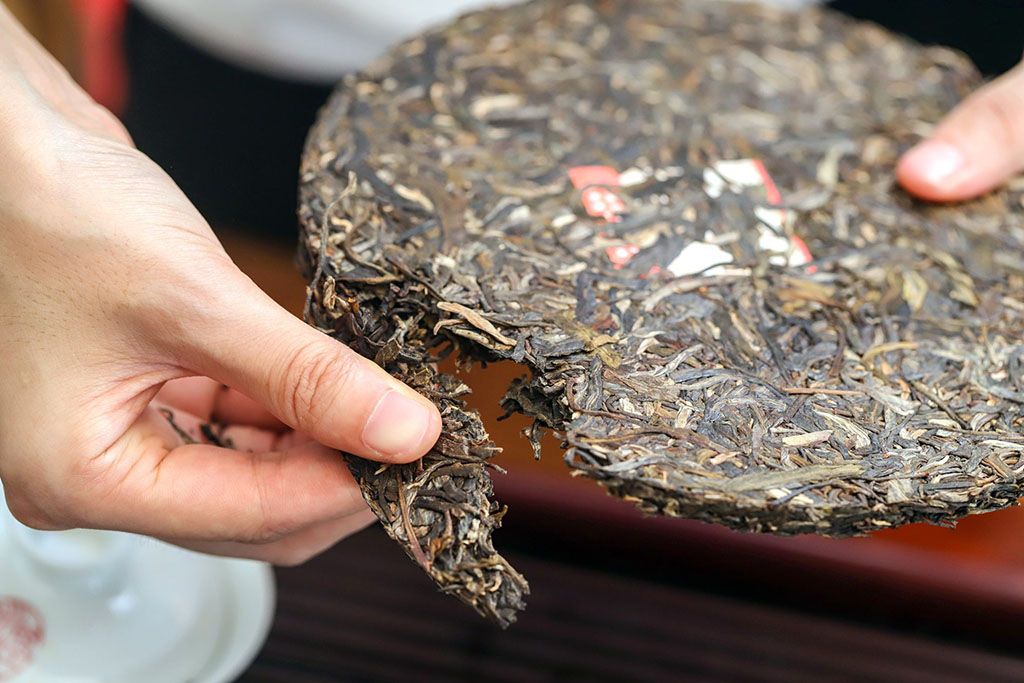
Introduction to Yang'ai Maofeng Tea
Yang'ai Maofeng is a famous green tea developed in 1960, produced at the Yang'ai Tea Plantation in the southwestern suburbs of Guiyang City. Its appearance is characterized by tender, even, tightly curled leaves covered in silvery fuzz, with a vibrant, green hue. The tea offers a rich, fragrant arom...
Tea News · Dec 24, 2025
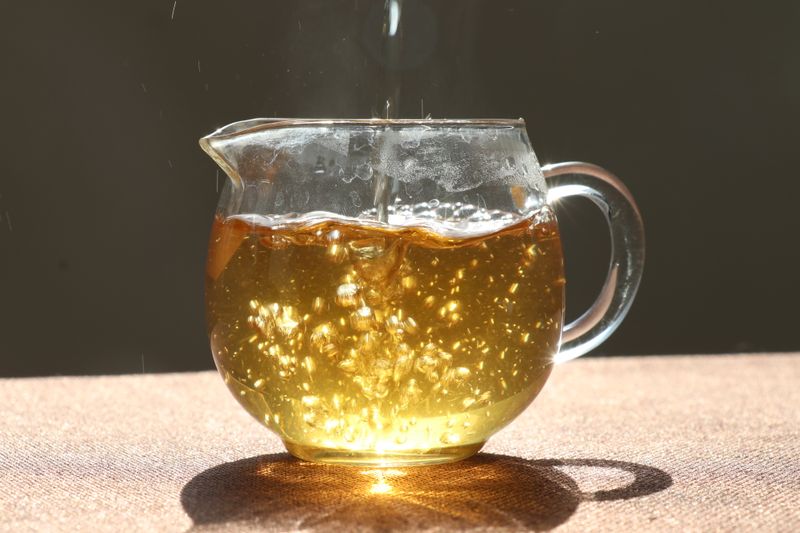
Black Tea Classified by Different Tea Colors
Black tea is made from the new buds and leaves of tea trees suitable for its production, through typical processes such as withering, rolling (cutting , fermentation, and drying. It is named for the predominant red hue of its dried leaves and the brewed tea soup. Initially called 'black tea' during...
Tea News · Dec 23, 2025
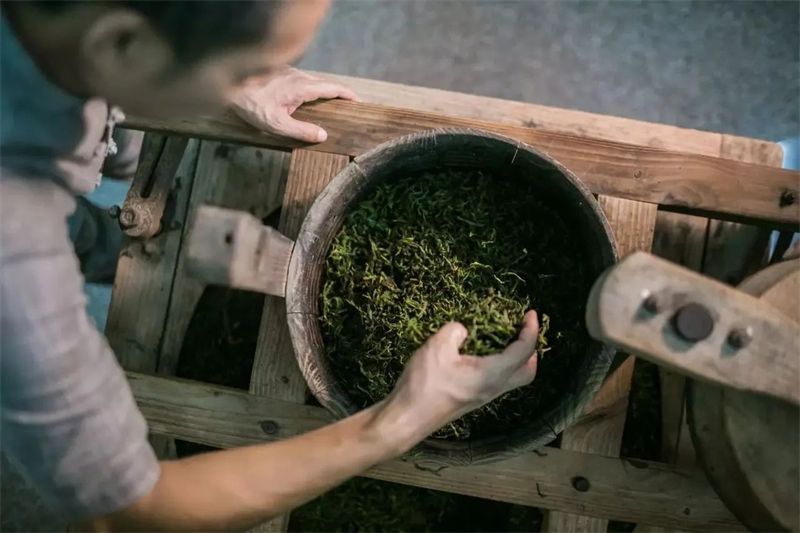
The "Alternative" Uses of Pu-erh Tea
Beyond its esteemed role as a beverage for contemplation and tranquility, Pu-erh tea possesses a variety of lesser-known, practical applications. These 'alternative' uses range from household helpers to personal care solutions. For instance, used tea leaves can be dried and repurposed as filling for...
Tea News · Dec 23, 2025
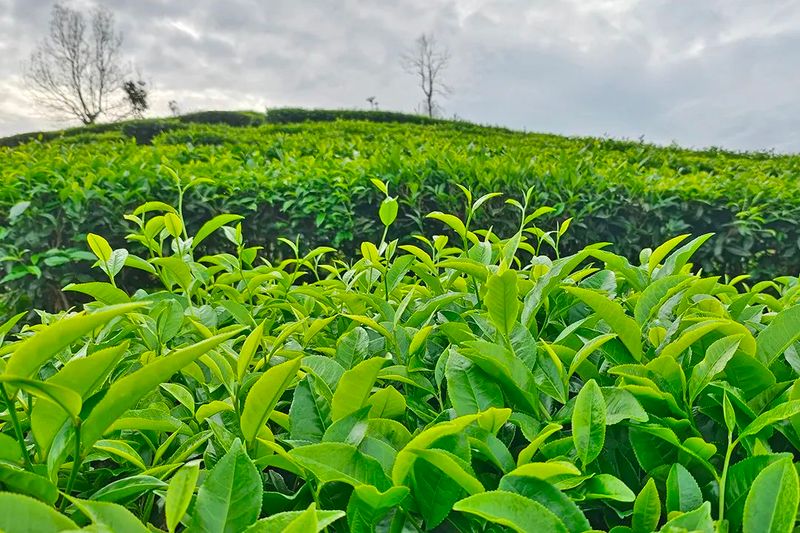
What Kind of Tea is Used to Make a Tea Pillow
Tea pillows are known for their beauty and health benefits, particularly appealing for their ability to combat bacteria that can cause skin issues like acne. The tea leaves inside the pillow contain special components that resist bacterial growth, while the pillow's breathable, moisture-proof fabric...
Tea News · Dec 22, 2025
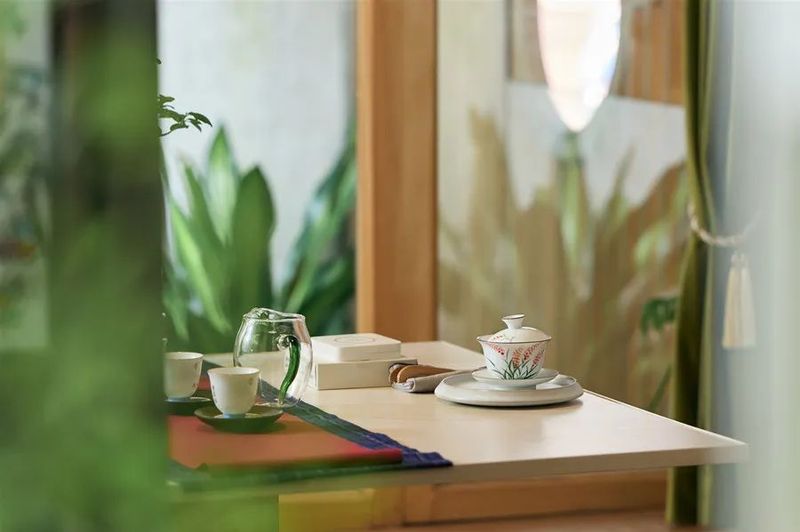
Several Tea-Based Delicacies Made from Tea Leaves
Tea leaves are not only for brewing but can also be used to create a variety of delicious foods. This article introduces several tea-based delicacies, including tea noodles made by mixing flour with concentrated tea infusion, resulting in non-sticky, refreshing noodles perfect for cold dishes. Tea s...
Tea News · Dec 20, 2025
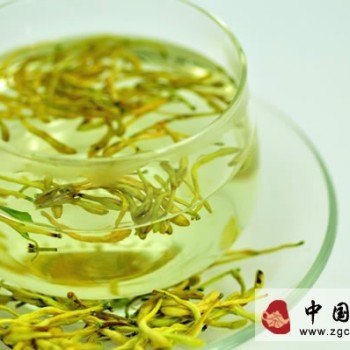
Introduction to Honeysuckle Tea
Honeysuckle tea, known for its sweet, cold nature and aromatic fragrance, is a traditional Chinese medicinal herb valued for clearing heat and detoxifying without harming the stomach. It contains essential trace elements, chemical components, and active enzymes that offer benefits such as anti-aging...
Tea News · Dec 20, 2025
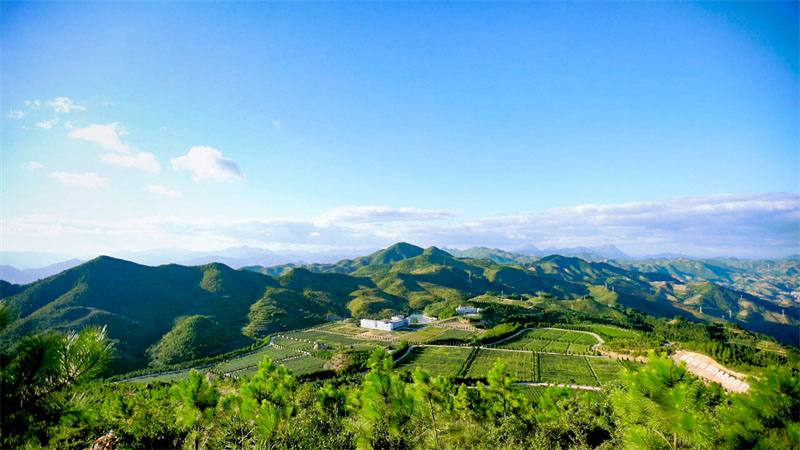
Drinking Sanming Genmaicha to Treat Insomnia
Genmaicha, a fragrant Japanese tea blend of roasted brown rice (genmai and green tea, is valued for its dual nutritional benefits and pleasant aroma. Traditionally consumed for its soothing properties, it is believed to help relieve stress, treat insomnia, and improve mental well-being. Rich in fib...
Tea News · Dec 19, 2025
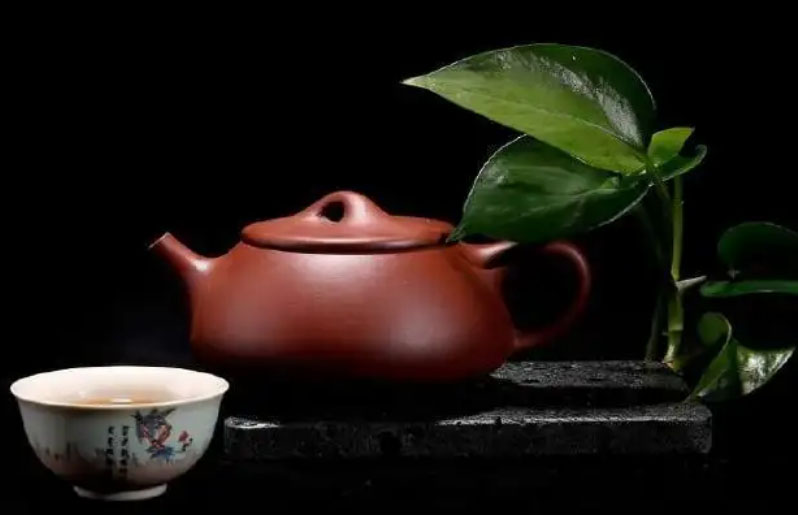
Tea Leaves: A Great Helper for Cleaning
In summer, many people enjoy drinking strong tea to reduce fat and lose weight. However, the used tea leaves after each brew don't need to be thrown away immediately. They can be repurposed for cleaning furniture, deodorizing, or nurturing plants and animals, making them a versatile household resour...
Tea News · Dec 19, 2025
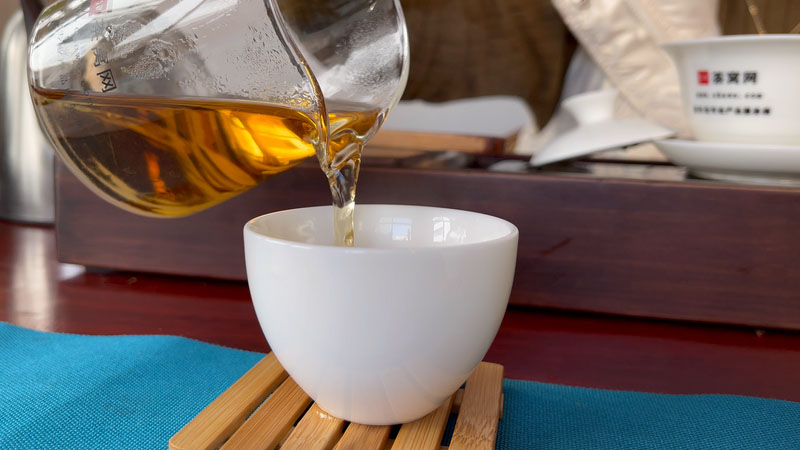
Distribution of Tea-Producing Areas in China
China has a tea garden area of 1.1 million hectares, with a vast distribution spanning 21 provinces and 967 counties. The tea-producing regions are broadly divided into four major areas: the Southwest Tea Region, South China Tea Region, Jiangnan Tea Region, and Jiangbei Tea Region. The Southwest Tea...
Tea News · Dec 17, 2025
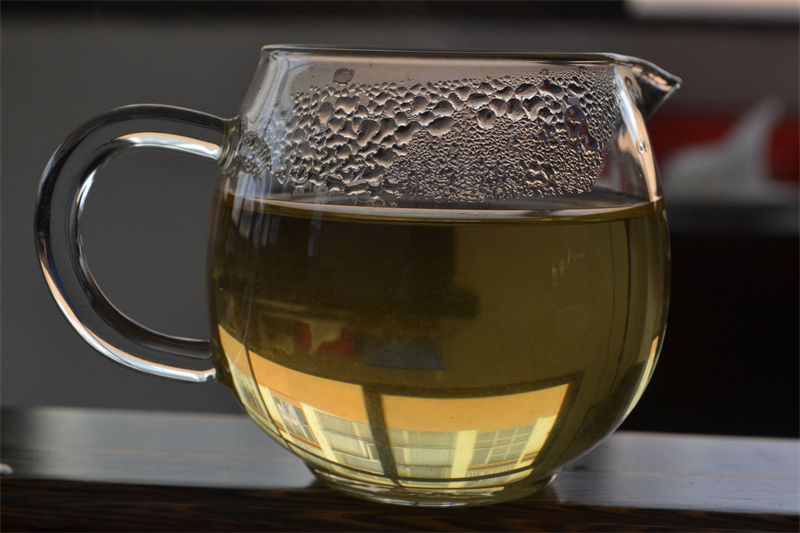
Introduction to Nanjing Yuhua Tea
Yuhua Tea is a specialty of Nanjing, named after the Yuhuatai area outside Zhonghua Gate. It is one of China's top ten famous teas. The tea leaves are tightly rolled, straight, and dark green, resembling pine needles with subtle white hairs. When brewed, the tea produces a clear, jade-green liquor w...
Tea News · Dec 17, 2025