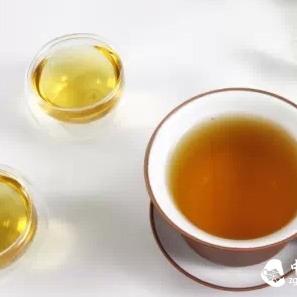
What kind of tea is Jin Jun Mei?
Jin Jun Mei is a premium variety of authentic Lapsang Souchong black tea, belonging to the black tea category. Its production process partially follows traditional Lapsang Souchong methods. During withering, the tea leaves turn from bright green to dark green, indicating maturity. Fermentation is th...
Tea News · Jan 15, 2026
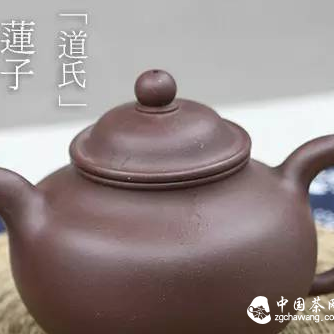
The Perfect Match of Tea and Canisters
For tea enthusiasts who enjoy purchasing and collecting various forms of tea such as tuo tea, loose-leaf tea, cake tea, and brick tea, proper storage is crucial to prevent spoilage and mold. This article introduces several types of tea canisters made from different materials, each with unique proper...
Tea News · Jan 13, 2026
The Most Beautiful Fairyland in the Hearts of Tea Masters
In the hearts of tea masters, the most beautiful scenery is not majestic peaks, misty clouds, or quaint bridges and plum blossoms, but the emerald green, flowing tea gardens. Gazing upon them fills one with a sense of vibrant life and pristine purity. A gentle breeze carries the faint sound of trick...
Tea News · Jan 12, 2026
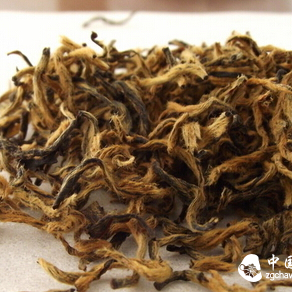
Why I Recommend You Drink Black Tea, You'll Understand After Reading!
This winter, I recommend drinking black tea for its health benefits. Black tea contains high levels of catechins, which help inhibit free radicals, resist viruses, and even suppress tumor growth. Studies show that black tea at 2%-5% concentration can kill cold germs. It also boasts stronger anti-agi...
Tea News · Jan 12, 2026
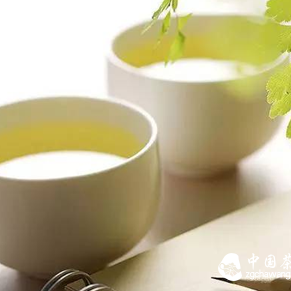
5 Foods Best Avoided When Drinking Tea
Drinking tea regularly not only promotes health and wellness but also helps prevent various diseases. However, there are certain considerations when consuming tea, as each type has its own unique properties and effects. It is important to be aware of potential conflicts between tea and certain foods...
Tea News · Jan 12, 2026
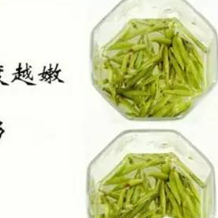
What is Tea Fuzz?
Tea fuzz, often called 'tea hairs' or 'pekoe,' refers to the tiny, fine hairs found on the buds and young leaves of tea plants. These hairs are rich in theanine, an amino acid that contributes to the tea's umami and sweet flavor. In many premium teas, such as high-grade green teas, white teas, and c...
Tea News · Jan 11, 2026
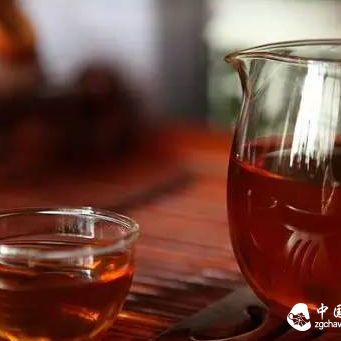
The Principle of Why Drinking Dark Tea is Suitable for High Meat Consumption
Dark tea is rich in nutrients, especially vitamins and minerals, making it an essential source for people in regions with diets high in meat and dairy but low in vegetables and fruits. It contains high levels of bioactive tea polysaccharides, which have proven health benefits such as lowering blood...
Tea News · Jan 09, 2026
Drinking Tea Should Be Moderate: How Much Tea Is Suitable to Drink Daily?
Drinking tea is a healthy practice, but moderation is essential. Excessive consumption, especially of strong tea, can negatively impact health. For most adults, it is recommended to consume 5-15 grams of dry tea leaves daily, brewed with 400-1500 milliliters of water, typically divided into 2-3 cups...
Tea News · Jan 08, 2026

A Few Basic Facts About White Tea
White tea is a type of tea made from young leaves and buds, characterized by minimal processing—typically involving only withering and drying—which preserves the fine white hairs on the leaves, giving it a silvery appearance. Major varieties include Silver Needle (Baihao Yinzhen , White Peony (Baimu...
Tea News · Jan 08, 2026
Enjoy a Cup of Cold-Brewed Tea on a Hot Summer Day
This summer, try a tradition-defying move—brewing tea with cold water. It might offer a completely new tea-tasting experience. Cold-brewed tea involves steeping tea leaves in cold water, a method颠覆traditional brewing. It's convenient for office workers, drivers, or hikers—simply add tea leaves to bo...
Tea News · Jan 08, 2026