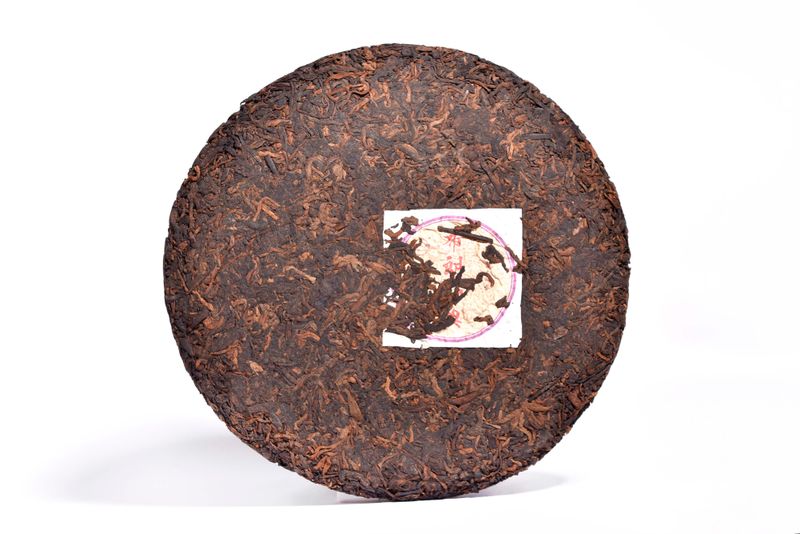
Which Variety of Green Tea is the Best
The question of which variety of green tea is the best may seem redundant to some, but for those less familiar with green tea, understanding the characteristics of different varieties is beneficial for both selecting and appreciating it. This article introduces what constitutes green tea and discuss...
Tea News · Jan 02, 2026
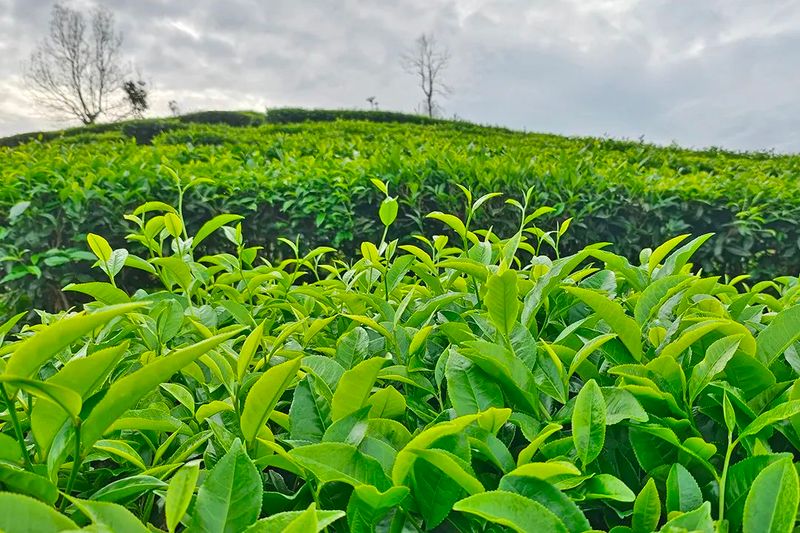
Shangrao Wuyuan Maojian Tea
Wuyuan Maojian has consistently been regarded as the finest among Wuyuan green teas. It is primarily made from tender leaves of the tea plant, undergoing deep processing and hand-frying to be meticulously crafted. As the tender leaves are covered with fine hairs, after being fried into green tea, th...
Tea News · Jan 02, 2026
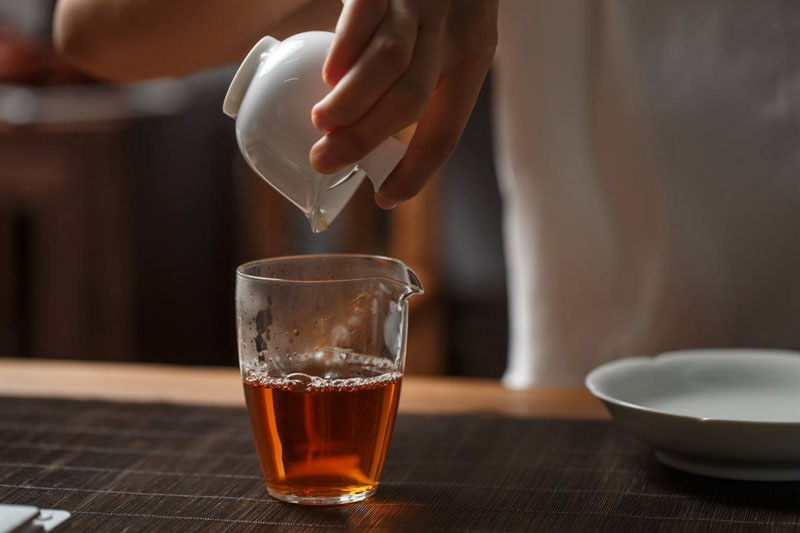
Which regions in China are major tea producers?
China boasts a long history of tea culture and numerous tea-producing regions, each with distinct varieties and processing techniques. The country is traditionally divided into four major tea zones: the Jiangbei (North of the Yangtze tea region, known primarily for green tea; the Jiangnan (South of...
Tea News · Jan 02, 2026
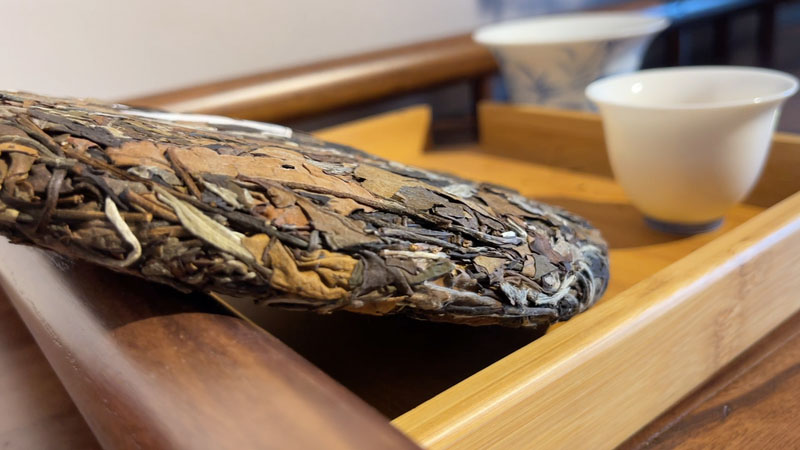
The Difference Between Jinxuan Tea and Oolong Tea
Jinxuan Tea is a famous tea produced in southern Taiwan, suitable for making Baozhong tea and Oolong tea. It is widely cultivated in Taiwan. Oolong tea combines the production methods of green tea and black tea, offering a quality between the two—possessing the rich flavor of black tea and the fresh...
Tea News · Dec 31, 2025
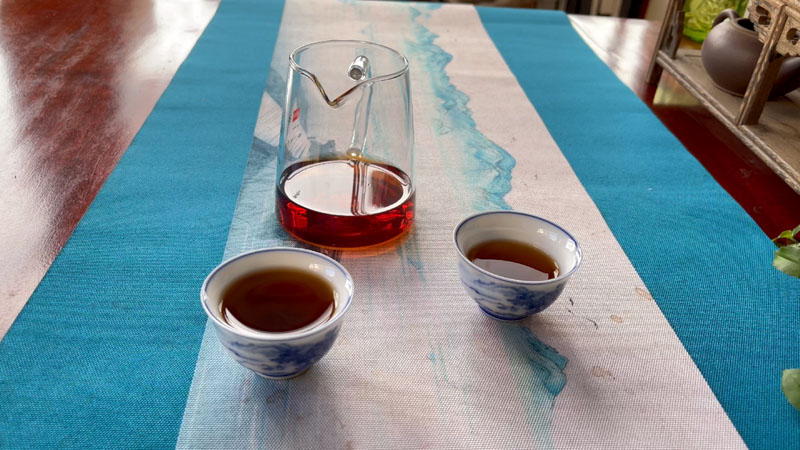
The "Green, Red, Black, and White" of the Six Major Tea Families
The world of tea is vast and diverse, traditionally categorized into six major families based on processing methods and characteristics: Green Tea, Black Tea, Oolong Tea (also known as Qingcha , White Tea, Yellow Tea, and Dark Tea. This color-coded classification, reminiscent of describing something...
Tea News · Dec 30, 2025
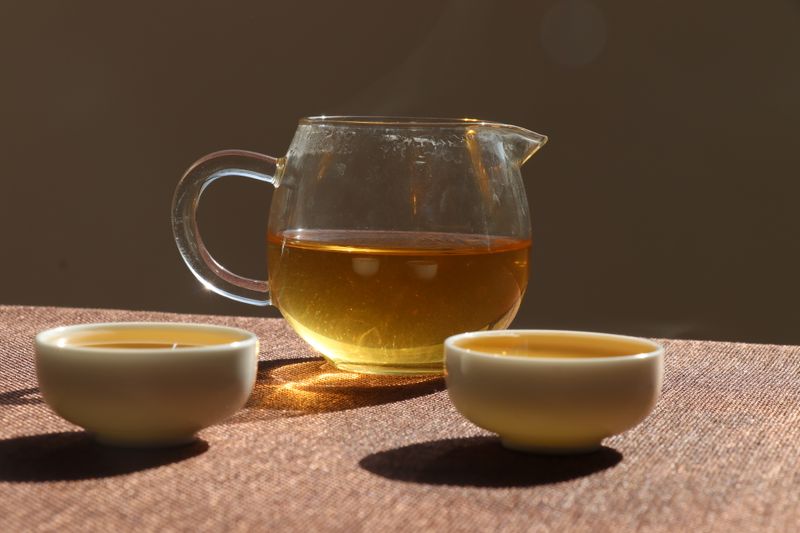
About the "Raw" and "Ripe" of Pu-erh Tea
Pu-erh tea is categorized into raw (sheng and ripe (shu types, primarily distinguished by the additional artificial pile-fermentation process that ripe Pu-erh undergoes. Raw Pu-erh (especially when young shares some characteristics with green tea, offering a fresh and brisk flavor profile, while...
Tea News · Dec 30, 2025
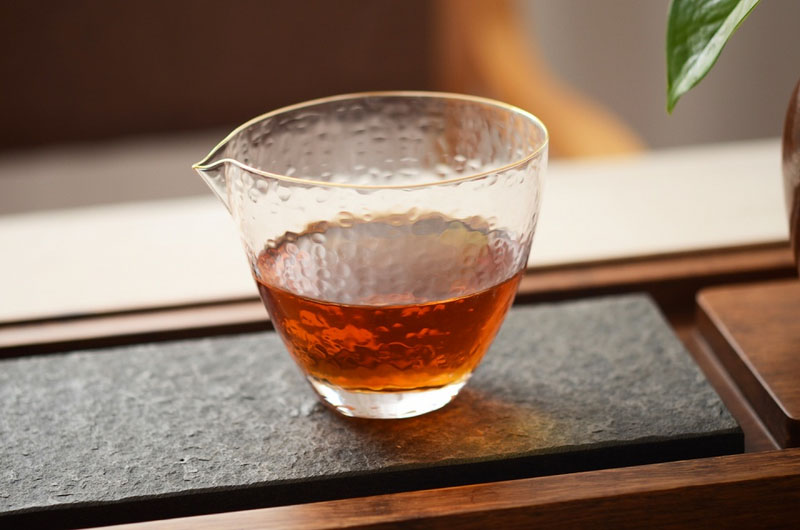
Drink Different Teas for Different Occasions, Constitutions, and Ages
In summer, many people enjoy drinking tea to cool off. However, it's important to choose the right tea for your specific situation, body type, and age to maximize health benefits and avoid discomfort. This article provides guidance on how to drink tea healthily. For instance, after drinking alcohol,...
Tea News · Dec 28, 2025
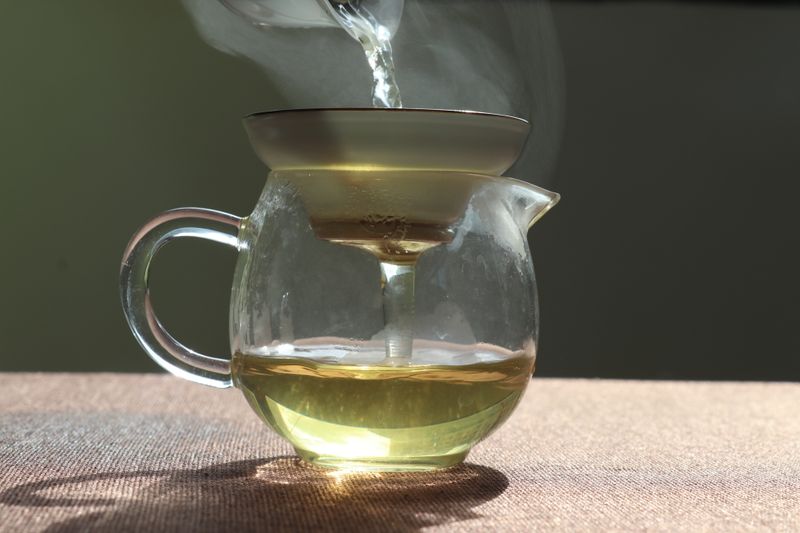
Harvesting and Processing Techniques of Pu-erh Tea
The harvesting and processing of Pu-erh tea involve intricate traditional methods that define its unique quality. Harvesting is conducted across four seasons—spring, summer, autumn, and winter—with spring tea, picked within 15 days after the Qingming Festival, considered the finest. The processing i...
Tea News · Dec 28, 2025
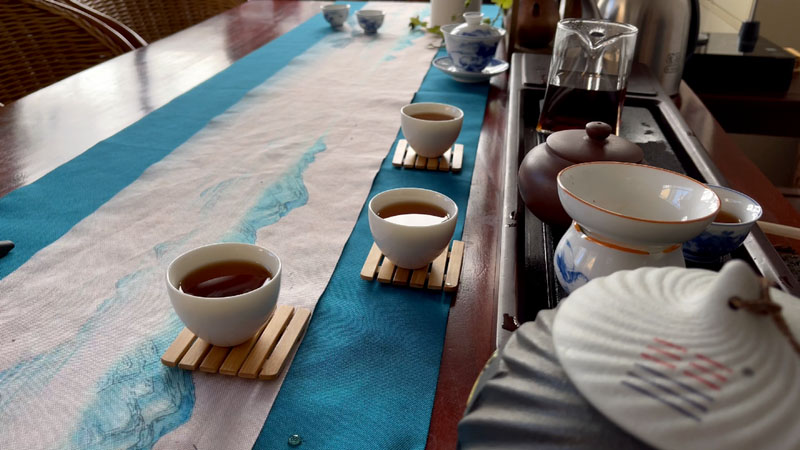
Six Major Tea Categories in China and Their Representative Products
China is a major producer and consumer of tea, with its vast varieties commonly classified into six major categories based on processing techniques: Green Tea, Black Tea, Oolong Tea (or 'Qingcha' , Dark Tea, White Tea, and Yellow Tea. Each category has distinct processing methods that define its fla...
Tea News · Dec 27, 2025
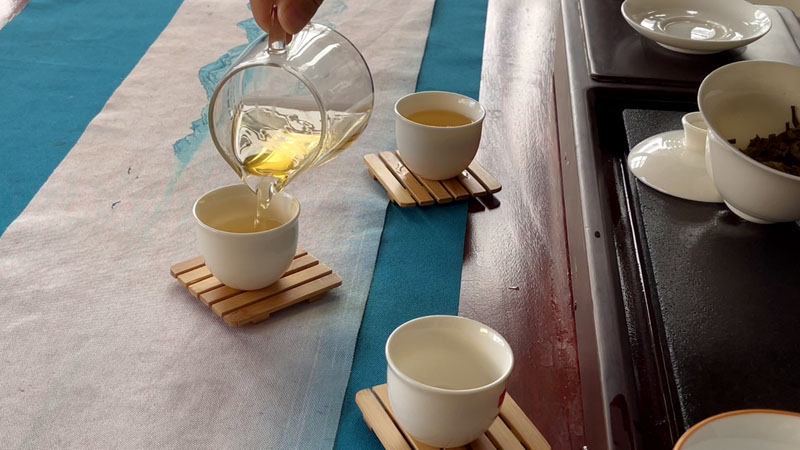
The Differences Between Oolong Tea, Tieguanyin, and Dongding Oolong
Oolong tea, also known as green tea, is a semi-fermented tea that combines the production methods of green tea and black tea, with qualities between the two. It is categorized into Northern Fujian Oolong, Southern Fujian Oolong, Guangdong Oolong, and Taiwanese Oolong. Tieguanyin originates from Anxi...
Tea News · Dec 26, 2025