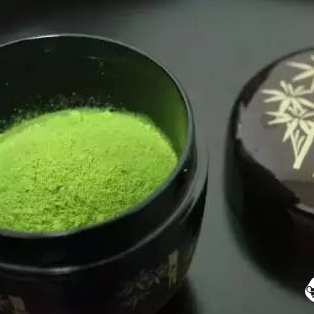
Matcha and Green Tea Powder Are Not the Same Thing!
Matcha and green tea powder are often confused, but they are fundamentally different. Authentic matcha involves a complex production process, including shade-growing tea leaves, steam fixation, and stone-grinding into an ultra-fine powder. It has a deep green color, a smooth, less bitter taste with...
Tea News · Jan 17, 2026
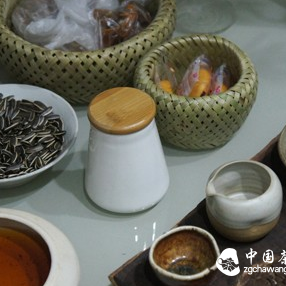
Is It Normal That Drinking Tea Actually Doesn't Quench Thirst?
Many tea enthusiasts experience a dry mouth after drinking tea. Is this normal, or does it indicate poor-quality tea? The sensation of dryness can stem from several non-pathological reasons. Firstly, tea contains polyphenols, which can form a film on the tongue, causing temporary dryness and astring...
Tea News · Jan 16, 2026
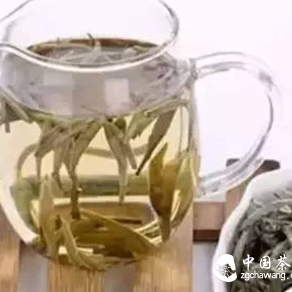
How to Drink Tea in Summer
Summer's high temperatures can bring discomfort, lethargy, and even heatstroke. Drinking tea can help combat these issues, but it's important to choose the right tea for your needs. White tea helps prevent heatstroke due to its cooling nature and amino acids. Black tea can refresh the mind and warm...
Tea News · Jan 14, 2026
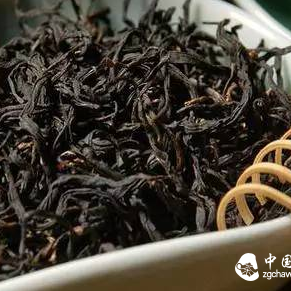
Introducing the Most 'Authentic' Black Tea
Lapsang Souchong, recognized as the world's earliest black tea and often called the 'originator of black tea,' boasts a history exceeding 400 years. This Chinese black tea, also known as Zhengshan Xiaozhong, is traditionally smoked over pine needles or pine wood, imparting an intensely aromatic flav...
Tea News · Jan 14, 2026
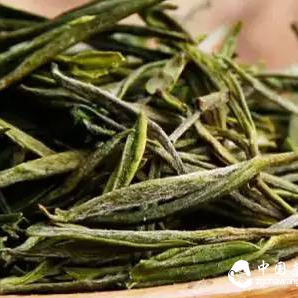
【Tea Exploration】Seeing the "True Face" of Anji White Tea
Despite its name, Anji White Tea is actually a type of green tea, not a white tea. This distinction comes from its processing method, which follows the green tea technique of 'fixation, rolling, and drying.' The name 'White Tea' refers to the unique white color of its tender leaves during a specific...
Tea News · Jan 14, 2026
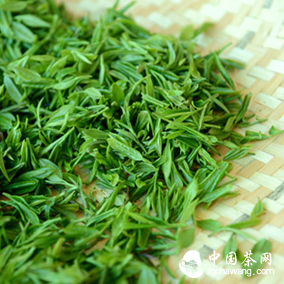
That Small Pinch of Fragrant Pre-Qingming Tea
Pre-Qingming tea refers to spring tea harvested before the Qingming Festival in southern China. Budding around the 'Awakening of Insects' and 'Spring Equinox' solar terms, it is picked before 'Qingming'. The leaves are tender, rich in aromatic and flavorful compounds, resulting in exceptional qualit...
Tea News · Jan 13, 2026
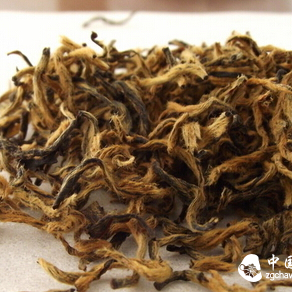
Why I Recommend You Drink Black Tea, You'll Understand After Reading!
This winter, I recommend drinking black tea for its health benefits. Black tea contains high levels of catechins, which help inhibit free radicals, resist viruses, and even suppress tumor growth. Studies show that black tea at 2%-5% concentration can kill cold germs. It also boasts stronger anti-agi...
Tea News · Jan 12, 2026
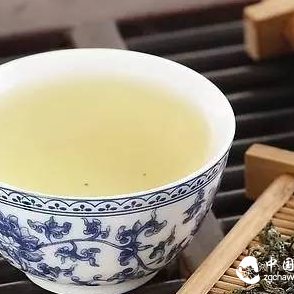
Summer Tea: More Than Just Green Tea
Summer is the perfect season to explore the diverse world of tea beyond the classic green tea. This article highlights several excellent choices for the hot season. While light, refreshing green tea is a traditional favorite for its cooling properties and heart-nourishing benefits, other options shi...
Tea News · Jan 12, 2026
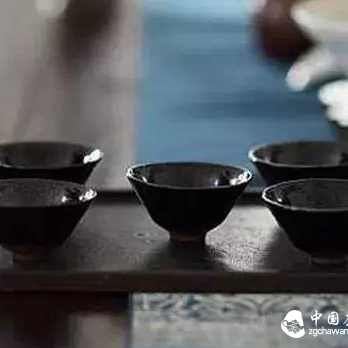
Washing Your Face with Tea Water Actually Has These Benefits.
Tea, nurtured by nature's essence, offers surprising benefits for skincare beyond consumption. Using tea-infused water or products for facial care can help brighten skin, reduce blemishes, and combat signs of aging due to its rich antioxidant content, particularly tea polyphenols. Methods include ap...
Tea News · Jan 12, 2026
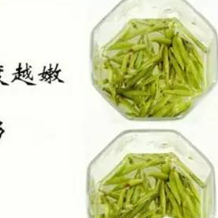
What is Tea Fuzz?
Tea fuzz, often called 'tea hairs' or 'pekoe,' refers to the tiny, fine hairs found on the buds and young leaves of tea plants. These hairs are rich in theanine, an amino acid that contributes to the tea's umami and sweet flavor. In many premium teas, such as high-grade green teas, white teas, and c...
Tea News · Jan 11, 2026