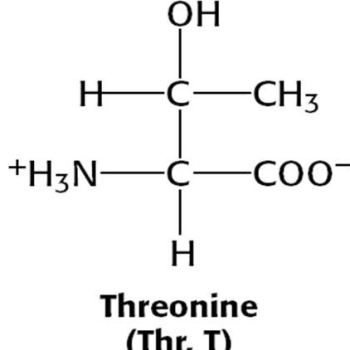
Why Some Teas Taste Good and Others Taste Bad, It's All Because of "Amino Acids" Playing Tricks!
The taste of tea is largely influenced by its amino acid content, which typically ranges from 1% to 4% in tea leaves. Amino acids, especially theanine which is almost unique to tea, contribute significantly to the fresh, sweet, and refreshing flavors in tea. Their presence and concentration affect t...
Tea News · Jan 27, 2026
Drinking Tea, the First Step to a Healthy Life
Drinking tea, once primarily for quenching thirst and wellness, remains cherished today for profound reasons. Tea contains trace elements like manganese, zinc, selenium, vitamins C, P, E, and polyphenols, which combat oxidative stress and may promote longevity—a benefit recognized since ancient time...
Tea News · Jan 25, 2026
Everyone Should Drink 3 Cups of Tea a Day
The article advocates drinking three cups of tea daily for health benefits, tailored to different times of day. In the morning, a light black tea after breakfast helps hydrate, cleanse the system, and improve circulation. During the afternoon, green or oolong tea can refresh the mind, reduce interna...
Tea News · Jan 25, 2026
How many cups of tea is appropriate to drink daily?
The article discusses the appropriate daily intake of tea and related health considerations. It recommends that for most people, especially the middle-aged and elderly, 4-5 cups of light tea per day is suitable. It warns against drinking tea that is too hot, as temperatures above 65°C can significan...
Tea News · Jan 25, 2026
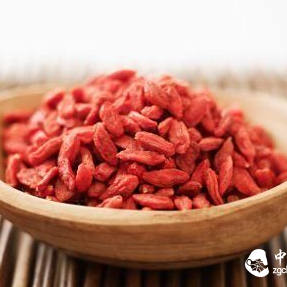
What are the benefits of commonly using goji berries to make tea? Unveiling the efficacy of goji berry tea.
Goji berries are convenient to consume and can be used in medicine, eaten directly, or soaked in wine. However, they are not suitable for those with external pathogenic heat, spleen deficiency with dampness, or diarrhea. We often brew goji berries in tea, but why do we do this? What are the benefits...
Tea News · Jan 23, 2026

Why Do We Say It's So "Bitter"?
The article explores why tea tastes bitter, especially to children who naturally prefer sweetness. The bitterness primarily comes from bitter-tasting compounds in tea leaves, such as alkaloids including caffeine, theobromine, theophylline, and others. These substances, particularly caffeine which co...
Tea News · Jan 23, 2026

Should You Drink Tea on an Empty Stomach in the Morning?
The article explores the common practice of drinking tea on an empty stomach in the morning, a habit many veteran tea enthusiasts swear by for its purported health benefits like 'cleansing the intestines'. It presents differing viewpoints from medical professionals and tea drinkers. While some docto...
Tea News · Jan 22, 2026
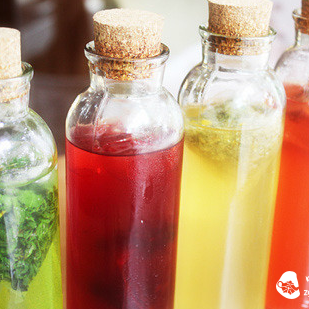
"Cold Brew Tea" Helps Lower Blood Sugar
Traditionally, people are accustomed to brewing tea with hot water, believing it best extracts the flavor and beneficial components. However, cold water brewing is equally effective. With patience, the tea's aroma and nutrients slowly infuse into the water. Cold brew tea involves steeping tea leaves...
Tea News · Jan 21, 2026
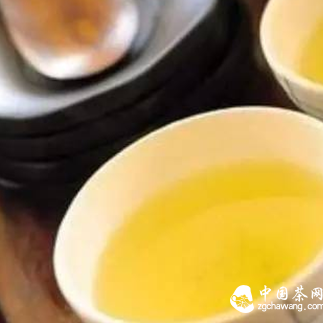
Correctly Understanding the Bitterness and Sweet Moistness of Tea
The saying 'tea without bitterness and astringency is not tea' reflects that these qualities are inherent to tea, historically called 'bitter tea.' However, tea appreciation focuses not on the bitterness itself but on the subsequent sensations of returning sweetness (回甘 and salivation (生津 that the...
Tea News · Jan 21, 2026
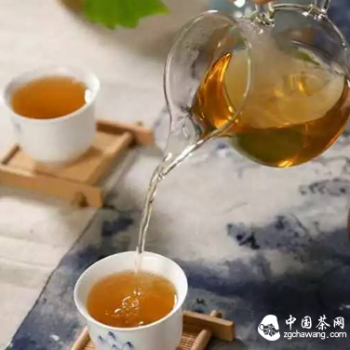
Drink for Health: Pair Different Types of Tea with Different Tea Sets!
Drinking tea is a healthy habit, especially in dry weather, as it hydrates the body, refreshes the mind, and offers numerous health benefits. However, using the right teaware is crucial for bringing out the best in each tea. This article explores the importance of matching tea types with appropriate...
Tea News · Jan 20, 2026