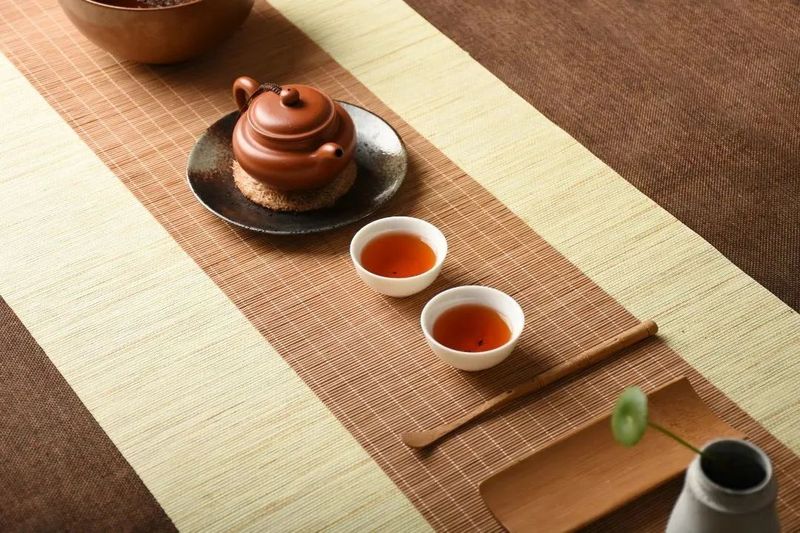
Introduction to the Processing and Characteristics of Pu'er Tea
Pu'er tea is unique among Chinese teas, distinct from the traditional six tea categories. It includes raw tea (made from sun-dried green tea of large-leaf Yunnan varieties and ripe tea (processed through post-fermentation . Known for its mellow taste, durability in brewing, and aged aroma, Pu'er te...
Tea News · May 15, 2026
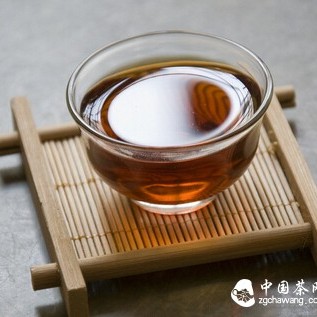
"Black Spots" in Pu'er Tea Liquor
During the brewing of Pu'er tea, you may notice some "black spots" in the tea liquor. These spots primarily result from the kill-green process, especially when using traditional iron woks or small-scale machines. Factors such as uneven stirring or dry leaves falling into the wok can cause partial ch...
Tea News · May 14, 2026
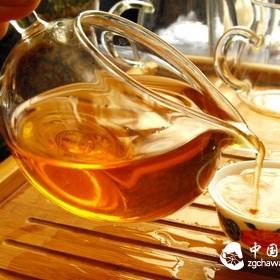
How to Determine the Age of Pu'er Tea?
The age of Pu'er tea can be identified from several aspects: observing the appearance of the tea leaves, where new tea has a fresh color and white down, while aged tea turns date-red with yellow-brown down; examining the packaging paper, which becomes yellowed and aged over time; and understanding t...
Tea News · May 14, 2026
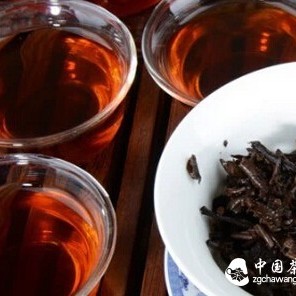
The "Three Flavors" of Pu'er Tea
Pu'er tea commonly presents flavors such as sweetness, bitterness, astringency, sourness, wateriness, and tastelessness. Sweetness is the most sought-after by tea enthusiasts, while bitterness and astringency are inherent to tea itself. Aged tea lovers often appreciate moderate bitterness and astrin...
Tea News · May 12, 2026
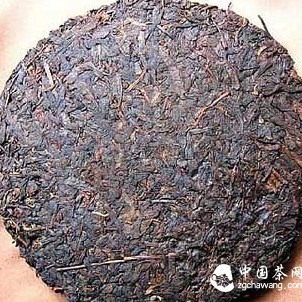
The Origin of Pu'er Seven-Cake Tea (Qizi Bing)
The Seven-Cake Tea, or Qizi Bing, is the most iconic form of Pu'er tea. Traditionally each cake weighs 357 grams, with seven cakes packed in a bamboo shell. Its origin is linked to historical trade, convenient transport by horse caravans, and the auspicious meaning of the number seven in Yunnan mino...
Tea News · May 12, 2026
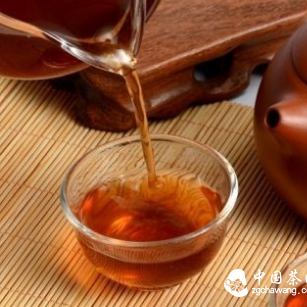
What Kind of Stomach Needs Pu'er Tea More
This article explores seven types of stomach conditions commonly seen in modern lifestyles—such as those caused by smoking, excessive soup consumption, junk food, alcohol,熬夜, stress, or a combination of factors—and suggests that drinking Pu'er ripe tea can help alleviate these issues due to its redu...
Tea News · May 12, 2026
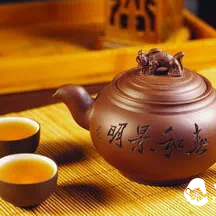
Can Diabetics Drink Pu'er Tea?
Research shows that Pu'er tea can inhibit enzymes related to diabetes by over 90%. In animal experiments, diabetic rats that drank Pu'er tea continuously for 42 days saw a 42% drop in blood sugar, outperforming the 36% drop from the oral diabetes drug rosiglitazone. Over an 11-month period, all diab...
Tea News · May 11, 2026
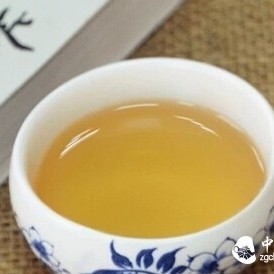
Why is Pu'er Tea Particularly Resistant to Multiple Infusions?
Pu'er tea is known for its endurance in multiple infusions, where the color and taste remain relatively stable over many brews. This characteristic is due to the rich nutrients accumulated in the leaves of ancient arbor tea trees, which release gradually during steeping....
Tea News · May 09, 2026
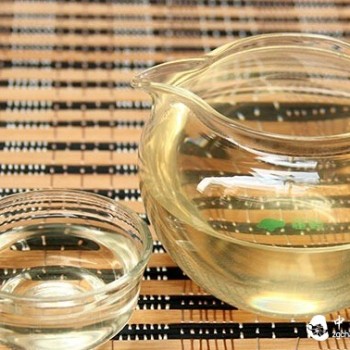
Main Pigment Substances in Pu'er Tea
The main pigment substances in Pu'er tea are theaflavin, thearubigin, and theabrownin, which are considered the primary water-soluble oxidation products of tea polyphenols. Theaflavin is the main component responsible for the brightness of the tea liquor; thearubigin gives the tea liquor its red col...
Tea News · May 08, 2026

Detailed Analysis of Pu'er Tea Tree Age
Pu'er tea is like life, and life is like Pu'er tea. The age of Pu'er tea trees can reach over a thousand years, far exceeding the human lifespan. From wild ancient trees over a thousand years old to modern terrace tea trees, each age group has distinct characteristics. The tea tree age not only affe...
Tea News · May 08, 2026