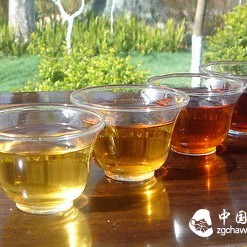
How to Eliminate the "Sour Taste" in Pu'er Tea
There are three main ways to eliminate the sour taste in Pu'er tea. The first is long-term natural storage in a dry environment, which usually takes 3 to 5 years. The second involves alternating between wet and dry storage to speed up the process, though it may reduce the tea's aged character. The t...
Tea News · May 27, 2026
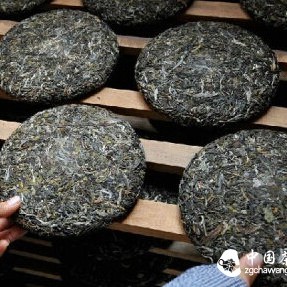
Want to Store Pu'er Tea Well? You Must Do This!
Pu'er tea storage requires careful separation: raw and ripe tea cakes should be stored separately, and loose tea follows the same rule. Choose a naturally ventilated location away from sunlight. For seven-cake bamboo-wrapped stacks, avoid plastic wrapping; keep the original bamboo leaves. Use cerami...
Tea News · May 26, 2026
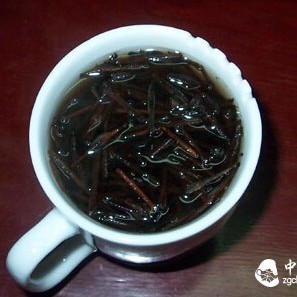
The Role of Tea Stems in the Quality of Pu'er Tea
Pu'er tea is known for its endurance in brewing, which is due to the rich nutrients accumulated in the leaves of arbor tea trees over hundreds or even thousands of years. Tea stems, often overlooked for their appearance, actually play a crucial role in tea quality. They contain high amounts of aroma...
Tea News · May 26, 2026
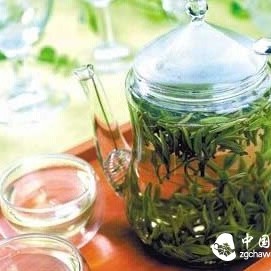
Drinking Oolong or Pu'er Tea in Early Winter Is More Beneficial for Health
In traditional Chinese medicine, early winter is considered dry and cool. At this time, the air gradually becomes dry, and people are prone to discomfort in the skin, nasal cavity, and throat. Oolong tea (Qing tea is green in color, rich in aroma, neither cold nor drying, and can help moisturize th...
Tea News · May 25, 2026
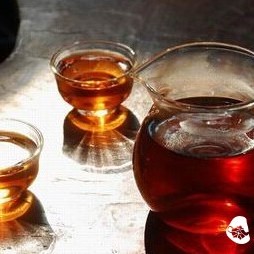
How Much Do You Know About the Secrets of Pu'er Tea?
Pu'er tea is known for its difficulty in releasing flavors, requiring boiling water for brewing. The first infusion is often discarded to remove impurities. It is best consumed half an hour after meals to avoid stomach irritation. The tea contains lipase that helps break down fat, making it effectiv...
Tea News · May 22, 2026
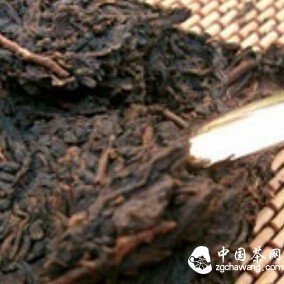
Are “Tea Insects” Good or Bad for Tea Itself?
Many people wonder whether small insects found on aged tea affect its quality. These are actually two types: small white “paper insects” that eat the packaging paper, and rare dark insects that feed on the tea leaves. Paper insects do not harm the tea itself, and can be removed by gently brushing th...
Tea News · May 21, 2026
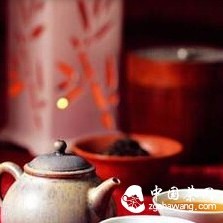
How Many Creative Ways to Drink Pu'er Tea Do You Know?
Chinese people have never limited tea drinking to plain consumption; instead, many complementary "ingredients" enhance both flavor and health benefits. Even Pu'er tea, a representative of "pure drinking," can be paired with various additions. For example, ripe Pu'er with honey is smooth and sweet, a...
Tea News · May 21, 2026
Why Does Pu'er Tea Have a Smoky Flavor?
Many people notice a smoky flavor when tasting certain Pu'er teas. This phenomenon can be caused by the tea's own characteristics or processing methods. Light smoky notes may fade over time and can even enhance the tea's quality, while strong, irritating smoky flavors often result from poor processi...
Tea News · May 20, 2026
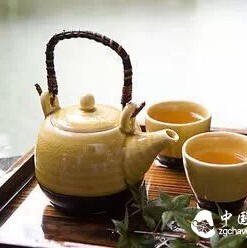
Standard Method of Drinking Pu'er Tea
Pu'er tea has a unique aroma and offers health benefits such as nourishing the stomach, detoxifying, reducing blood pressure, blood sugar, and blood lipids, as well as aiding weight loss and beautifying the skin. It is a type of Chinese tea, so there are certain considerations when brewing it. This...
Tea News · May 19, 2026
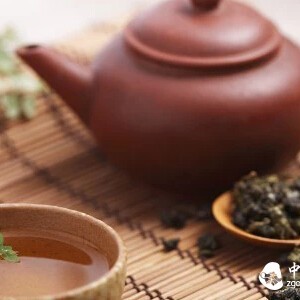
How to experience different levels of Pu'er tea aroma?
Learning to experience the five levels of Pu'er tea aroma (floating fragrance, fragrance entering water, water-containing fragrance, water-born fragrance, and water-is-fragrance mainly relies on repeated comparison and attention allocation. For beginners, the key is to compare the aroma released du...
Tea News · May 16, 2026