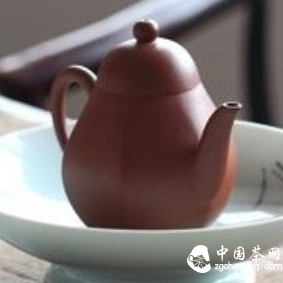
Can Pu'er Tea Really Refresh You?
Under normal circumstances, Pu'er tea helps people relax. When you feel stressed at work, taking a little time to slowly savor Pu'er tea can cultivate patience. Drinking Pu'er tea can relieve stress and ease your mood. In other words, if you are very tired, drinking Pu'er tea may make you want to re...
Tea News · Jun 14, 2026
How to Drink Tea Scientifically and Reasonably: Choose Different Teas for Different Seasons
This article discusses how to drink tea scientifically and reasonably by considering tea properties, individual body constitutions, and seasonal changes. It explains that green tea is cool and suitable for summer, while black tea and oolong tea are warm and good for winter. Jasmine tea is recommende...
Tea News · Jun 14, 2026
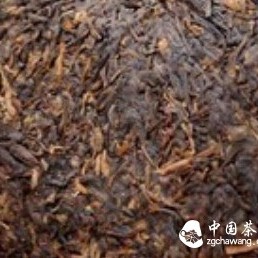
Can't Brew the Charm of Pu'er Tea?
There are various reasons why many tea enthusiasts fail to brew the charm of Pu'er tea. These include the quality of the tea tree itself, such as young trees or those grown in nutrient-deficient soil; excessive moisture during the rainy season, which dilutes the tea's quality; and modern processing...
Tea News · Jun 14, 2026
How to Drink Pu'er Tea in Autumn?
In autumn, the weather turns cool and dry, often causing symptoms like dry mouth and fatigue, known as 'autumn dryness' or 'autumn fatigue'. Drinking ripe Pu'er tea is recommended as it helps remove grease, regulate metabolism, and has multiple health benefits such as reducing cholesterol and blood...
Tea News · Jun 13, 2026

Do You Know the 5 Secrets of Pu'er Tea?
Pu'er tea is not like other foods; true enthusiasts often select and taste it themselves before purchasing. Quality depends on both appearance and inner qualities: a good tea cake is uniform, with few stems and yellow leaves. Beware of adulteration—cheap tea may be mixed with inferior leaves or even...
Tea News · Jun 13, 2026
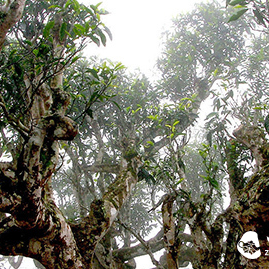
8 Kinds of Ancient Tree Single-Origin Pu'er Tea
In recent years, Pu'er tea has become increasingly popular, but do you know how to classify different types of Pu'er tea? Today, I will explain the eight forms of single-origin ancient tree tea, ranging from tea from different mountains to single-tree and tea-king-tree varieties, each with its own u...
Tea News · Jun 12, 2026
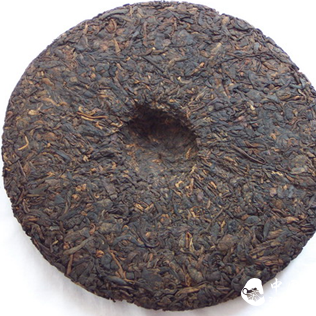
Several Storage Methods for Pu'er Tea Cakes
This article introduces several key points for storing Pu'er tea cakes: raw and ripe cakes should be stored separately; the storage location should be on the ground floor to allow natural air contact; avoid sunlight exposure; keep the original bamboo leaf wrapping for tea cakes; and choose ceramic o...
Tea News · Jun 12, 2026
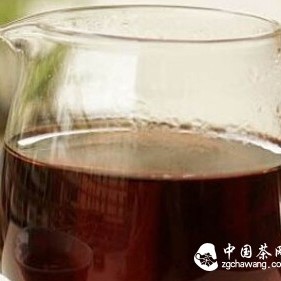
How to Cleverly Use Pu'er Tea in the Evening?
Pu'er tea is a common daily tea, but how can it be used for health preservation? In the evening, Pu'er tea can be skillfully applied to aid digestion and support eye health. After dinner, drinking a few cups of ripe Pu'er tea can help relieve the burden on the digestive system caused by fatty foods....
Tea News · Jun 11, 2026
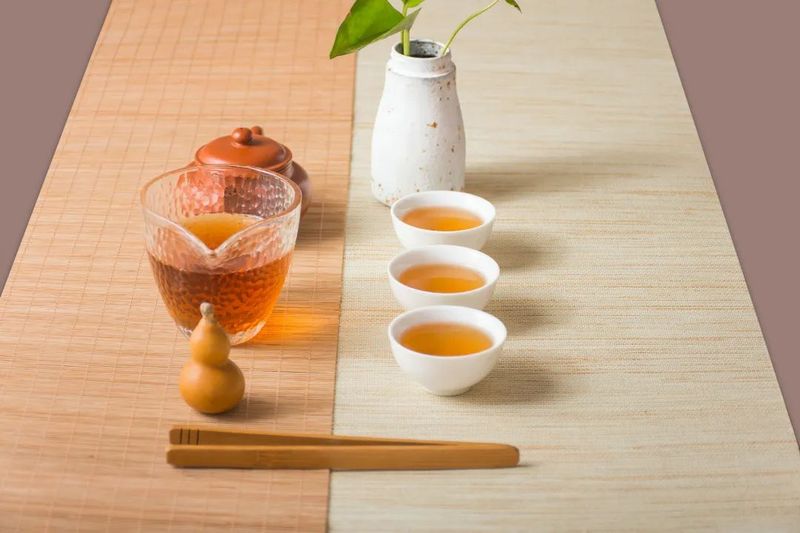
Things You Must Know About Pu'er Tea!
Pu'er tea has many myths and facts worth knowing. Ancient tea trees are not necessarily large; frequently picked ones can be small. Aged Pu'er can be valuable but may not come from large trees. Trunk diameter does not reliably indicate age. White fuzz on leaves indicates pest resistance, not necessa...
Tea News · Jun 09, 2026

Different Obesity Corresponding to Weight Loss Tea: Do You Know These Effects?
Drinking tea is not only about health and culture, but also about the weight loss effects of tea leaves, did you know? For dieters, oolong tea is recommended. For those with edema, barley tea is suggested. For constipation caused by stress, lotus leaf tea is helpful. For constipation from dieting, c...
Tea News · Jun 09, 2026