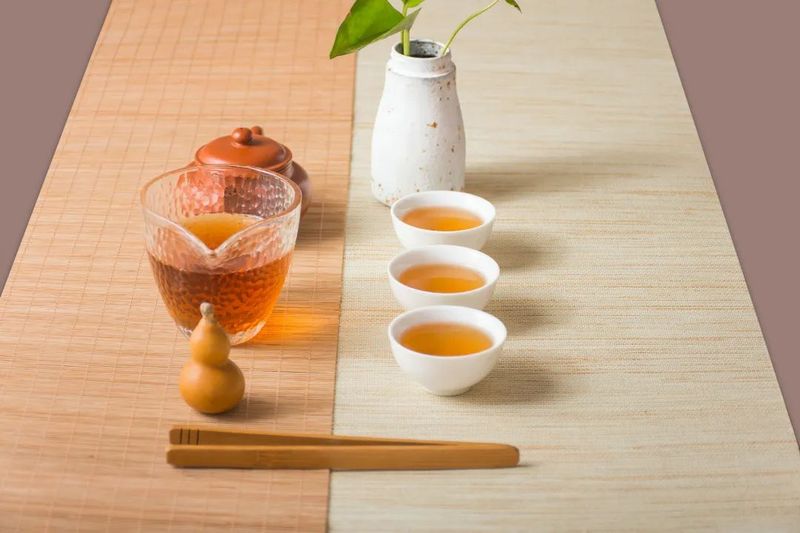
Things You Must Know About Pu'er Tea!
Pu'er tea has many myths and facts worth knowing. Ancient tea trees are not necessarily large; frequently picked ones can be small. Aged Pu'er can be valuable but may not come from large trees. Trunk diameter does not reliably indicate age. White fuzz on leaves indicates pest resistance, not necessa...
Tea News · Jun 09, 2026

Different Obesity Corresponding to Weight Loss Tea: Do You Know These Effects?
Drinking tea is not only about health and culture, but also about the weight loss effects of tea leaves, did you know? For dieters, oolong tea is recommended. For those with edema, barley tea is suggested. For constipation caused by stress, lotus leaf tea is helpful. For constipation from dieting, c...
Tea News · Jun 09, 2026
Middle-aged and elderly people who regularly drink oolong tea may improve hearing
A study from Taiwan found that middle-aged and elderly people who regularly drink oolong tea may help maintain hearing. The research involved 265 participants over 55 years old. After adjusting for factors such as age, gender, and lifestyle habits, the oolong tea group showed significantly better ab...
Tea News · Jun 09, 2026
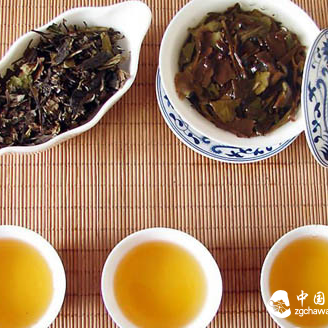
Main Benefits of White Tea Shou Mei
Shou Mei white tea is known for its cooling and detoxifying properties, helping to relieve heat, fever, and inflammation. It also promotes metabolism and skin health due to its antioxidant content, making it a natural remedy for common ailments....
Tea News · Jun 09, 2026
Is Coarse Tea Inferior Tea?
Coarse tea refers to tea leaves harvested in summer and autumn, as opposed to fine tea picked before and after Qingming Festival. It is not inferior but contains richer trace elements, vitamins, and polysaccharides. Tibetan tea is a typical mature tea with abundant nutrients....
Tea News · Jun 09, 2026

Is Anxi Tieguanyin a Green Tea?
Tieguanyin belongs to the category of oolong tea, which is a semi-fermented tea, distinct from green tea. It is a representative of Chinese top ten famous teas. Tieguanyin is rich in amino acids, vitamins, and minerals, offering various health benefits such as anti-aging, anticancer, and weight loss...
Tea News · Jun 09, 2026
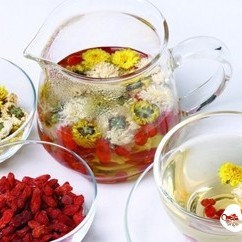
Several Common Misunderstandings About Drinking Weight Loss Tea
Weight loss tea is a popular method for many women who want to slim down. However, there are several important precautions to keep in mind. It should not be consumed on an empty stomach, during pregnancy, menstruation, breastfeeding, or when suffering from ulcers or fever. Additionally, drinking it...
Tea News · Jun 09, 2026
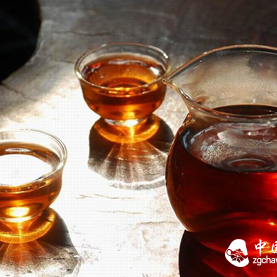
What Affects the Sweetness, Tea Soup, Throat Resonance, and Persistence of Pu'er Tea
This article explores the key factors influencing the quality of Pu'er tea, focusing on sweetness, tea soup, throat resonance, and durability. It compares ancient tree tea with terrace tea, highlighting differences in nutrient absorption, flavor complexity, and aging potential. Key indicators like s...
Tea News · Jun 09, 2026
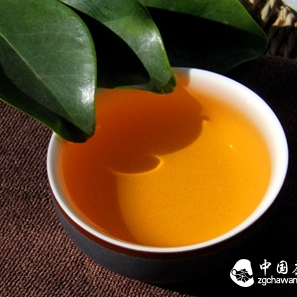
The Taboos of Pu'er: Do Those Who Love Her Know Them?
Pu'er has always been the top choice for many tea enthusiasts. Its unique, mysterious, romantic yet profound qualities deeply captivate tea lovers. Do you, who love her, know the following taboos of Pu'er? For example, avoid drinking strong Pu'er on an empty stomach, do not steep the tea for too lon...
Tea News · Jun 08, 2026
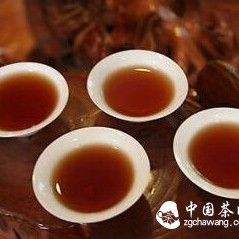
Introduction to the Liquor Color and Aroma of Aged Dark Tea
The infusion color of aged dark tea is bright red and clear, resembling aged wine, with no sediment or cloudiness. The taste is initially sweet, smooth, and rich, with a slight sour aftertaste; mid-stage it becomes purely sweet and refreshing. The aroma evolves from mellow and aged in early infusion...
Tea News · Jun 08, 2026