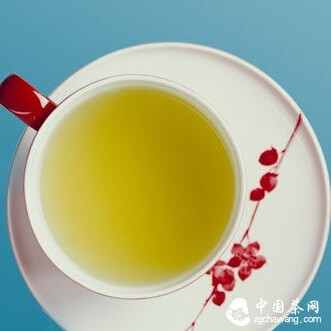
Tea Over 70°C Causes Cancer: Too Terrifying!
Research shows that drinking tea hotter than 70°C significantly increases the risk of esophageal cancer. On the other hand, tea—especially green tea—contains antioxidants like tea polyphenols that may help prevent certain cancers, including prostate, ovarian, and skin cancer....
Tea News · Jun 26, 2026
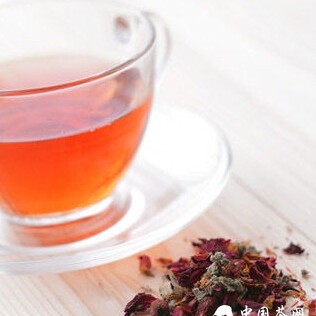
Natural Slimming Teas That Make You Thinner and Healthier
This article introduces eight natural and healthy slimming teas, including Pu'er tea, lotus leaf tea, and hawthorn tea, which help boost metabolism, eliminate fat and water, and reduce abdominal fat. These tea recipes are simple to make and suitable for daily consumption, promoting weight loss and i...
Tea News · Jun 26, 2026
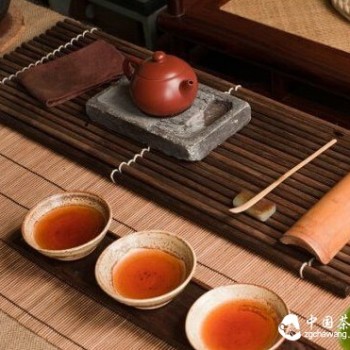
Health Tea Turns into “Poison Tea”?
Herbal tea, made from plant roots, stems, leaves, flowers, or bark, offers health benefits when used correctly. However, improper or excessive consumption can lead to adverse effects. Understanding one's body constitution and the properties of each herb is crucial. For example, cold-natured herbs li...
Tea News · Jun 26, 2026
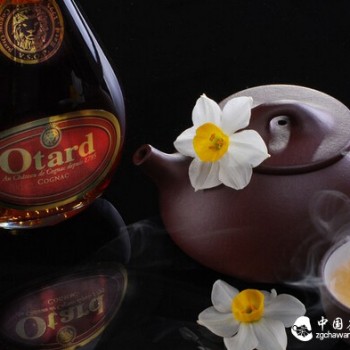
Drinking Tea After Drinking Alcohol = Adding Fuel to the Fire
Drinking tea after alcohol consumption is commonly believed to relieve intoxication, but in reality, it exacerbates harm. Alcohol damages the stomach lining and stimulates the heart, while tea's theine further increases heart strain and gastric acid secretion, leading to greater health risks to the...
Tea News · Jun 26, 2026
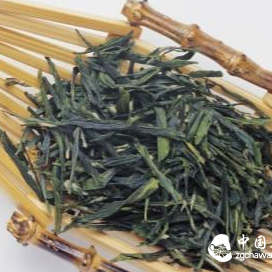
Benefits of Maojian Tea
Maojian tea is an unfermented tea with many health benefits. It helps resist radiation from electronic devices, whitens the skin by reducing melanin, and aids in eliminating nicotine from the body. Rich in vitamin C and antioxidants, it also offers cooling and thirst-quenching effects in summer, mak...
Tea News · Jun 24, 2026
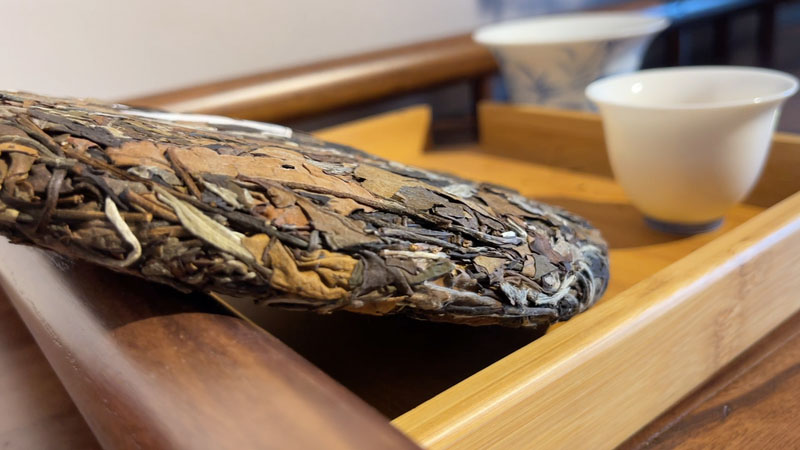
Can drinking tea cause insomnia? Decoding 9 tea drinking myths
We have always believed that drinking tea can lead to insomnia. Tea contains caffeine, which does have a stimulating effect and can affect sleep if consumed excessively. However, a growing body of research indicates that the amino acid L-theanine in tea has a positive effect on improving sleep quali...
Tea News · Jun 24, 2026
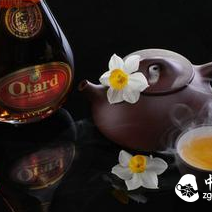
What You Should Know About Tea: The "Five No-Go Pairings" with Tea
When drinking tea, it is important to note that certain foods should not be consumed together with it, as this may cause unnecessary harm to the body. This article introduces five types of food that should be avoided when drinking tea, including alcohol, eggs, sugar, lamb, and medicine. Understandin...
Tea News · Jun 24, 2026
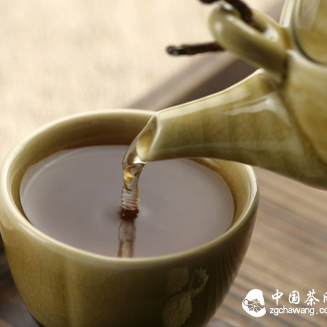
My Food Is a Pot of Bitter Tea
The author reflects on a broad understanding of tea, starting from digging thatch roots as a child to drinking various herbal teas like houttuynia and malt tea. He argues that true tea is not limited to tea leaves but includes any plant that, when steeped, brings clarity and benefits to the heart an...
Tea News · Jun 24, 2026
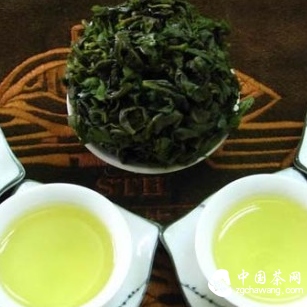
Methods to Identify Authentic Tieguanyin Autumn Tea
To skillfully distinguish authentic Tieguanyin autumn tea, you can start from three aspects: color, taste, and aroma. The color changes from bright green to dull grayish-brown, the taste becomes less rich and fresh due to oxidation, and the aroma loses its freshness. Additionally, you can identify i...
Tea News · Jun 24, 2026
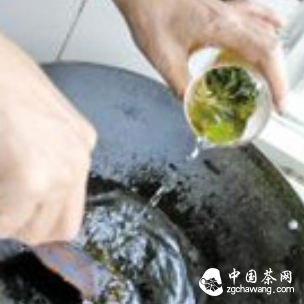
Tea Can Remove Musty Odor from Iron Pots
Leftover tea can be reused in many ways around the home. Recently, a new use has been found: removing musty odors from iron pots. Heat and dry the pot, then evenly coat both the inside and outside with salad oil, and place a few dry tea bags inside the pot. This method helps prevent and eliminate mo...
Tea News · Jun 24, 2026