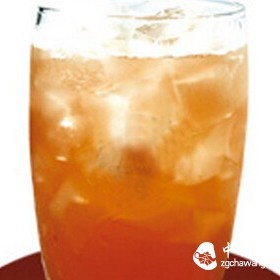
Different Brewing Methods of Dark Oolong Tea
Different brewing methods of dark oolong tea - brewing guide. A cup of dark oolong tea with a different flavor every day keeps you feeling fresh. Below are several brewing methods for different flavors of dark oolong tea: lemon oolong tea, honey dark oolong tea, rock sugar dark oolong tea, and ginse...
Tea News · Jun 20, 2026
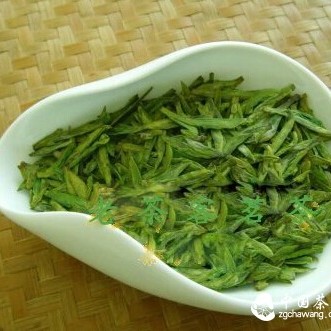
How to Identify Longjing Tea
West Lake Longjing tea, produced in the West Lake area of Hangzhou, Zhejiang, is flat-shaped, tender, and evenly striped with a smooth green-yellow appearance. Its aroma is pure and fragrant, while counterfeit versions often taste grassy or have rough, uneven leaves. Authentic Longjing is picked ear...
Tea News · Jun 20, 2026

How to Prevent and Respond to Tea Intoxication
Tea intoxication, caused by excessive caffeine and polyphenols from strong or excessive tea consumption on an empty stomach, leads to symptoms like dizziness, palpitations, and weakness. Immediate consumption of food, sweets, or snacks can relieve it. To prevent it, avoid strong tea, don't drink on...
Tea News · Jun 20, 2026

Pu'er Tea Knowledge Compendium: Remember It and You'll Be a Tea Master!
This article helps beginners quickly understand Pu'er tea, covering concepts such as what Pu'er tea is, how to distinguish raw and ripe tea, the production process, storage methods, tea regions, and tasting terminology. It is a comprehensive entry-level guide....
Tea News · Jun 20, 2026
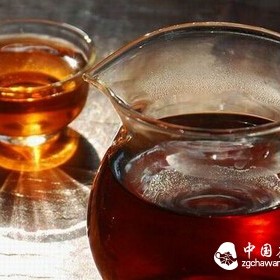
14 Taboos of Pu'er Tea
Pu'er tea, a traditional Chinese tea, has numerous health benefits including weight loss, cholesterol reduction, and cancer prevention. However, there are 14 important taboos to observe when drinking it, such as avoiding strong tea on an empty stomach, not drinking freshly made tea excessively, and...
Tea News · Jun 20, 2026
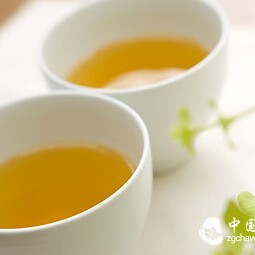
Cold Facts About Tea You Don't Know
Tea is packed with health benefits backed by studies: it may reduce cancer risk, lower cardiovascular disease rates, and help with diabetes. Antioxidants in tea are stronger than vitamins C and E. Happiness from drinking tea comes from natural amino acids that boost dopamine. Surprising facts includ...
Tea News · Jun 20, 2026
Chewing tea leaves can relieve tooth sensitivity
Chewing tea leaves can help relieve tooth sensitivity. Tea is rich in fluoride and tea polyphenols, which strengthen enamel and reduce acid erosion. Low-grade tea actually contains more fluoride than high-grade tea. This simple remedy uses leftover tea or fresh leaves to ease discomfort and prevent...
Tea News · Jun 20, 2026
Tea Knowledge: Teach You to Match Tea to Cure All Diseases
This article introduces a variety of traditional Chinese medicinal tea recipes, using ingredients such as goji berries, raw rehmannia, and longan, combined with tea leaves, to address different health conditions. From nourishing the liver and kidneys to clearing heat and promoting fluid production,...
Tea News · Jun 19, 2026
Which Vitamins Can Be Supplemented by Drinking Tea
Tea contains a variety of vitamins, with vitamin C being the most abundant, along with vitamin A precursor, vitamin B1, vitamin B2, vitamin P, vitamin PP, vitamin K, and folic acid. Drinking tea in moderation can help supplement the body's need for multiple vitamins, especially since the human body...
Tea News · Jun 19, 2026
Do You Really Know How to Drink Tea? Let Me Tell You
Do you really know how to drink tea? Nowadays, more and more people are enjoying tea, but how can you drink tea in the healthiest way? How can you achieve good health benefits through tea drinking? In fact, there are many things to pay attention to when drinking tea. First, you need to consider your...
Tea News · Jun 19, 2026