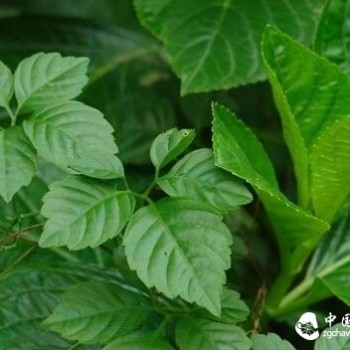
Identification of Gynostemma pentaphyllum
Gynostemma pentaphyllum, a perennial herbaceous vine of the Cucurbitaceae family, is valued for its edible, medicinal, and tea-making uses. It contains ginsenoside-like saponins, amino acids, vitamins, and minerals, offering benefits such as lowering blood pressure, blood sugar, and cholesterol. Qua...
Tea News · Jun 22, 2026
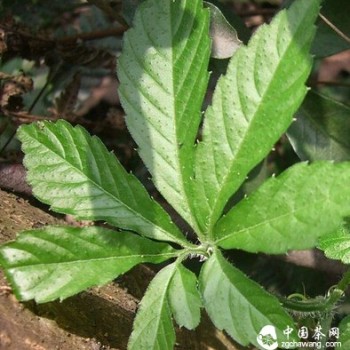
The Correct Way to Store Gynostemma Pentaphyllum
In modern society, high-end products like Gynostemma Pentaphyllum gift boxes are often given as presents rather than consumed by the buyers themselves. This herbal tea, rich in vitamins and trace elements, has no theine or caffeine and offers numerous health benefits, such as warming the body and tr...
Tea News · Jun 22, 2026
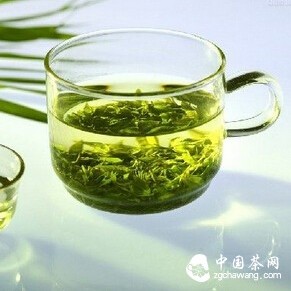
Tea dregs that are ten thousand times better than human scum
Tea is a popular beverage. Most people throw away the leftover tea dregs after drinking, but in fact, tea dregs have many amazing uses. From cooking beef to make it tender, to removing odors, cleaning greasy cookware, and even preserving eggs, tea dregs can be a versatile household helper. They can...
Tea News · Jun 22, 2026
Choosing Tea as a Mid-Autumn Festival Gift Has at Least Five Major Benefits
In today's health-conscious era, giving tea as a gift during the Mid-Autumn Festival is far superior to traditional gifts like cigarettes or alcohol. Tea is not only a refined and cultured gift, deeply rooted in Chinese tradition, but also a symbol of health and wellness. Its health benefits, such a...
Tea News · Jun 22, 2026
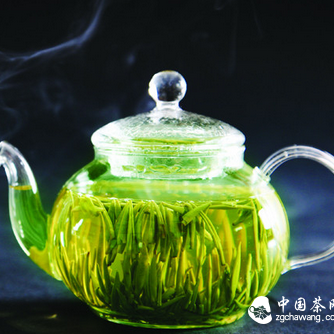
Different Health Benefits of Tea: Which Tea to Drink for Summer Health and Beauty
Tea has different properties such as cold, warm, sweet, and bitter, and its effects on the human body vary accordingly. In summer, with high temperatures, strong UV rays, and heavy sweating, it is advisable to choose teas with a cooling nature, such as herbal teas, to relieve irritability, quench th...
Tea News · Jun 22, 2026
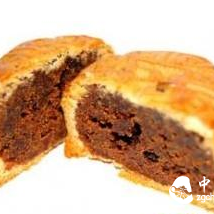
Different Fillings of Mooncakes Should Be Paired with Different Teas
This article introduces how to pair different types of mooncakes with suitable teas to enhance flavor and aid digestion. For sweet mooncakes like red bean or lotus seed paste, green tea or mint tea is recommended to help metabolize sugar. For oily mooncakes such as egg yolk or five-nut, pu'er tea or...
Tea News · Jun 22, 2026
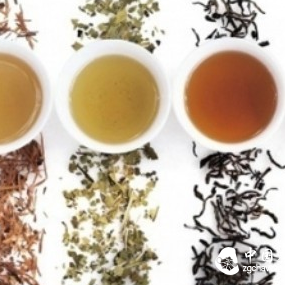
Six Colors of Tea: Each Color Has Different Health Benefits
Tea comes in six colors, each with unique health benefits. Green tea is cooling and detoxifying, ideal for those with internal heat. Black tea is warming and good for the stomach, suitable for people with cold body types. Oolong tea helps with weight loss, while Pu'er tea aids digestion and reduces...
Tea News · Jun 22, 2026
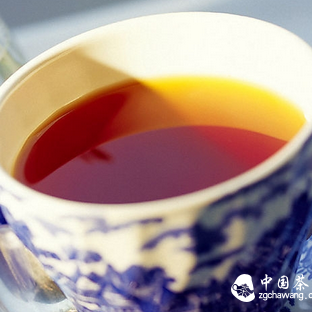
Master Water Temperature and Quality for Perfect Tea! So easy!
Learn how water quality and temperature affect tea flavor. Soft water with low minerals brings out the best in tea, while high-mineral hard water dulls its taste. Removing chlorine from tap water prevents unwanted flavors. High oxygen content in fresh water boosts tea aroma. Different teas require s...
Tea News · Jun 22, 2026
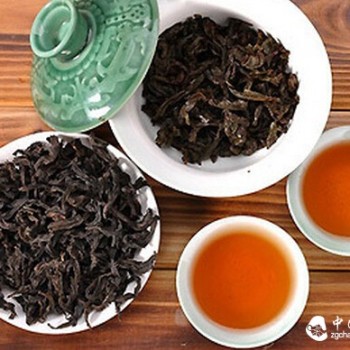
How to Drink Tea, Do You Really Understand?
Tea is not just a drink; it offers both physical and mental benefits. Many people misunderstand that expensive tea is always better, or they simply drink tea without truly savoring it. Choosing the right tea according to your body type, the season, and your personal needs can enhance both health and...
Tea News · Jun 21, 2026
9 Wonderful Uses of Used Tea Leaves
Used tea leaves have many practical household uses. They can remove fishy and onion odors from containers, be used to make flavorful tea eggs, and polish greasy pots, pans, and wooden or bamboo furniture. Dried tea leaves can absorb moisture, serve as soft pillow filling, help clean carpets, and pro...
Tea News · Jun 21, 2026