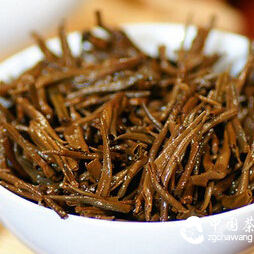
Red Tea Knowledge That Red Tea Lovers Should Know!
Red tea (black tea originated in the Wuyi Mountain area of Fujian Province, China, during the mid-Ming Dynasty (around the 16th century , with the earliest variety being Zhengshan Xiaozhong. It became popular in Europe, especially among British royalty, and later spread to India and Sri Lanka. Toda...
Tea News · Jun 21, 2026
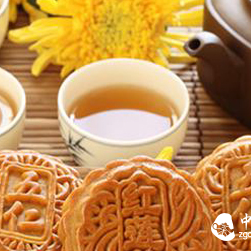
Three Reasons to Drink Tea During the Mid-Autumn Festival
Many believe the Mid-Autumn Festival has lost its poetic charm, covered by the dust of city life. But with tea, we can purify our hearts and eyes. Sipping tea while admiring the moon is the most poetic way to celebrate. Tea embodies elegance, never feels cloying, and offers a healthy alternative to...
Tea News · Jun 21, 2026
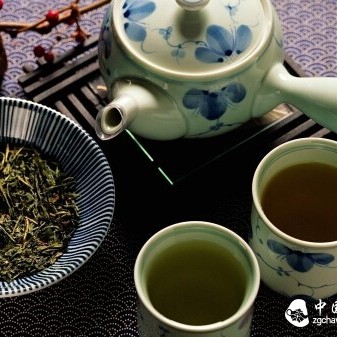
Advice: Major Taboos in Tea Drinking
This article outlines eleven major taboos to consider when drinking tea, including avoiding tea before bed for insomniacs, not storing tea near strong odors, refraining from tea before or immediately after meals, not chewing tea leaves, avoiding tea with medication, and limiting intake for those wit...
Tea News · Jun 21, 2026
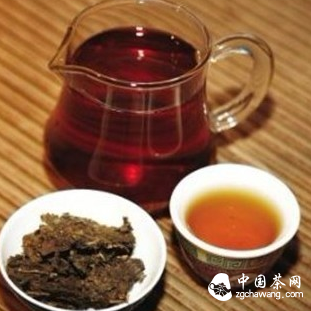
Five Great Benefits of Choosing Dark Tea as a Mid-Autumn Festival Gift!
Choosing dark tea as a Mid-Autumn Festival gift offers five key advantages: it is a refined national drink, carries profound cultural significance, promotes health and wellness, aligns with modern health awareness, and embodies genuine sentiment over material value. Dark tea is not only a symbol of...
Tea News · Jun 21, 2026
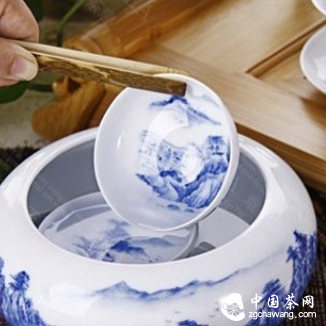
How to Care for Your Beloved Tea Utensils
It is well known that good tea requires good tea utensils, making teaware an essential part of daily life. Many tea enthusiasts cherish their tea sets, especially porcelain ones, but often feel uncertain about proper maintenance. This article introduces correct methods for caring for porcelain tea u...
Tea News · Jun 21, 2026
Never Drink Tea Again, I'm Serious!
This article humorously lists various "reasons" not to drink tea, such as how it makes other beverages seem inferior, helps with weight control, leads to collecting teaware, fosters appreciation for refined elegance, encourages face-to-face communication over phones, inspires travel to tea-culture d...
Tea News · Jun 21, 2026
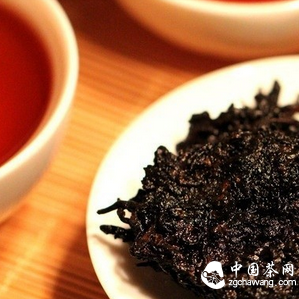
6 Types of Stomachs That Should Drink Pu'er Tea — See if You Are One of Them
This article discusses six common stomach conditions among white-collar workers—such as those caused by excessive soup consumption, smoking, drinking, stress, staying up late, and poor diet—and recommends specific ways to drink Pu'er tea to alleviate each issue. It provides practical tea-drinking ti...
Tea News · Jun 21, 2026
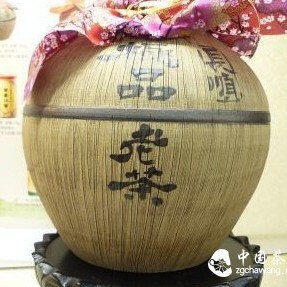
Why Drink Aged Tea?
Aged tea, due to the oxidation of theophylline and tea polyphenols, breaks down into polysaccharides—complex carbohydrates that play a vital role in cellular signaling and immune function. Research shows that polysaccharides from aged tea can enhance T-cell activity, inhibit cancer cell metabolism,...
Tea News · Jun 20, 2026
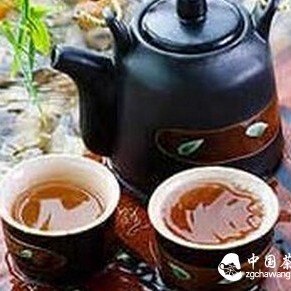
Prepare Summer Heat-Relieving Teas in Advance!
Chrysanthemum tea is aromatic, relieving heat and quenching thirst. Mint tea, with its cooling effect, is good for clearing heat and promoting urination. American ginseng tea nourishes yin and reduces deficiency fire. Tangerine peel tea helps resolve phlegm and relieve cough. For edema, barley tea i...
Tea News · Jun 20, 2026
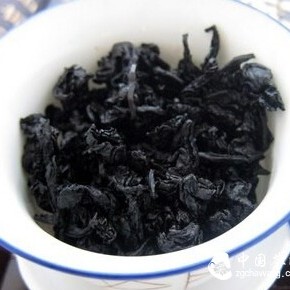
Efficacy and Benefits of Dark Oolong Tea
Dark Oolong Tea is a type of oolong tea that is commonly produced in Japan. It is known for its ability to help with weight loss by inhibiting fat absorption and promoting fat excretion, with scientific evidence showing it can suppress up to 20% of neutral fat absorption. Additionally, it offers ben...
Tea News · Jun 20, 2026