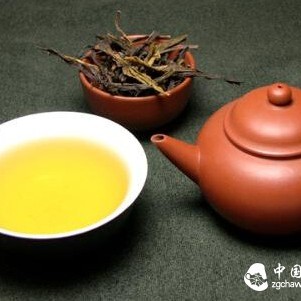
The Complete Guide to Drinking Tea
For Chinese people, drinking tea for health preservation is a tradition that has been passed down for thousands of years. In recent years, more and more research has been conducted on the health benefits of tea: anti-cancer, cardiovascular protection, radiation protection... It seems that all health...
Tea News · Jun 19, 2026
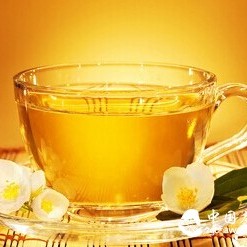
Essential Tea Selection Knowledge for Tea Drinkers
Different types of tea have different standards. Some teas, like Xihu Longjing, are best when fresh, while others, like Pu'er, improve with age. Selecting the right tea requires understanding its unique characteristics. This article covers the selection criteria for green tea, black tea, oolong tea,...
Tea News · Jun 19, 2026
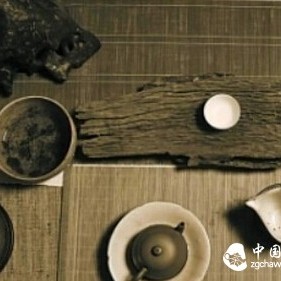
How to Drink Tea Without Being Rude!
China is known as the land of etiquette, and Chinese tea ceremony embodies rich cultural traditions. While not as rigid as the Japanese tea ceremony, both hosts and guests should observe key details to create a harmonious tea-drinking atmosphere. For hosts, this includes keeping the tea setup simple...
Tea News · Jun 19, 2026
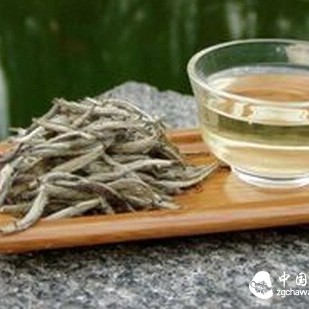
Boil a pot of aged white tea late at night to cool down and reduce internal heat
Many people like to stay up late and also enjoy smoking and drinking. Long-term sleep deprivation greatly harms health, and the additional burden of tobacco and alcohol makes it worse. For those who stay up late, boiling a pot of aged white tea can help cool down and reduce internal heat....
Tea News · Jun 19, 2026
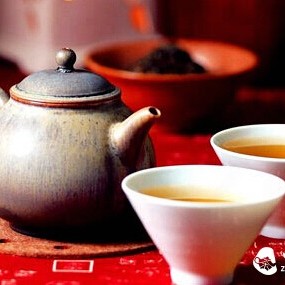
Understanding Tea's Nature | Choosing a Tea That Suits You
The article explains that different types of tea have different thermal properties (cool, neutral, warm based on their processing and fermentation levels, and that choosing the right tea depends on one's individual constitution and seasonal needs. It highlights the six major tea categories—green, y...
Tea News · Jun 19, 2026
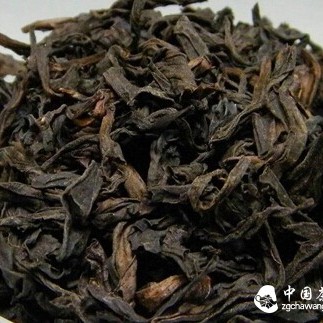
“Aged Tea” Is Not Necessarily Good Tea
The belief that older tea is better has become popular among tea enthusiasts, especially with dark teas like Pu'er and Liubao commanding high prices. However, not all teas improve with age. Black tea and green tea are best consumed fresh, while dark teas can develop better quality over time, provide...
Tea News · Jun 19, 2026
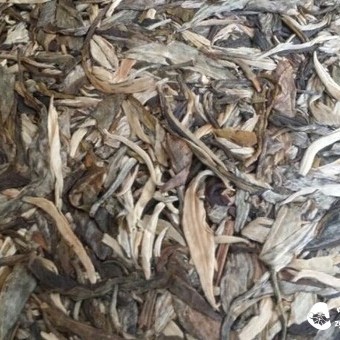
Misconceptions about the Collectible Value of Pu'er Tea and White Tea
From health-oriented, cultural, to wealth-oriented perspectives, Pu'er tea is not only consumed but also collected. This year, white tea, which has appeared alongside Pu'er tea at major exhibitions, has also been hailed by tea enthusiasts as the most collectible tea. Today, let's discuss the value o...
Tea News · Jun 18, 2026
Mastering the Concentration of Pu'er Tea
The biggest characteristic of Pu'er tea is its rich content, high water extract, durability in brewing, and noticeable bitterness and astringency. Therefore, when tasting Pu'er tea, we must pay attention to controlling the concentration of the tea soup to suit our own taste. To achieve this, two asp...
Tea News · Jun 18, 2026
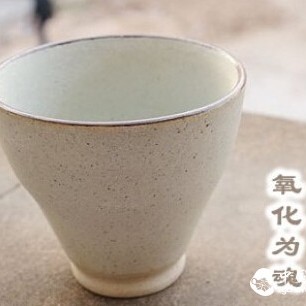
Tea is Divided into Six Categories, Oxidation is the Soul! Is 'Fermentation' a Misused Concept?
Tea is categorized into six types based on oxidation, not fermentation as commonly believed. In biochemistry, fermentation requires microbial action, but only dark tea involves true fermentation. Other teas undergo enzymatic or auto-oxidation, transforming polyphenols into compounds like theaflavins...
Tea News · Jun 18, 2026
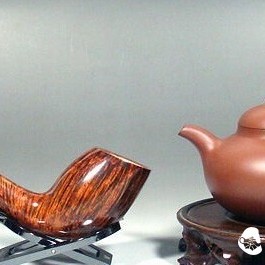
10 Lung-Moistening Teas for the Smoker Beside You
Smoking is harmful to health, a well-known fact. However, for the smoker beside you, quitting can be extremely difficult, and many find it hard to resist the temptation. Many experts suggest drinking tea to reduce the harm of smoking. Here are 10 lung-moistening teas that provide gentle care for his...
Tea News · Jun 18, 2026