Dried flowers and Chinese herbal medicine are not always suitable for tea making
In recent years, using dried flowers and Chinese herbal medicines as tea has become a trend. However, pharmaceutical experts warn that while some dried flowers and herbs are safe for tea consumption, others are not. For example, Sterculia lychnophora (Pangdahai is a pure Chinese medicine effective...
Tea News · Jun 24, 2026
Why is drinking tea said to be good for the eyes?
Drinking tea is believed to benefit eyesight, as recorded in many ancient Chinese medical texts. Li Shizhen's Compendium of Materia Medica notes that tea's bitter and cold nature can reduce internal heat, which is seen as the root of many illnesses. The vitamins in tea—especially A, B1, B2, and C—ar...
Tea News · Jun 24, 2026
Which Vitamins Can Drinking Tea Supplement for You?
Tea contains a variety of vitamins, with the highest content being vitamin C, along with vitamin A precursor, vitamin B1, vitamin B2, vitamin P, vitamin PP, vitamin K, and folic acid. Drinking tea in moderation can help supplement the body's need for multiple vitamins. Green tea is especially rich i...
Tea News · Jun 23, 2026
Drinking Tea Like This Is No Different from Chronic Suicide!
Drinking strong tea after alcohol can harm the kidneys by quickly excreting acetaldehyde, a toxic byproduct. Tea consumed before or after meals disrupts digestion and reduces iron absorption. Taking medication with tea may cause chemical interactions. Overly strong tea can overstimulate the brain an...
Tea News · Jun 23, 2026
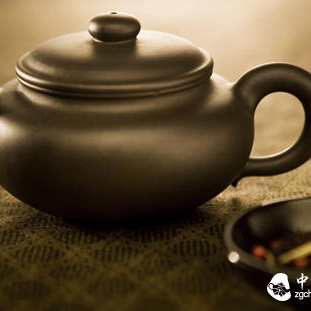
Differences and Similarities Between Hunan Dark Tea and Pu'er Tea
Hunan dark tea and Pu'er tea both belong to the dark tea category, but they differ in origin, raw materials, processing, and flavor. Hunan dark tea is unique for its 'ice moraine rock' geological conditions and 'golden flower' (Eurotium cristatum , a probiotic with health benefits. Pu'er tea, from Y...
Tea News · Jun 23, 2026
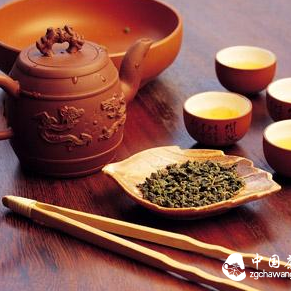
Oolong Tea is the First Choice for Autumn Tea Drinking to Lower Cholesterol
Oolong tea, with its balanced nature between green and black tea, is ideal for autumn consumption. Scientific studies have shown that oolong tea, rich in tannic acid, can effectively reduce blood cholesterol levels and aid in weight loss by dissolving fat. Drinking one liter of oolong tea daily help...
Tea News · Jun 23, 2026
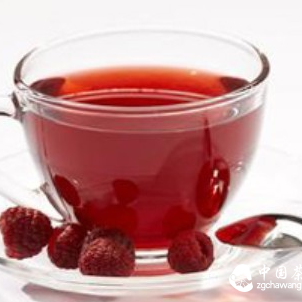
Alternative Uses of Tibetan Tea in Daily Life
Tibetan tea, beyond being a beverage, offers many practical uses in daily life. It can be used to tenderize beef when cooking, eliminate bad breath from garlic or onions, remove fishy odors from utensils, and even help preserve meat. Rich in over 500 organic compounds and 40 minerals, Tibetan tea is...
Tea News · Jun 23, 2026
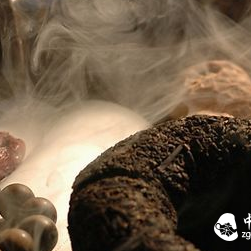
Regular Consumption of Dark Tea Can Remove Internal 'Waste'
Traditional Chinese medicine suggests that in winter, it is suitable to drink some black tea, but actually you can also drink more dark tea. It not only helps eliminate greasy feelings from the body but also cleanses blood lipids, protects blood vessels, and prevents obesity....
Tea News · Jun 23, 2026
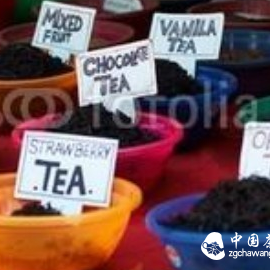
Names and Flavors of Various Teas
This article introduces the names and flavor characteristics of various types of tea, including green tea, black tea, oolong tea, white tea, yellow tea, dark tea, and scented tea. It explains their production processes, representative varieties, and taste profiles....
Tea News · Jun 23, 2026
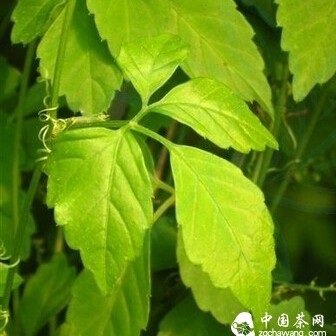
What Are the Benefits of Gynostemma Tea?
Gynostemma tea offers a wide range of health benefits, including boosting immunity, regulating blood sugar and blood pressure, improving sleep, and aiding digestion. It also has anti-aging, anti-cancer, and weight management properties, making it a popular herbal supplement for overall wellness....
Tea News · Jun 22, 2026