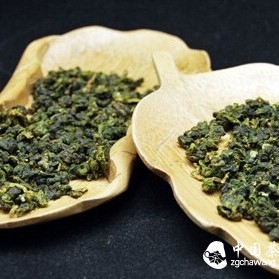
Is Tieguanyin Too Fragrant? The Role of Flavoring Agents? Teaching You How to Distinguish Whether Tea Has Added Flavorings
Some teas on the market smell very fragrant but lack a true tea taste when brewed, leading to suspicions that unscrupulous merchants have added flavorings. This article explains that a tea's aroma primarily depends on the tea plant variety, processing, and storage methods. While some low-quality tea...
Tea News · Mar 16, 2026
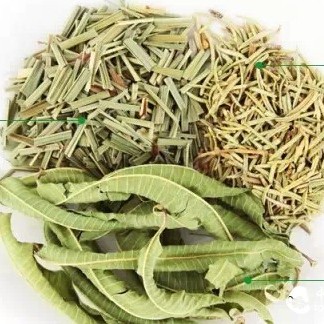
14 Homemade Weight Loss Herbal Teas to Easily Drink Your Way to a Good Figure
This article introduces 14 types of homemade herbal teas designed to aid in weight loss and body shaping. These teas utilize natural ingredients such as roses, hawthorn, cassia seed, barley, and coix seed, which are believed to help with fat reduction, diuresis, digestion, and detoxification. The pr...
Tea News · Mar 16, 2026
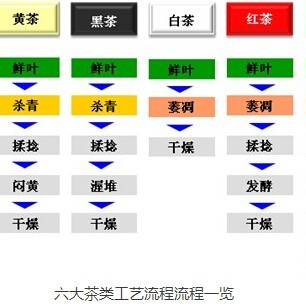
Don't Be Fooled! Essential Knowledge of the Six Major Tea Types
This article demystifies the essential processing techniques behind the six major tea categories: green, black, white, oolong, yellow, and dark tea. It explains core procedures like 'killing the green' (sha qing , which halts oxidation to preserve freshness in green tea; withering, the first step fo...
Tea News · Mar 16, 2026
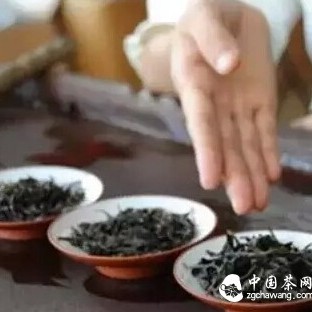
New Tea Cup Brewing, Old Teapot Steeping
Different types of tea require specific brewing methods and water temperatures. The principle 'old tea steeped in a pot, tender tea brewed in a cup' guides the choice of vessel: aged teas like Oolong and Black Tea are best brewed in porous vessels like Yixing clay teapots, while delicate, young teas...
Tea News · Mar 15, 2026
What are the classifications of Anhua dark tea, and what are their differences?
Anhua dark tea, a renowned Chinese fermented tea, is primarily classified into three main categories: 'San Zhuan' (Three Bricks , 'San Jian' (Three Tips , and 'Hua Juan' (Flower Roll . The 'Three Bricks' include Hei Zhuan (Black Brick , Hua Zhuan (Flower Brick , and Fu Zhuan (Fu Brick , each with di...
Tea News · Mar 15, 2026
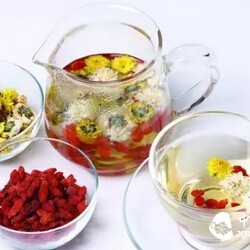
Drinking Flower Tea Can Refresh and Relieve Spring Fatigue: 5 Recommended Flower Teas
Spring often brings drowsiness and low energy, commonly known as 'spring fatigue syndrome.' To combat spring fatigue, in addition to measures like diet, exercise, and maintaining a cheerful mood, drinking flower tea can also help refresh and relieve tiredness. This article recommends five types of f...
Tea News · Mar 15, 2026
Anxi Has More Than Tieguanyin: Decoding the Four Major Varieties of Southern Fujian Oolong Tea
When it comes to Southern Fujian Oolong tea, Anxi Tieguanyin immediately comes to mind. However, Anxi produces more than just Tieguanyin. Since the 1950s, for easier identification and grading, Anxi Oolong teas have been categorized into Tieguanyin, 'Se Zhong' (variety teas , and Oolong. 'Se Zhong'...
Tea News · Mar 15, 2026
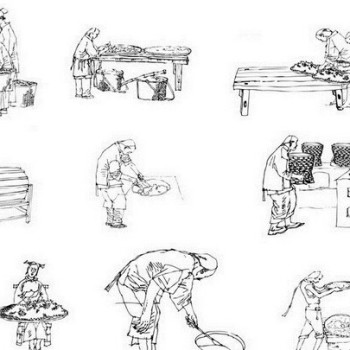
On the Timing of Tea Drinking: The Theory of Tea and the Yin-Yang of the Human Body in the Four Seasons
According to traditional Chinese philosophy, the four seasons, day and night are distinguished by Yin and Yang. Spring and summer are abundant in Yang energy, while autumn and winter are abundant in Yin energy; daytime is Yang, and nighttime is Yin. The 12 two-hour periods of a day, like the four se...
Tea News · Mar 15, 2026
Detailed Explanation of the Seven Wonders of Pu-erh Tea
Pu-erh tea, a post-fermented tea often called a 'drinkable antique,' improves with age. With a history of over 2,100 years in Yunnan, it is known for its mild nature, durability in brewing, and a reddish-brown, clear liquor offering mellow, sweet, and smooth flavors. It comes in raw (sheng and ripe...
Tea News · Mar 15, 2026
Three Major Categories Combine to Form the Famous Anhua Dark Tea
Anhua Dark Tea, a renowned variety within China's six major tea categories classified by processing techniques and fermentation levels, is primarily divided into three groups. These are the 'Three Bricks' (including Hei Zhuan, Hua Zhuan, and Fu Zhuan , the 'Three Tips' (Shengjian, Gongjian, and Tian...
Tea News · Mar 15, 2026