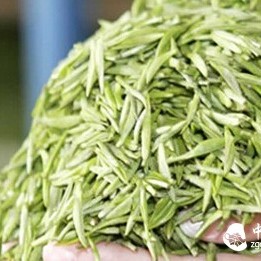
Is Your Stomach Healthy? Whether Healthy or Not, You Should Drink More Tea!
Drinking tea, especially varieties like black tea and ripe Pu-erh, can gently address a range of stomach issues. These teas are warm in nature, have minimal irritation to the stomach, and possess stomach-nourishing properties. Unlike green tea, whose tea polyphenols can irritate the stomach, especia...
Tea News · Mar 17, 2026
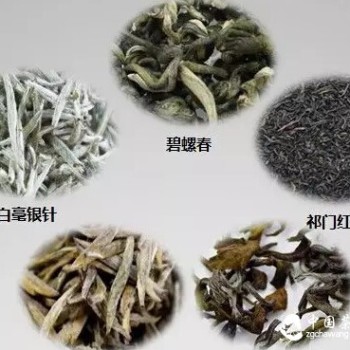
The Relationship Between Tea Fuzz and Quality
Tea fuzz, the fine hairs on tea leaves, plays a significant role in determining tea quality. Originating from the tender buds and young leaves of the tea plant, these hairs contribute to the appearance, aroma, and taste of the final product. For many premium teas, such as Biluochun, Silver Needle, a...
Tea News · Mar 17, 2026
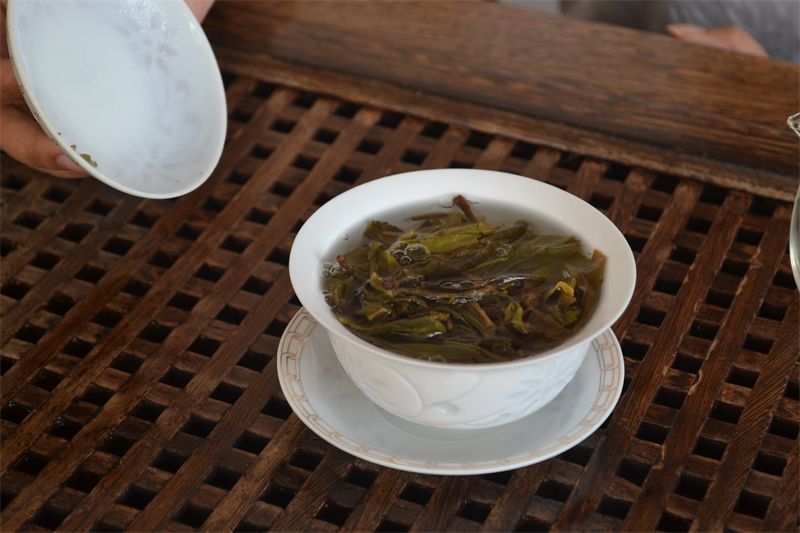
Collecting and Drinking Pu-erh Tea: Older is Not Always Better
Nowadays, more and more people enjoy drinking Pu-erh tea, and many are keen on collecting it. However, there are still misconceptions about its consumption and collection, such as the belief that the older the Pu-erh tea, the better its quality. In reality, this is not necessarily true. According to...
Tea News · Mar 17, 2026
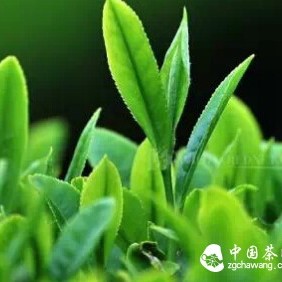
Spring tea is on the market! Teach you three steps to distinguish old tea from new tea.
As spring arrives, new tea buds emerge, and various regions will see a large influx of spring tea in about a week. So, how can one distinguish between old tea and new tea? Experts recommend mastering three methods: looking, smelling, and tasting. First, observe the color and uniformity of the tea le...
Tea News · Mar 16, 2026
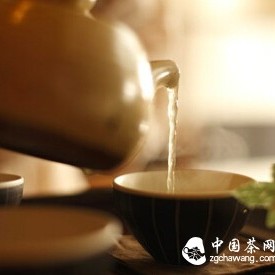
Have a cup of tea when you feel restless!
Drinking tea is simply a way of life. It's not important to be an expert on tea; what matters is drinking it daily. Many people approach tea with excessive caution, claiming they don't understand it. However, tea is not a task or a constraint. It is an enjoyment. Starting with a mindset of relaxatio...
Tea News · Mar 16, 2026
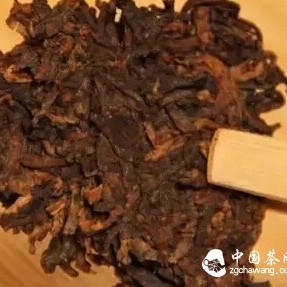
Is it better to drink raw tea or ripe tea?
The choice between raw and ripe Pu-erh tea depends on personal preference and health goals. Ripe tea, which undergoes fermentation, is believed to have enhanced health benefits due to beneficial bacteria, making it suitable for purposes like weight management and blood pressure regulation. It offers...
Tea News · Mar 16, 2026

Five Types of People Who Should Never Drink Chrysanthemum Tea
Chrysanthemum tea is a popular beverage known for clearing the liver and improving vision. However, it is not suitable for everyone. Certain individuals may experience adverse effects. This article highlights five groups who should avoid drinking chrysanthemum tea: pregnant women, due to its cold na...
Tea News · Mar 16, 2026
19 Practical and Useful Ways to Repurpose Tea Leaves!
Instead of discarding used tea leaves, discover their numerous practical applications around the home and for personal care. Tea leaves and leftover tea water can be repurposed in various ways, from skincare and haircare to household cleaning and odor elimination. They can soothe skin irritations, a...
Tea News · Mar 16, 2026
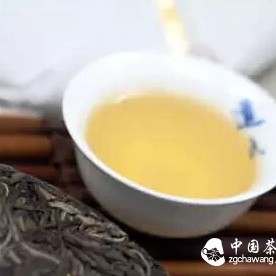
Is Spring Tea Better or Autumn Tea?
The debate over whether spring tea or autumn tea is superior is a common topic among tea enthusiasts, with opinions often divided. Generally, spring tea is widely acknowledged for its rich internal quality and superior overall character, attributed to its longer growth period which accumulates more...
Tea News · Mar 16, 2026
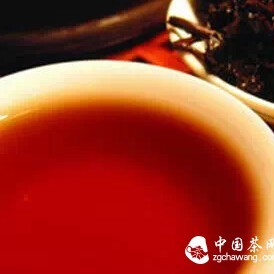
Ripened Tea is the Difficulty and Focus of Pu-erh Tea. Do You Understand Ripened Tea?
Ripened Pu-erh tea is considered the core challenge and focal point within the Pu-erh category. Its complexity stems from significant information asymmetry, making it difficult for consumers and even some experts to fully comprehend. Objectively, barriers like limited access to witness the entire 'w...
Tea News · Mar 16, 2026