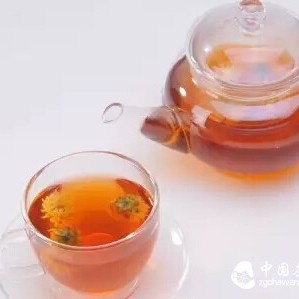
Tea Knowledge Even the 'Tea God' Doesn't Know
This article introduces specialized knowledge about Pu-erh tea, a unique tea from Yunnan, China. It explains the definitions of Pu-erh tea, raw tea (sheng cha , and ripe tea (shou cha , detailing their different processing methods. The guide also provides methods to distinguish between raw and ripe...
Tea News · Mar 11, 2026
Do You Know That the Optimal Tea Brewing Time Is Sixty Seconds?
Tea enthusiasts often believe that tea should be brewed until it develops color to taste smooth and to fully extract its nutrients. But is this true? Data provides insight. Professor Ma Zhaoli from the Qingdao University Chemical Experiment Center conducted a test using Tieguanyin tea as a sample. B...
Tea News · Mar 10, 2026
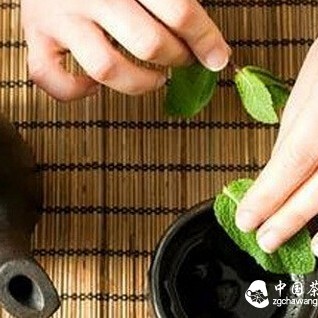
Tea Knowledge: Clever Uses of Tea Leaves in the Kitchen
Tea leaves offer surprising and practical applications in the kitchen beyond brewing. They can effectively neutralize unwanted odors, such as removing the fishy smell from pans or reducing the gaminess of meats like lamb and beef. Soaking fish in weak tea before cooking significantly lessens its fis...
Tea News · Mar 10, 2026
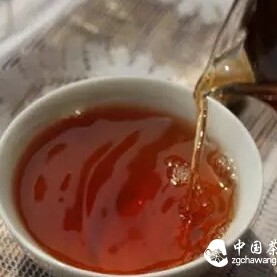
Homemade Potent Slimming Waist and Weight Loss Tea, Say Goodbye to Belly Fat in One Month!
This article introduces several homemade herbal tea recipes designed to target belly fat and achieve a slimmer waist. The teas, such as Pu'er with chrysanthemum, multi-flavored peach blossom tea, lotus leaf tea, and hawthorn tea, aim to promote digestion, boost metabolism, break down fat, and elimin...
Tea News · Mar 10, 2026
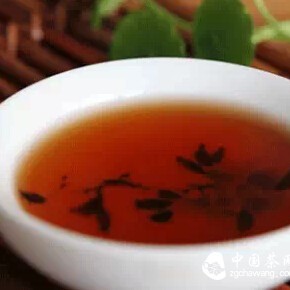
The Nine Major Therapeutic Effects of Drinking Pu-erh Tea
Drinking Pu-erh tea offers a range of potential health benefits supported by traditional use and modern research. It is noted for its antioxidant properties, with studies suggesting its potency surpasses that of green tea. Research indicates potential effects in areas such as reducing fever and infl...
Tea News · Mar 10, 2026
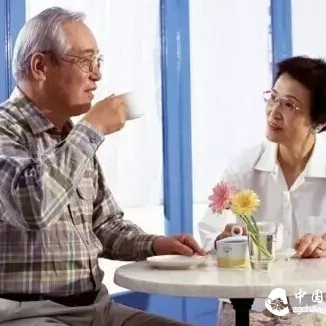
Excessive internal heat, inflammation in the body, dental caries, cavities... Drinking more tea is beneficial for all these conditions
Tea contains various antibacterial components, such as alcohols, aldehydes, esters, and phenols, which possess anti-inflammatory and bactericidal properties. Research indicates that tea polyphenols and tea pigments (theaflavins, thearubigins, theabrownins can effectively inhibit inflammatory factor...
Tea News · Mar 10, 2026
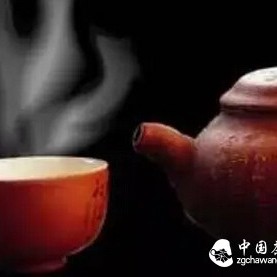
Da Hong Pao Efficacy and Effects
Da Hong Pao, hailed as the 'King of Teas,' is the most renowned tea plant from Wuyi Mountain. It grows on a steep cliff within Jiulongke (Nine Dragons Grotto . The unique microclimate—with a narrow crevice dripping spring water year-round, enriching the soil with organic matter, combined with limite...
Tea News · Mar 10, 2026
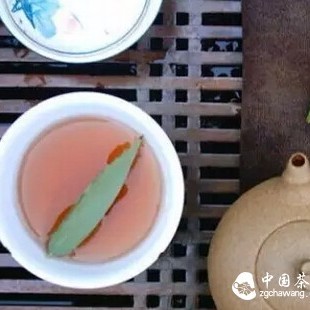
How Much Do You Know About China's Seven Major Tea Categories?
China's tea culture is profound, with teas traditionally categorized into seven major types based on processing methods and fermentation levels: Green Tea (unfermented , Black Tea (fully fermented , Oolong Tea (semi-fermented , Yellow Tea (lightly fermented , White Tea (minimally fermented , Dark Te...
Tea News · Mar 10, 2026
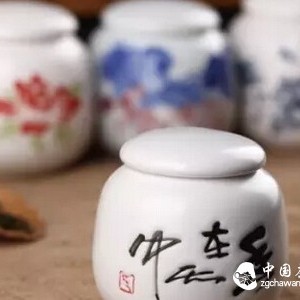
Which is better for storing tea at home: tin canister, porcelain jar, or purple clay jar?
For tea enthusiasts, choosing the right storage container is crucial for preserving the quality and aroma of different teas. Tin canisters are highly regarded for their excellent sealing and oxidation resistance, making them ideal for long-term storage of fragrant teas like Phoenix Dancong. Traditio...
Tea News · Mar 10, 2026
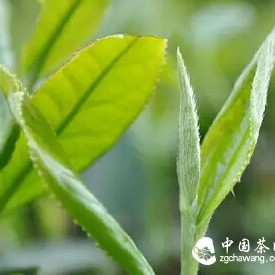
Is White Tea Suitable for Drinking in Winter?
White tea is indeed suitable for winter consumption. Winter's dry climate and consumption of oily or spicy foods can easily lead to internal heat. White tea, a lightly fermented tea made from buds and leaves rich in pekoe through a unique non-rubbing and non-frying process, offers benefits like clea...
Tea News · Mar 10, 2026