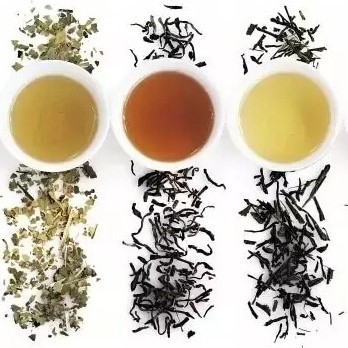
The 'Ten Don'ts' of Drinking Tea
Many people are aware of the numerous benefits of drinking tea. However, it's important to know that improper tea consumption methods can not only negate these benefits but may also be harmful to health. This article outlines ten key situations when one should avoid drinking tea. These include avoid...
Tea News · Mar 12, 2026
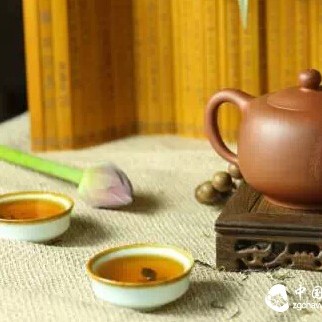
Reasons You'll Regret Not Drinking Pu-erh Tea!
This article presents 14 compelling reasons to drink Pu-erh tea, highlighting its diverse benefits. It explains that raw Pu-erh tea can refresh the mind, while ripe Pu-erh aids sleep. The tea is noted for potential health advantages such as supporting weight management, helping regulate blood pressu...
Tea News · Mar 11, 2026
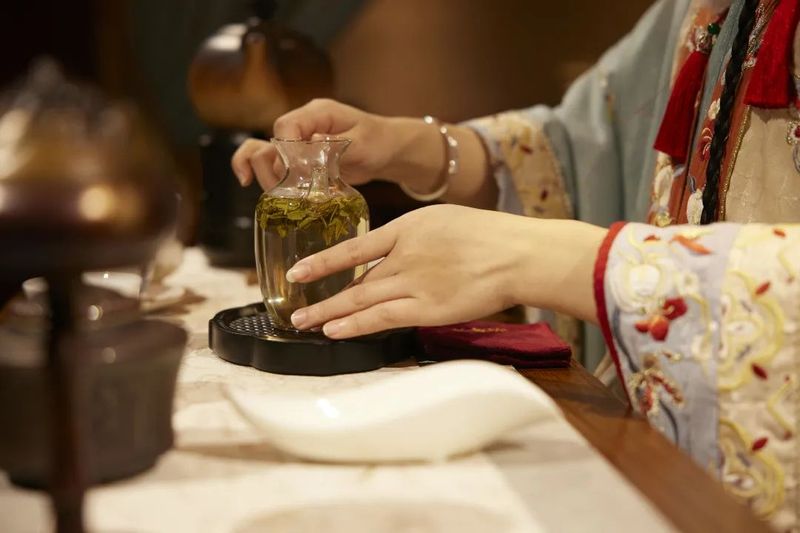
Is Pu-erh Tea More Worth Collecting the More Bitter It Is?
Many tea enthusiasts have heard that a new tea's bitterness indicates it is worth collecting, as it suggests rich internal substances and good potential for aging. However, is a Pu-erh tea more valuable for collection simply because it is more bitter? The bitter and astringent tastes in tea mainly c...
Tea News · Mar 11, 2026
Understanding Foods That Conflict with Tea: Don't Let Good Tea Become 'Poison'!
This article explains various food combinations that may negatively interact with tea, potentially affecting health. It details ten common pairings to avoid, such as tea with meat, eggs, medication, seafood like crab, alcohol, and cold drinks. The interactions can lead to issues like constipation, r...
Tea News · Mar 11, 2026

Amazing, a Cup of Green Tea Solves the "Flu" Problem!!!
The article discusses 'Winter Psychological Flu,' or Seasonal Affective Disorder, a type of depression common in winter, especially among women in colder, low-sunlight regions. Symptoms include low energy and mood, which typically improve in spring. Prevention methods include outdoor exercise, good...
Tea News · Mar 11, 2026
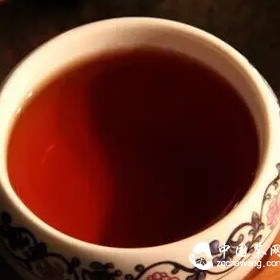
Beauty Pu-erh Tea, The More You Drink, The Healthier You Get
Pu-erh tea is a special type of tea whose processed young leaves improve in flavor and value with age. Regular drinkers know it is excellent for lowering lipids, aiding weight loss, beautifying the skin, reducing blood pressure, and preventing arteriosclerosis. Clinical trials, such as those conduct...
Tea News · Mar 11, 2026

Got Dampness in Your Body? Drink Tea to Flush It Out
In the damp spring season, excess moisture can accumulate in the body, especially for women. Drinking tea is a convenient and effective way to combat dampness, as it promotes diuresis (increased urine production , which helps eliminate excess fluids. Tea also generates body fluids and soothes the th...
Tea News · Mar 11, 2026
99% of People Choose to Drink Tea After Reading This
While coffee is often the go-to choice for office workers staying up late or for afternoon tea gatherings, tea offers comparable benefits without the drawbacks. Unlike coffee, which can cause dependency and potential health risks when consumed excessively, tea provides a natural aroma and lingering...
Tea News · Mar 11, 2026
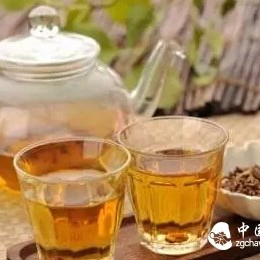
Eight Bad Habits of Drinking Tea for Detoxification and Health Preservation
While tea culture has a long history and drinking tea is believed to help detoxify the body, moisten intestines, and prevent diseases—some even use it for weight loss—it's crucial to be aware of the taboos. Developing bad tea-drinking habits can be detrimental to health. This article summarizes eigh...
Tea News · Mar 11, 2026

Why Do You Sometimes Feel Dry Mouth After Drinking Tea?
Many tea drinkers report experiencing a dry mouth sensation after drinking tea. This phenomenon can be attributed to several factors. Firstly, tea contains polyphenols, which can form a temporary film on the tongue, causing a dry, astringent feeling that often precedes the 'sweet aftertaste' associa...
Tea News · Mar 11, 2026