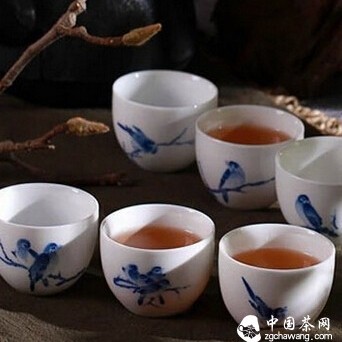
Teaware Selection for Brewing Raw Pu-erh Tea
When brewing raw Pu-erh tea, which is characteristically robust and astringent, the choice of teaware significantly influences the flavor and aroma. For evaluating a new tea's aging potential, a porcelain gaiwan is the optimal choice as it minimally interferes with the tea's natural qualities and al...
Tea News · Mar 15, 2026
Gaining Three Pounds Every Festival, a Cup of Good Tea is Timely
After the festive season, many face the common issue of weight gain. Experts advise against immediate strict dieting or intense exercise, recommending instead a return to normal eating habits and increased tea consumption for gradual adjustment. Various teas offer benefits: Green tea contains tannic...
Tea News · Mar 14, 2026
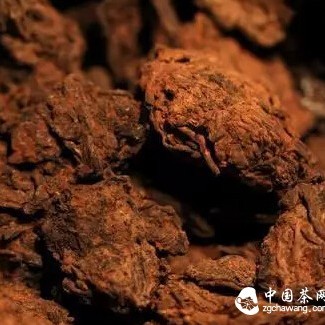
What is Lao Cha Tou? What are the intricacies of collecting Pu-erh Lao Cha Tou?
Lao Cha Tou refers to the clumps of tea leaves that form on the top layer during the pile fermentation process of Pu-erh tea. These clumps, fermented more thoroughly, are separated and stored individually. Rich in pectin, Lao Cha Tou is valued for being exceptionally durable through multiple infusio...
Tea News · Mar 14, 2026
What Tea Do People Drink in 21 Regions of the World?
Tea drinking is a cherished custom across the globe, with each region boasting its own unique traditions and preferred varieties. From Japan's ceremonial matcha and India's ancient spiced chai to Britain's classic milk tea and Turkey's ubiquitous rock tea, the world of tea is incredibly diverse. Thi...
Tea News · Mar 14, 2026

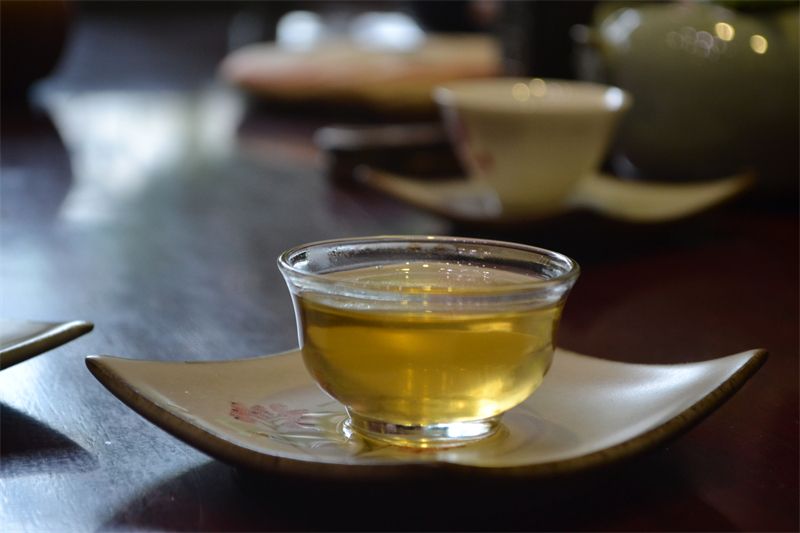
Does Dongting Mountain Biluochun Have Summer and Autumn Tea?
Dongting Mountain Biluochun, a renowned Chinese green tea, is exclusively harvested in spring and does not produce summer or autumn tea. Spring tea benefits from winter dormancy, accumulating nutrients, resulting in vibrant green color, plump leaves, rich aroma, and abundant white hairs. In contrast...
Tea News · Mar 14, 2026
Green Tea + Apple Juice
Drinking green tea with a cup of apple juice not only improves the flavor but also helps control appetite and has diuretic effects, reducing water retention. Consuming it before meals can prevent overeating. Apples are rich in dietary fiber, which aids in relieving constipation. You can prepare a la...
Tea News · Mar 14, 2026
The Culture of China's Five Major Tea Categories
Chinese tea culture is deeply rooted in its processing techniques, particularly fermentation, which defines the tea's color, nutrients, and flavor. The five major tea categories—Green Tea, Black Tea, White Tea, Yellow Tea, and Dark Tea—correspond to the five elements (wood, fire, metal, earth, water...
Tea News · Mar 14, 2026
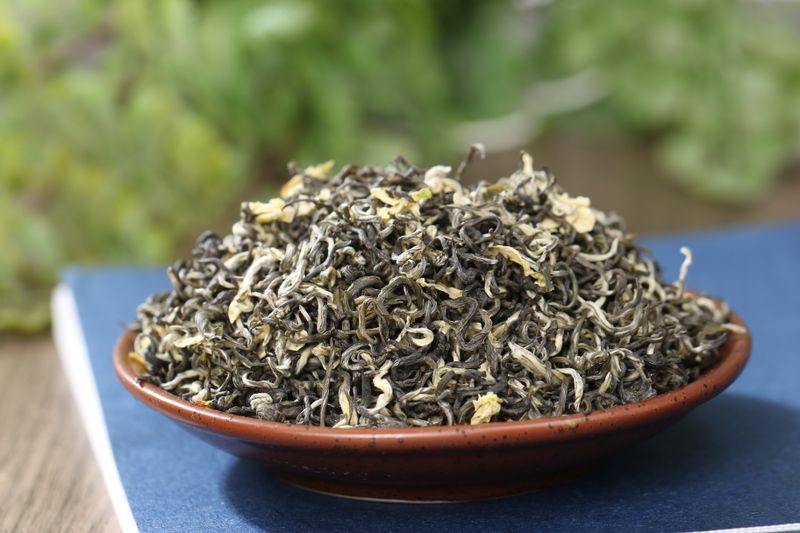
What are the taboos for men drinking tea? Recommended tea beverages that help treat diseases
Tea, a traditional Chinese beverage, offers significant health benefits, including oral protection and fat reduction. However, there are important taboos for men to consider. Tea should not be consumed within 20 minutes before or after meals, as it can dilute stomach acid and hinder the absorption o...
Tea News · Mar 14, 2026