![[Tea Knowledge] How to Choose Autumn Tea](https://blog.teadrops.net/zb_users/cache/thumbs/a7ec2a68c6fb30ca4d05e0e44635b8b8-350-350-1.jpg)
[Tea Knowledge] How to Choose Autumn Tea
Many people are confused about how to choose tea. Experts say that price does not always reflect quality; it often relates to scarcity. To find a good autumn tea, you need to learn simple identification techniques. This article explains how to distinguish autumn tea from spring and summer teas by ob...
Tea News · Jun 18, 2026
Tea is the Medicine for All Illnesses. Have You Had Your Tea Today?
For the Chinese, drinking tea for health preservation is a tradition that has been passed down for thousands of years. In recent years, an increasing number of studies have been conducted on the health benefits of tea: anti-cancer, cardiovascular protection, radiation protection... It seems that all...
Tea News · Jun 18, 2026
The Health Secrets of Dark Tea
Dark tea has been revered by frontier herders since ancient times as the 'drink of life'. Scientific research has revealed that its remarkable health benefits originate from the unique ice-agglomerate geological environment of Anhua. Due to this distinctive environment, dark tea produces 'golden flo...
Tea News · Jun 18, 2026
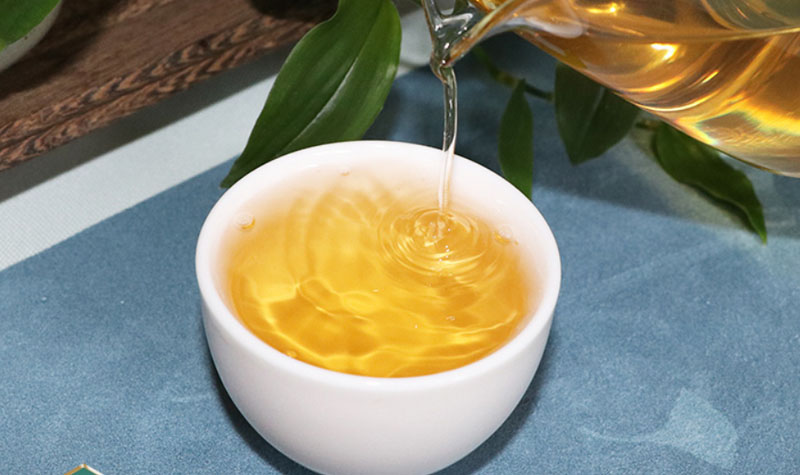
Introduction and Health Benefits of Pagoda Flower Bud Tea
Pagoda flower bud tea is a traditional herbal drink made from the unopened buds of the pagoda tree. It is known for its cooling properties, bitter yet mild taste, and its effectiveness in relieving heatstroke, soothing sore throats, and treating various ailments like diarrhea, nosebleeds, and hemorr...
Tea News · Jun 17, 2026

Do You Know the Eight Wonders and Eighteen Peculiarities of Pu'er Tea?
Pu'er tea, originating from Yunnan, China, is renowned for its unique production process, diverse shapes, and the ability to improve with age. Its eight wonders include its origin, variety, raw materials, craftsmanship, taste, shape, quality, and brewing resilience. The eighteen peculiarities, prese...
Tea News · Jun 17, 2026
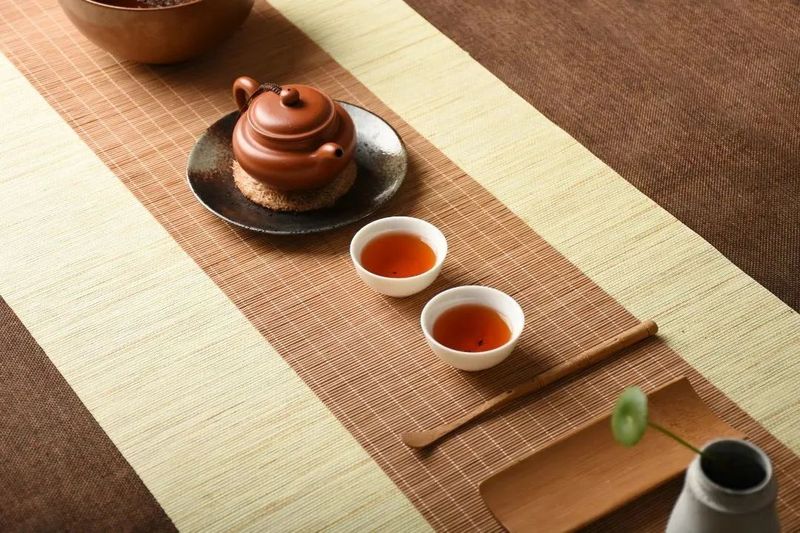
Several Scientific Methods of Tasting Tea
Based on Chinese scientific tea-tasting methods, tea tasting is a highly elegant activity. To truly taste tea requires considerable effort. This article introduces several scientific methods of tea tasting, including appreciating the shape, observing the liquor color, and smelling the aroma, helping...
Tea News · Jun 17, 2026
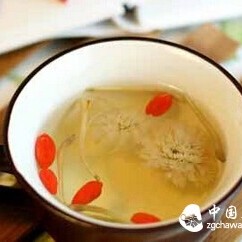
10 Summer Health Teas to Prevent Heatstroke!
Traditional Chinese medicine believes that hot tea is the best choice in summer. Modern medical studies show that caffeine, theobromine, theophylline, and aromatic substances dissolved in hot tea can stimulate the brain, help regulate the body temperature center, strengthen the heart, promote urinat...
Tea News · Jun 17, 2026
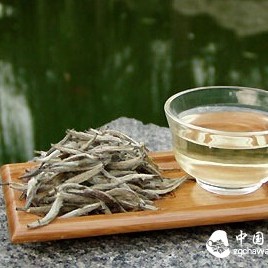
Precautions for Storing White Tea in Different Places
White tea is the most valuable tea for collection. Made with traditional techniques, it requires storage methods similar to ancient herbal medicine: sealed, dry, odor-free, and at room temperature. Storage precautions vary by location, such as at home or in a tea factory....
Tea News · Jun 17, 2026
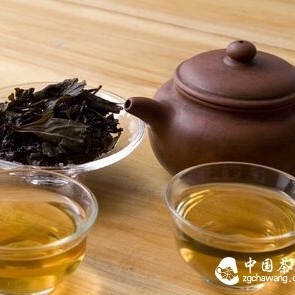
With Dark Tea, No More Fear of 'Gaining Three Pounds Every Holiday'
Autumn is here, and with it comes the tendency to store fat. Dark tea, especially Anhua dark tea, is excellent for cutting grease and aiding digestion. It helps detox, beautify the skin, tighten the body, and fight aging. Drinking it after meals can aid weight loss and prevent rebound effects....
Tea News · Jun 17, 2026
Which Tea Is Healthier? 18 Questions About Tea Drinking
There is no simple answer to which tea is healthier for you, as different teas have varying nutritional and medicinal properties suited to different individuals. For example, people with weaker bodies may benefit from black tea with sugar and milk; young people are advised to drink green tea; and wo...
Tea News · Jun 17, 2026