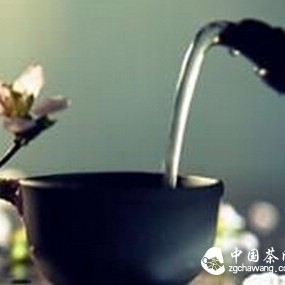
Four Tips on How to Clean Tea Sets
For tea lovers, cleaning tea sets after use can be a challenge, especially when dealing with stubborn tea stains and residue. This guide offers four effective methods. First, rinse the set with clean water immediately after each use. For tougher stains, apply a small amount of toothpaste, spread it...
Tea News · Feb 27, 2026
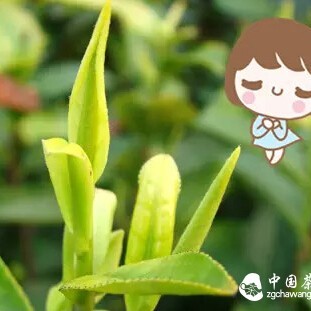
Why is Anji White Tea Called 'White Tea' When It Belongs to Green Tea?
Anji White Tea is a unique tea variety whose name can be misleading. Despite being called 'White Tea,' it is actually processed as a green tea. This is because 'Anji White Tea' refers to a specific cultivar of tea plant whose young leaves appear yellowish-white due to a temperature-sensitive genetic...
Tea News · Feb 27, 2026
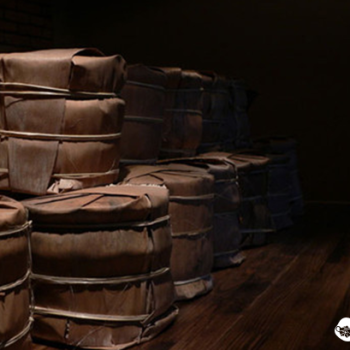
A Perfect Sample: Teaching You How to Store Pu-erh Tea at Home
Whether you are an ordinary person with some tea-drinking habits but not particular about details, or a seasoned tea enthusiast, when you bring Pu-erh tea home, you want to store it properly and give it time to transform. This period is often measured in years, so mastering correct tea storage knowl...
Tea News · Feb 27, 2026
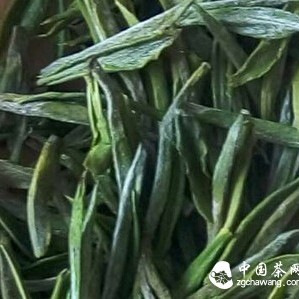
How to Identify the Quality of Anji White Tea with Pictures and Text Analysis?
This article provides a detailed guide on identifying the quality of Anji White Tea through a comparative tasting of five samples. The process includes four main steps: weighing and sampling the tea, evaluating the dry leaves' appearance (assessing color, strip shape, integrity, and cleanliness , br...
Tea News · Feb 27, 2026
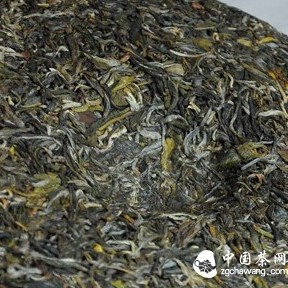
What is the legendary taste of Bingdao?
Bingdao tea, now a leading representative of Yunnan mountain teas, has rapidly become the signature tea of Mengku, Shuangjiang, Lincang, largely due to its distinctive 'Bingdao flavor'. This unique profile is characterized by several key attributes. First is its pronounced sweetness, where any inher...
Tea News · Feb 26, 2026
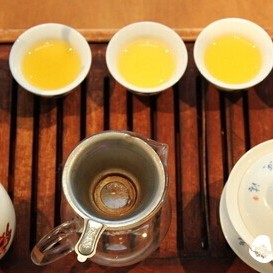
How to Simply Distinguish Between Da Hong Pao, Rou Gui, and Shui Xian
This article provides a simple guide to distinguishing three classic Wuyi rock teas: Shui Xian, Rou Gui, and Da Hong Pao. It describes their unique characteristics starting from the dry leaves to the taste evolution through multiple infusions. Shui Xian (often old bush presents mossy, orchid, and r...
Tea News · Feb 26, 2026
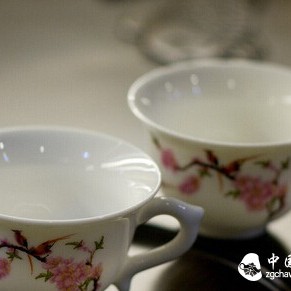
Tips: How to Easily Remove Stubborn Tea Stains from Ceramic Cups
For tea lovers, stubborn tea stains on cups are a common annoyance. This article offers effective cleaning methods. The best practice is to rinse tea sets immediately after use. For neglected, deeply stained cups, applying a small amount of toothpaste, spreading it evenly, waiting a minute, and then...
Tea News · Feb 26, 2026
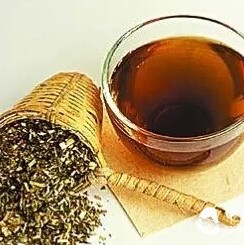
Experts Remind: Drinking Strong Tea for Refreshment Has Four Major Health Disadvantages
Many people enjoy drinking strong tea to refresh themselves, but experts warn that this habit can be harmful to health. Strong tea contains high levels of caffeine, which can lead to insomnia, rapid heartbeat, and negatively affect individuals with heart conditions. It also stimulates excessive stom...
Tea News · Feb 26, 2026
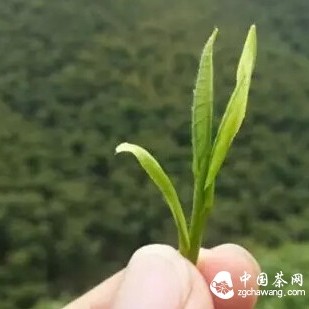
Five Questions about 'Pre-Qingming Tea'
'Pre-Qingming Tea' refers to tea leaves picked and processed before the Qingming Festival (around early April in the Jiangnan tea region of China's Yangtze River basin. It is primarily green tea, with some red tea varieties. Famous examples include West Lake Longjing and Dongting Biluochun. The tea...
Tea News · Feb 26, 2026
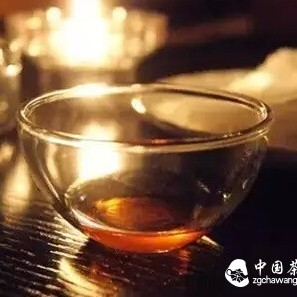
Where Do the Sour, Bitter, and Sweet Tastes in Black Tea Come From?
The distinctive sour, bitter, and sweet tastes in black tea originate from its unique full-fermentation process. Sweetness primarily comes from sugars and amino acids formed during fermentation, with younger tea leaves offering more pronounced sweetness. Sourness often indicates issues like overly d...
Tea News · Feb 26, 2026