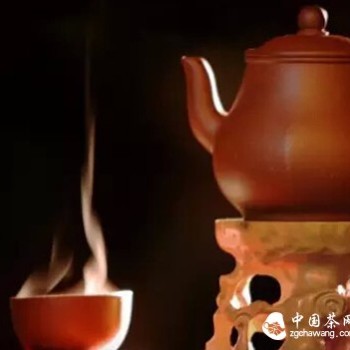
Tea Aroma, Understanding Aroma to Know Tea
The aroma of tea is complex, influenced by factors such as variety, region, cultivation conditions, fresh leaf quality, and processing methods. Finished teas can be categorized into nine main aroma types. For instance, 'Hao Xiang' (pekoe aroma is typical in teas like Silver Needle, characterized by...
Tea News · Mar 01, 2026
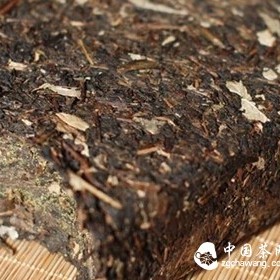
Characteristics of Lotus Fragrance Fu Brick Tea
Lotus Fragrance Fu Tea is a distinctive Fu tea product that masterfully blends the subtle fragrance of lotus with the rich, mellow taste of tea, while also enhancing its health benefits. The tea exudes a delicate aroma with a pleasant fungal scent. The dry tea leaves are tightly compressed and abund...
Tea News · Mar 01, 2026
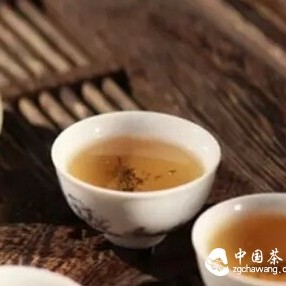
Have You Tried the Four Most Precious Teas in China?
China boasts several legendary teas of immense cultural and monetary value, often inaccessible to the general public. Among the most prized are the mother trees of Wuyi Mountain Dahongpao, once reserved for emperors and fetching astronomical prices at auction; the exclusive 18 imperial Longjing tea...
Tea News · Mar 01, 2026
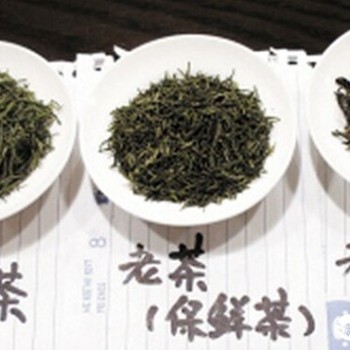
Color, Aroma, Taste: Three Techniques to Teach You How to Distinguish New Tea from Old Tea
This article provides a comprehensive guide on distinguishing new tea from old (or stored tea using three key sensory evaluations: color, aroma, and taste. It explains that while new tea is generally preferred for its freshness, certain types like some oolongs, dark teas, and Pu-erh can improve wit...
Tea News · Mar 01, 2026
Quality Characteristics of Tea in Different Seasons
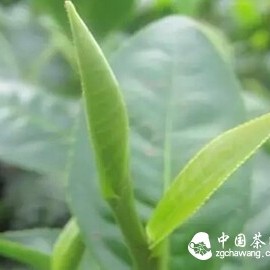
Regardless of the type of tea, the season in which it is harvested and processed significantly impacts its quality. This is due to changes in the biochemical processes of tea plant metabolism under varying external conditions. The distinct quality traits of seasonal teas are essentially shaped by th...
Tea News · Feb 28, 2026
What is the difference between Pre-Qingming tea and Pre-Rain tea?
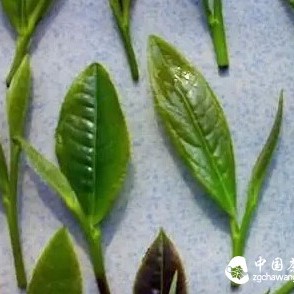
Pre-Qingming tea refers to tea leaves picked before the Qingming Festival (around early April in the Jiangnan tea region of China. It is prized for its tenderness, minimal pesticide use, and delicate flavor with high amino acid content. Pre-Rain tea, picked before the Grain Rain (around mid-late Ap...
Tea News · Feb 28, 2026
Do You Know the Shelf Life of the Six Major Tea Categories?
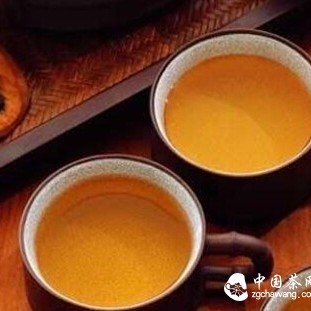
Tea is an integral part of Chinese culture, and drinking a few cups daily offers health benefits. Proper storage is crucial for maintaining tea quality and safety. Different types of tea have varying shelf lives. For example, black tea like Pu'er can improve with age when stored correctly, while gre...
Tea News · Feb 28, 2026
Keep Tieguanyin at home, it can be used as medicine in critical moments!
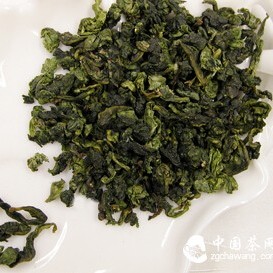
Tieguanyin tea contains high levels of amino acids, minerals, tea polyphenols, and alkaloids, along with various nutritional and medicinal components, offering several practical uses in daily life. It can be applied to treat minor burns or scalds by using a concentrated decoction of the tea leaves....
Tea News · Feb 28, 2026
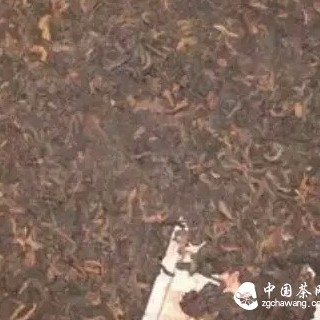
The Hidden Truth Behind Why Pu'er Tea Should Not Be Stored as Loose Tea
High-quality raw Pu'er tea, similar to premium green tea, offers a fresh and sweet taste when brewed at low to medium temperatures. The optimal drinking period begins when the tea leaves turn reddish, the buds and leaves shift from white to light brown, and the surface develops a glossy sheen. At th...
Tea News · Feb 28, 2026
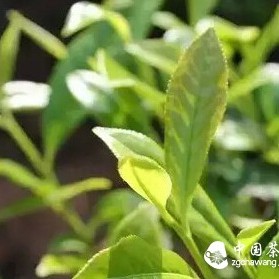
New Tea is Better: Several Tips for Identifying Spring Tea
Spring tea generally refers to tea leaves made from the first buds sprouted by tea plants after overwintering. In China, spring tea is primarily defined by the time period between the Beginning of Spring and before the Grain Rain. As the spring tea season arrives, it's important to know how to ident...
Tea News · Feb 28, 2026