Inheritance and Evolution of the Traditional Charcoal Baking Method for Wuyi Rock Tea
The traditional charcoal baking method for Wuyi Rock Tea is a key part of its production process, listed as a National Intangible Cultural Heritage. It involves initial baking of wet tea leaves ('water-removing bake' and subsequent baking of dry tea ('fire-supplementing', 'fire-absorption', 'stewin...
Tea News · Mar 02, 2026
What are the aroma types of Wuyi Rock Tea?
This article provides a detailed introduction to the aroma characteristics of Wuyi Rock Tea, explaining how to appreciate its fragrance through four main aspects: Dry Aroma, Lid Aroma, Water Aroma, and Cup Bottom Aroma. It distinguishes between different aroma types such as tea fragrance, floral not...
Tea News · Mar 02, 2026
The Aroma of Pu-erh Tea
High-quality Pu-erh tea possesses a variety of delicate and subtle aromatic compounds. Its aroma types can be categorized into six main classes: camphor, lotus, orchid, honey, walnut, and jujube. These aromas often originate from the unique growing environment of the tea trees, such as intermingling...
Tea News · Mar 02, 2026
Classification of Anxi Tieguanyin
Anxi Tieguanyin is primarily classified into three major types based on fermentation level and production techniques: Fragrant Type, Rich Aroma Type, and Aged Aroma Type. The Fragrant Type features a light, slightly sweet taste with a clear, floral aroma and emerald green leaves. The Rich Aroma Type...
Tea News · Mar 02, 2026
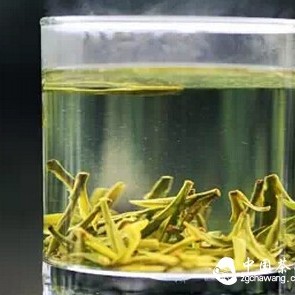
Longjing Tea Should Not Be Brewed with Boiling Water
Longjing tea is a famous Chinese green tea produced in the West Lake area of Hangzhou, Zhejiang Province. It is renowned for its four unique characteristics: green color, rich aroma, sweet taste, and beautiful shape. When brewing Longjing tea, it is recommended to use water at approximately 85°C rat...
Tea News · Mar 02, 2026
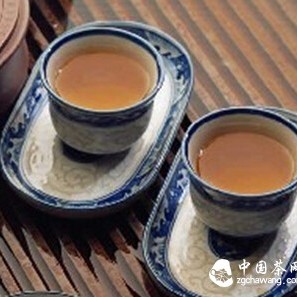
Wuyi Rock Tea Initially Used for Medicinal Purposes
Wuyi Rock Tea is a unique semi-fermented tea produced in the Wuyi Mountains of northern Fujian. It combines the fragrance of green tea with the mellow sweetness of black tea, making it a premium variety of oolong tea. Historically valued for its medicinal properties, it was known as the 'medicine fo...
Tea News · Mar 02, 2026
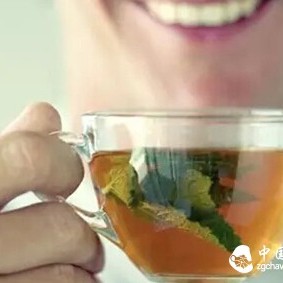
Healthy Tea Drinking Requires Adhering to "12 Don'ts"
To enjoy the full benefits of tea, it is essential to practice healthy tea drinking habits. This involves avoiding certain common mistakes that can diminish tea's health-promoting and longevity-enhancing properties. The key is to remember the "12 Don'ts," which include not drinking tea on an empty s...
Tea News · Mar 01, 2026
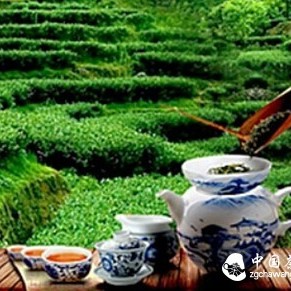
The Difference Between Tieguanyin and Aged Tieguanyin?
This article explains the key differences between standard Tieguanyin tea and Aged Tieguanyin. Standard Tieguanyin is a lightly fermented oolong tea best consumed fresh, typically within one to three months when stored at room temperature, or up to two years if vacuum-sealed and refrigerated. In con...
Tea News · Mar 01, 2026

If you smoke, you must drink more dark tea!
This article discusses the significant health risks of smoking, citing statistics from the World Health Organization. It highlights that while quitting smoking is essential, for those who find it difficult, drinking dark tea can help mitigate some harms. Dark tea contains compounds like tea polyphen...
Tea News · Mar 01, 2026
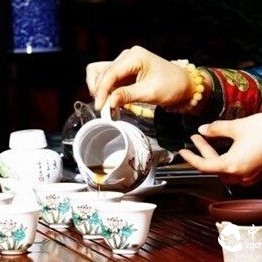
Sorry, the tea says you misunderstood it!
For friends who want to buy tea but don't understand it, choosing tea can be difficult. China is the hometown of tea, yet the types and drinking methods of Chinese tea vary greatly. There is concern about those with insufficient scientific knowledge of tea misleading tea enthusiasts. Therefore, the...
Tea News · Mar 01, 2026