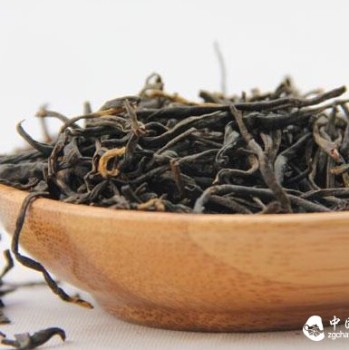
Tea Gifts for Foreign Leaders: Have You Tasted Them?
As a symbol of Chinese culture, tea has always been the preferred diplomatic gift for foreign leaders. This article highlights several famous examples, such as Mao Zedong gifting Keemun black tea and Longjing tea to Stalin, Zhou Enlai offering West Lake Longjing to Kissinger, and Xi Jinping presenti...
Tea News · Jun 05, 2026
Drinking Tea to Sober Up Has Risks: Never Use Tea to Counteract Alcohol
Scientific research shows that tea cannot help with sobering up and can actually worsen intoxication. The theine in tea has strong diuretic effects, which can cause alcohol to enter the kidneys too quickly before it is oxidized, damaging kidney function. Additionally, both tea and alcohol stimulate...
Tea News · Jun 05, 2026
Fourteen Types of Tea Taste to Know Before Tasting Tea
Chinese tea is diverse in flavor due to differences in processing, origin, variety, and leaf quality. Based on long-term practice and research, tea tastes can be broadly classified into fourteen types, such as strong, mellow, fresh, and sweet. Each type corresponds to specific tea varieties and prod...
Tea News · Jun 05, 2026
How to Prevent Teeth from Turning Yellow Due to Tea Drinking?
Many long-time tea drinkers notice their teeth appear yellowish due to tea stains. These stains come from polyphenol oxides in tea attaching to the tooth surface. While ultrasonic cleaning can remove some deposits, deeper discoloration may remain. To prevent staining, it is recommended to rinse the...
Tea News · Jun 05, 2026
People Truly Cannot Go a Day Without Tea
This article gathers various traditional sayings and proverbs about tea, covering topics such as the health benefits of drinking tea, the best seasons and methods for picking and brewing tea, and the cultural importance of tea in daily life. It emphasizes that tea is not only a beverage but also a s...
Tea News · Jun 05, 2026
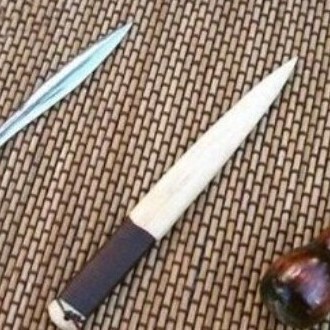
Illustrated Method for Prying Open Pu'er Tea
This article provides a step-by-step illustrated guide on how to pry open compressed Pu'er tea, including tea cakes, mini tuo cha, and tea bricks. It introduces the use of tools like tea knives and tea cones, and emphasizes prying along the gaps and grain of the tea leaves to keep the pieces intact...
Tea News · Jun 05, 2026
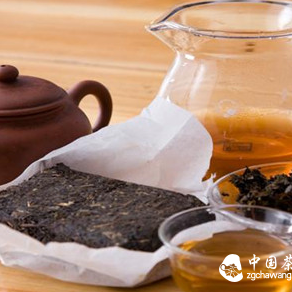
6 Types of Stomachs That Should Drink Dark Tea — Are You One of Them?
Dark tea offers unique health benefits for six common stomach types: the 'soup stomach', 'smoke stomach', 'alcohol stomach', 'stress stomach', 'late-night stomach', and 'junk food stomach'. Each type corresponds to specific lifestyle habits that harm digestion. Drinking dark tea at appropriate times...
Tea News · Jun 05, 2026
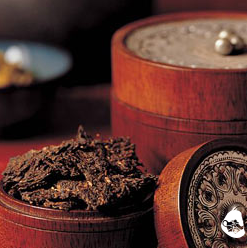
Drink Tibetan Tea to Sober Up and Resolve Fatty Liver
Tibetan tea, with its rich fiber, polysaccharides, pigments, and decomposing enzymes, can accelerate the liver's tricarboxylic acid cycle, shorten the time alcohol stays in the liver, and thus protect the liver. Drinking 30-40g of Tibetan tea daily, combined with a diet low in animal organs and alco...
Tea News · Jun 04, 2026
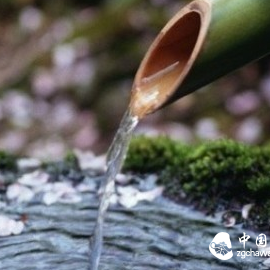
Water Determines the Quality of Tea!
Water is a crucial factor in tea brewing. Even the same tea can taste different at home compared to in a store, often due to water quality. Different water types—such as tap water, spring water, river water, snow water, and well water—each have unique effects on tea's flavor and aroma. While spring...
Tea News · Jun 04, 2026
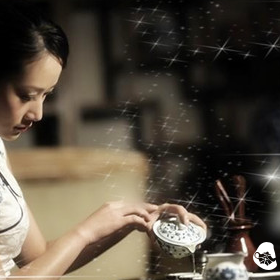
What Tea is Good for Long Hours in the Office?
Office workers often face prolonged exposure to computer radiation, which can harm the skin and various organs. With limited time for exercise, many turn to tea as a health aid. This article introduces several beneficial teas, including green tea for antioxidants and stress relief, goji berry tea fo...
Tea News · Jun 04, 2026