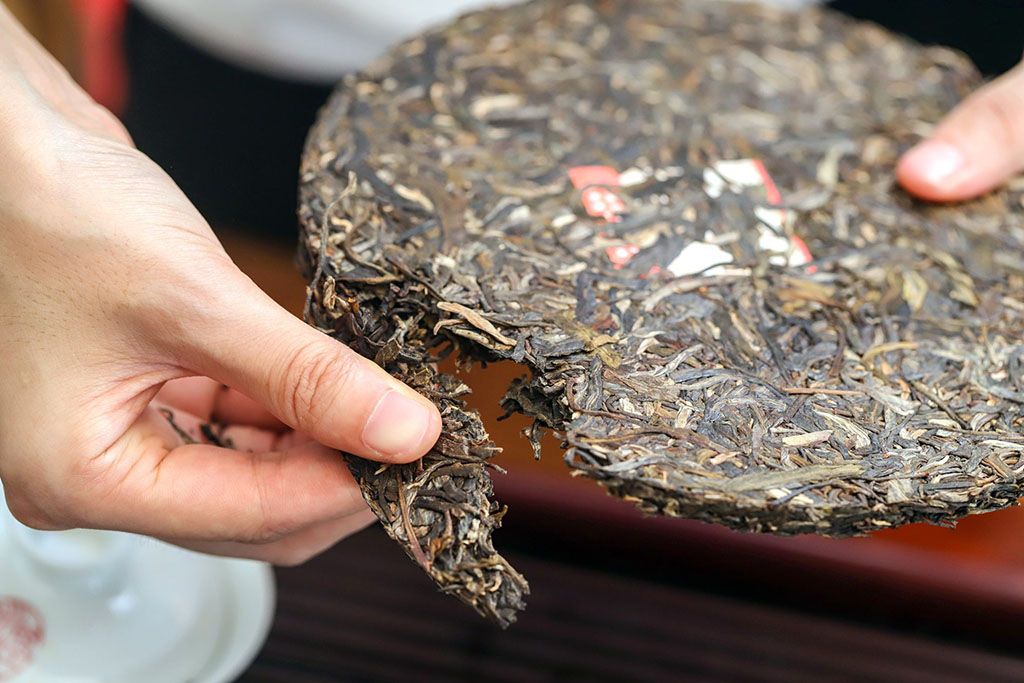
What are the benefits of drinking barley tea
Barley tea has the effects of strengthening the spleen, promoting digestion, relieving heat, and quenching thirst. It is often used to aid weight loss, remove grease, and improve skin and hair health. It can also help with indigestion, summer heat, and loss of appetite....
Tea News · Jun 06, 2026
Can Kuding Tea Help You Lose Weight? What to Note When Drinking Kuding Tea
Kuding tea, despite its bitter taste, has been a popular health tea in China for centuries. It is believed to aid weight loss by reducing body fat without causing diarrhea, loss of appetite, or fatigue. However, due to its cold nature, it is not suitable for everyone, especially those with weak dige...
Tea News · Jun 06, 2026

Efficacy and Precautions of Peppermint Leaf Tea
Traditional Chinese medicine believes that peppermint is cool in nature and pungent in taste, belonging to the lung and liver meridians. When work is tense, people are prone to symptoms of liver qi stagnation such as irritability and insomnia. Eating a little peppermint can help promote metabolism,...
Tea News · Jun 06, 2026
Many Benefits of Women Drinking Black Tea: Ginger Black Tea for Smart Weight Loss
In today's society, women are increasingly assertive and match men in every aspect. However, this often leads to various health issues. In health preservation, how should women take care of themselves? Black tea, being warm in nature, helps nourish the stomach, refresh the mind, and fight bacteria....
Tea News · Jun 06, 2026
Six Types of Tea: Learn All About Them and Choose Your Cup
Chinese tea can be divided into six categories based on processing methods and the degree of fermentation: green tea (unfermented , white tea (lightly fermented , yellow tea (lightly fermented , oolong tea (semi-fermented , black tea (fully fermented , and dark tea (post-fermented . Their appearance...
Tea News · Jun 06, 2026
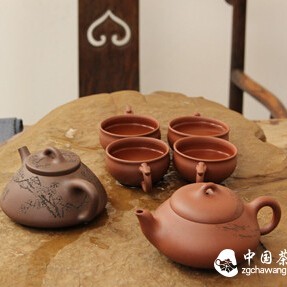
Taboos of Kuding Tea: Which Women Are Not Suitable to Drink Kuding Tea
Kuding tea is a popular health tea with effects like clearing heat and detoxifying, but it is not suitable for everyone. Women with cold body constitution, chronic gastroenteritis, those during menstruation, and new mothers should avoid drinking Kuding tea to prevent worsening symptoms such as cold...
Tea News · Jun 06, 2026
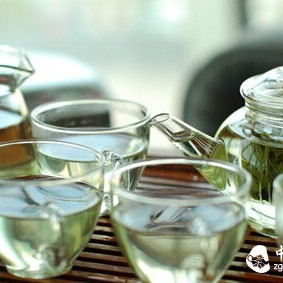
DIY Slimming Green Tea Recipes
Green tea is a favorite health beverage for many, and it is also believed to aid weight loss. This is true. By combining green tea with other natural ingredients, you can create effective homemade slimming teas. This article introduces three simple DIY green tea recipes using ingredients like hawtho...
Tea News · Jun 06, 2026
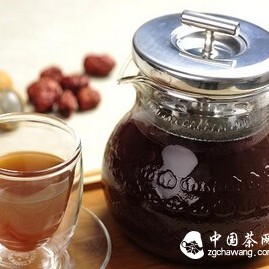
Replenishing Qi and Blood: How to Make Longan, Red Date, and Goji Berry Tea
Longan, red date, and goji berry tea is an excellent remedy for replenishing qi and blood. It is especially suitable for people who use their voice frequently, such as teachers and sales staff, as well as office workers who spend long hours in front of computers. The tea helps improve complexion, re...
Tea News · Jun 05, 2026
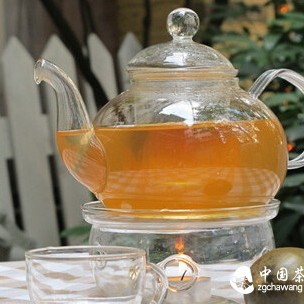
Summer Homemade Cassia Seed Weight Loss Tea
How to lose weight most effectively in summer? Drinking a cup of refreshing weight loss tea in the hot summer can both cool down and reduce fat. What kind of weight loss tea has the best effect? This article introduces a summer-appropriate homemade weight loss tea — Cassia Seed Weight Loss Tea. Here...
Tea News · Jun 05, 2026
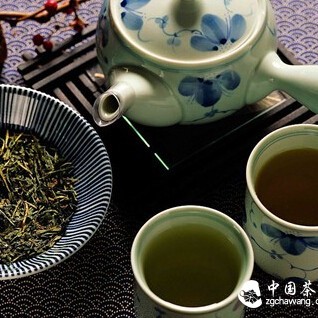
Classification and Quality Identification Methods of Eucommia Tea
Eucommia tea is a health tea made from the original leaves harvested from the Eucommia tree. According to the picking and processing methods, it can be divided into three grades: first-grade bud tip Eucommia tea, second-grade tender leaf Eucommia tea, and third-grade mature leaf Eucommia tea. Qualit...
Tea News · Jun 05, 2026