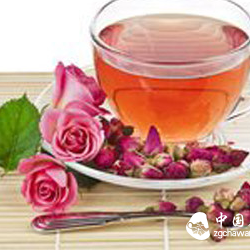
Detailed Explanation of the 11 Major Health Benefits of Tea
Tea has become a common beverage in people's lives, loved for its ability to promote health and longevity. Long-term tea drinking can slow aging and prevent various diseases. According to traditional Chinese medicine, tea has bitter taste and enters the five organs, helping to remove dampness, purge...
Tea News · Jun 02, 2026
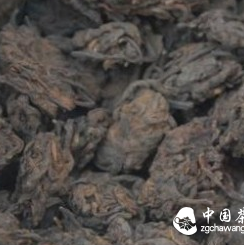
A Brief Talk on Old Tea Heads
Old tea heads are formed during Pu'er fermentation when tender buds release pectin, causing some tea to clump together. Their flavor is mild, tender, and aromatic, bridging raw and ripe Pu'er. They are gentle on the stomach, suitable for all ages, and can be steeped up to 20-30 times. The best resul...
Tea News · Jun 02, 2026
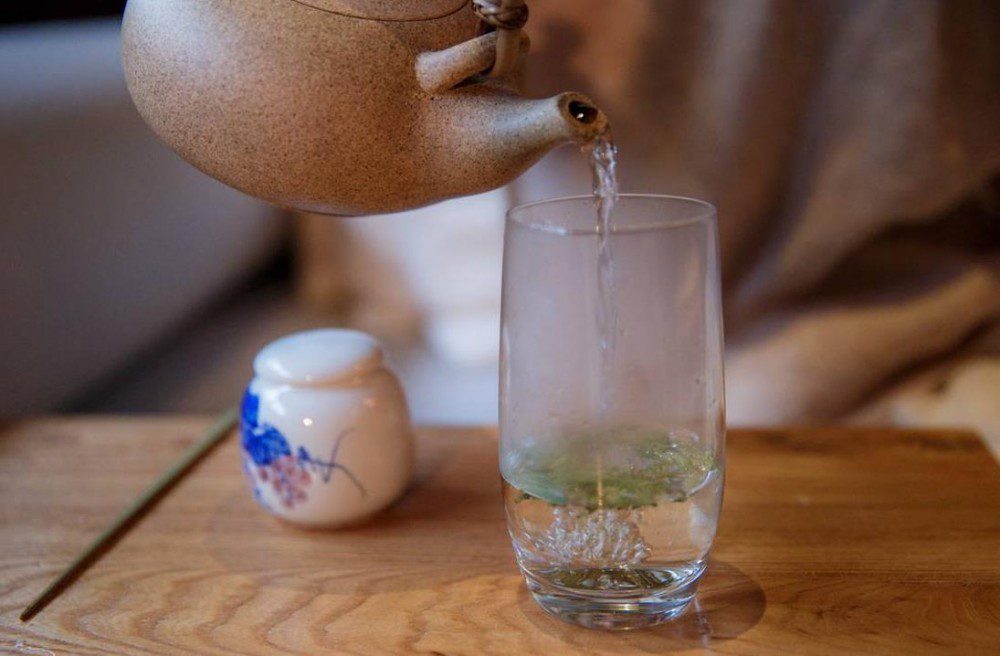
Exposing the Century-Long Lie in the Tea World: The Secrets of the First Infusion
This article thoroughly debunks the common practice of discarding the first infusion of tea, revealing it as a major misconception in the tea world. It analyzes three popular justifications: washing away pesticide residues, removing impurities, and the belief that the first infusion tastes bad. The...
Tea News · Jun 02, 2026
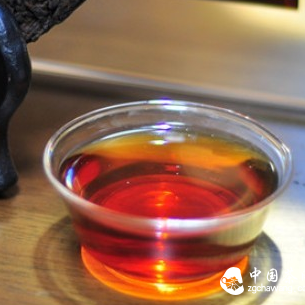
A Cup of Pu'er Tea Saves the "All-Nighter"
For those who often stay up late, Pu'er tea proves to be a healthier alternative to coffee, energy drinks, and other teas. It not only helps with alertness but also soothes the stomach, promotes better sleep, and reduces frequent urination. The article recommends ripe Pu'er tea as it is gentle on th...
Tea News · Jun 01, 2026
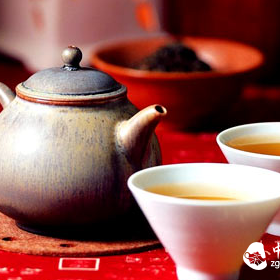
National Day, Giving Tea Equals Giving Health
On National Day, giving tea as a gift is recommended because tea is not only a national drink carrying profound culture but also a health-promoting beverage. It symbolizes tradition, refinement, and care for loved ones. With its numerous health benefits such as detoxification, digestion aid, and ant...
Tea News · Jun 01, 2026
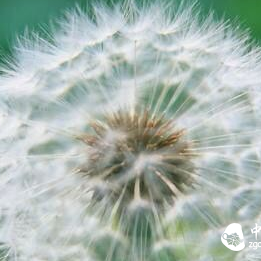
Going Home for National Day, Cool Autumn Needs Good Tea
As the weather turns cool and the National Day holiday arrives, many people choose to relax, connect with nature, or visit parents. This article recommends several suitable teas for autumn wellness, including dandelion tea, jasmine tea, rose tea, honeysuckle tea, and chrysanthemum tea, each with uni...
Tea News · Jun 01, 2026
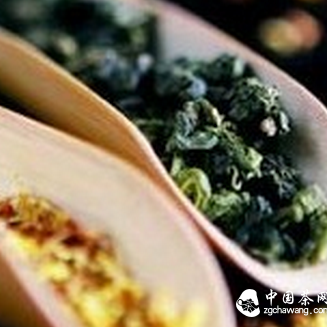
Long National Day Holiday, Enduring Tea Fragrance: Savoring Osmanthus Oolong Tea
On a tea lover's table, fine teas from Chaoshan's Phoenix Dan Cong to Sri Lanka's Uva tea are all welcome. Osmanthus, known for its elegant and lasting fragrance, is often used to scent tea. When osmanthus flowers are used to scent oolong tea, especially Tieguanyin, the result is the renowned Osmant...
Tea News · Jun 01, 2026
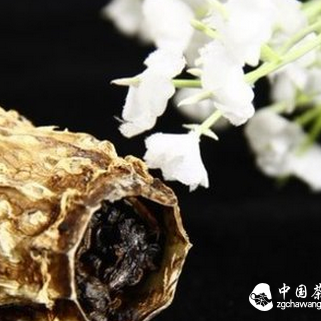
National Day Specialty Tea — Bitter Gourd Tea
Bitter gourd, also known as cool gourd, is considered in traditional Chinese medicine to have a cold and bitter nature, benefiting the heart, lungs, and stomach by clearing heat, quenching thirst, beautifying the skin, and boosting metabolism. Rich in nutrients, it helps prolong life and strengthen...
Tea News · Jun 01, 2026
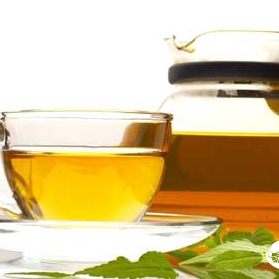
Showing Filial Piety on National Day, Tea Gift Is the Most Heartwarming
On the National Day holiday, returning home and bringing a tea gift for parents is a thoughtful way to express gratitude and care. The article introduces three types of tea: Oolong tea, which helps lower blood lipids and fight aging; Black tea, which warms the stomach and regulates spleen function;...
Tea News · Jun 01, 2026