
Why Does Pu'er Tea Have a Smoky Flavor?
Many people notice a smoky flavor when tasting certain Pu'er teas. This phenomenon can be caused by the tea's own characteristics or processing methods. Light smoky notes may fade over time and can even enhance the tea's quality, while strong, irritating smoky flavors often result from poor processi...
Tea News · May 20, 2026
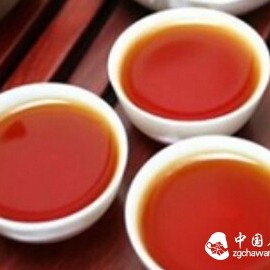
Taste the World's Four Great Black Teas
Black tea originated in China, with the earliest known variety being Fujian Lapsang Souchong from the 17th century. The world's four famous black teas are Keemun, Assam, Darjeeling, and Ceylon Highland. Keemun, from Anhui, China, is known for its orchid fragrance. Assam, from India, has a strong mal...
Tea News · May 20, 2026
It is said that tea is nutritious. What exactly is in tea?
The article explains the key nutritional components found in tea, including tea polyphenols (antioxidants , amino acids (especially theanine , alkaloids like caffeine, various vitamins, fluoride for dental health, and carbohydrates. These components contribute to tea's health benefits such as anti-a...
Tea News · May 20, 2026
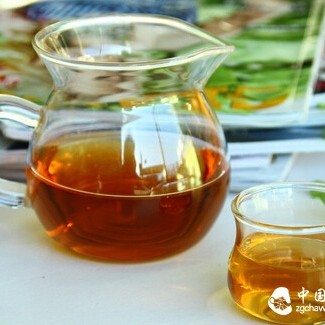
The Best Tea for Cold Winter: Drink Black Tea to Prevent Colds and Warm the Stomach
In the chilly winter, holding a steaming cup of black tea is a true pleasure. Black tea is warm in nature, helps prevent colds, and strengthens the body's resistance to cold. It enhances heart circulation, strengthens bones, and reduces the risk of flu, stroke, and skin cancer. Drinking black tea in...
Tea News · May 20, 2026
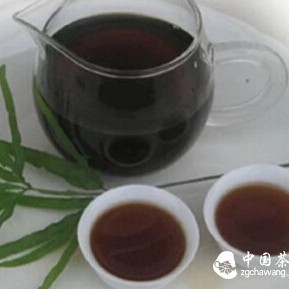
Five Tips for Identifying High-Quality Dark Tea
Dark tea has antioxidant, anticancer, and blood sugar-lowering effects. But do you know how to select high-quality dark tea? There are five key techniques for identifying dark tea: observing its appearance, examining the tea liquor, smelling its aroma, tasting its flavor, and checking the brewed lea...
Tea News · May 19, 2026
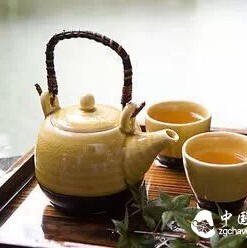
Standard Method of Drinking Pu'er Tea
Pu'er tea has a unique aroma and offers health benefits such as nourishing the stomach, detoxifying, reducing blood pressure, blood sugar, and blood lipids, as well as aiding weight loss and beautifying the skin. It is a type of Chinese tea, so there are certain considerations when brewing it. This...
Tea News · May 19, 2026
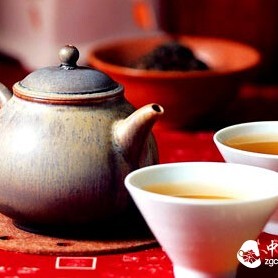
A Cup of Tea After Meals Can Reduce Vascular Pressure
After a heavy meal, blood lipid levels rise, triggering harmful substances like oxygen free radicals that cause temporary hardening and constriction of blood vessels, especially in patients with cardiovascular disease. Japanese researchers recently found that drinking a cup of tea after a meal can e...
Tea News · May 19, 2026
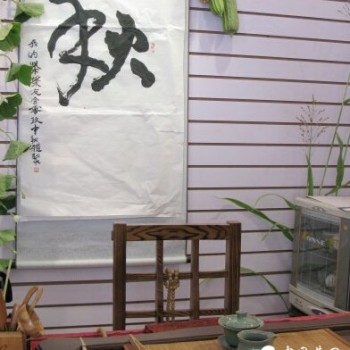
Enjoy the Taste of Tea in Autumn
As autumn arrives with dry and cool weather, it is suitable to drink oolong tea, which is mild in nature and helps moisten the lungs and relieve dryness. For those who dislike oolong, chrysanthemum tea, especially Hangzhou white chrysanthemum, is a good choice to clear the liver and improve eyesight...
Tea News · May 19, 2026
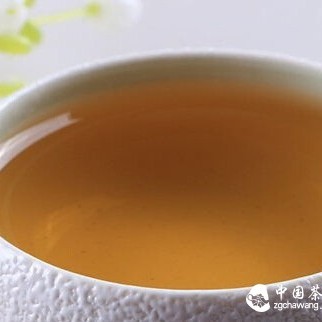
Is There “MSG” in Tea Soup?
The most abundant amino acid in tea soup is theanine, accounting for more than half of the total amino acids. Theanine provides a fresh and umami flavor similar to MSG. Fresh teas, especially green and white teas made from tender buds, have higher theanine content. Theanine also helps boost immunity...
Tea News · May 19, 2026
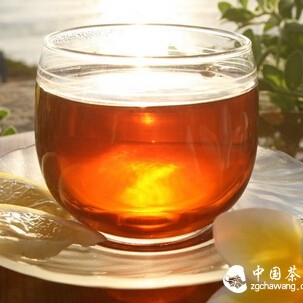
Although black tea is good, you also need to pay attention when drinking it!
Although black tea has many benefits, everything has two sides, so there are also precautions to take when drinking it. New tea is not necessarily better when fresh; improper drinking can easily harm the stomach. Newly picked tea stored for a short time contains more unoxidized polyphenols, aldehyde...
Tea News · May 19, 2026