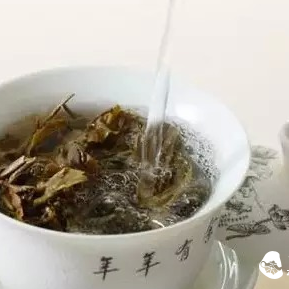
Why Does Pu-erh Tea Produce White Foam on the Surface When Brewed?
When brewing Pu-erh tea, many tea enthusiasts notice the appearance of white foam on the surface. This phenomenon primarily stems from two causes: the intrinsic qualities of the tea leaves themselves and human factors during the production process. Firstly, tea leaves contain saponins, which natural...
Tea News · Feb 07, 2026
Do You Believe That Drinking Pu-erh Tea Long-Term Can Cure Diseases?
Traditional Chinese medicine believes that Pu-erh tea has the effects of clearing heat, relieving restlessness, aiding digestion, and promoting urination. Modern pharmacological research has found that Pu-erh tea can help with weight loss, lower blood pressure, prevent arteriosclerosis, fight cancer...
Tea News · Feb 02, 2026
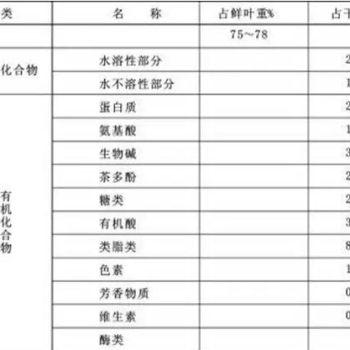
Composition Table of Pu-erh Tea Fresh Leaves
This article explains the composition characteristics of Pu-erh tea fresh leaves. It takes approximately 4-5 kilograms of fresh leaves to produce 1 kilogram of rough tea, primarily because fresh leaves contain 75-78% water. Pu-erh tea leaves have a high content of tea polyphenols, higher than other...
Tea News · Feb 02, 2026

Main Components of Pu-erh Tea Dry Matter
The chemical composition of Pu-erh tea is similar to that of general tea, but it is characterized by 'three highs and one low' due to the use of Yunnan large-leaf varieties. This refers to high contents of tea polyphenols, alkaloids, and water extracts, and a low content of amino acids. The main com...
Tea News · Feb 02, 2026
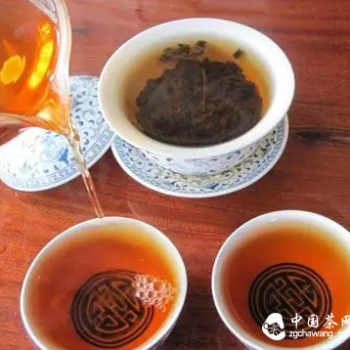
Actually, You Should Drink More Pu-erh Tea in Summer
Summer is the perfect season to enjoy Pu-erh tea, as it can be consumed chilled without losing quality—in fact, its taste becomes even sweeter and smoother when cold. This unique characteristic sets Pu-erh apart from other teas. It offers numerous health benefits, making it particularly suitable for...
Tea News · Feb 01, 2026
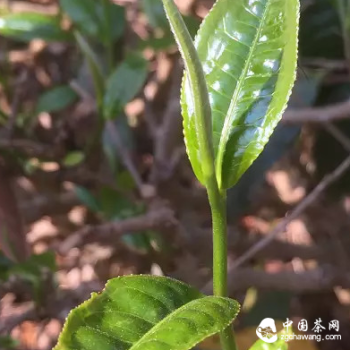
The Real Secret of Pu-erh Tea's Lipid-Lowering Effect, According to Doctors!
Pu-erh tea is widely believed to aid in weight loss and lipid reduction, but its complex composition made its exact mechanism a mystery. Traditional pharmacological models struggled to pinpoint specific active compounds among hundreds. However, recent medical research utilizing big data and metabolo...
Tea News · Jan 30, 2026
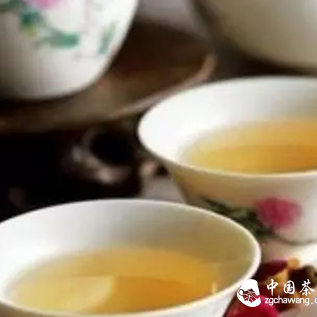
The Difference Between 'Savoring' and 'Drinking' Pu-erh Tea Is Actually Like This!
The article explores the nuanced distinction between 'savoring' (品 and 'drinking' (喝 Pu-erh tea. 'Savoring' implies a leisurely, cultural activity often shared among friends, focusing on the tea's depth, aroma, and heritage. It requires time and appreciation for subtle flavors. In contrast, 'drink...
Tea News · Jan 29, 2026
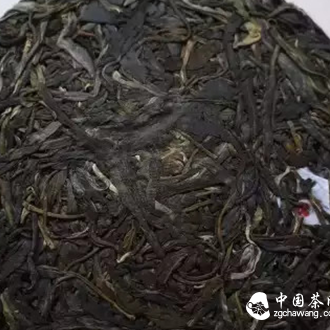
Why is Pu-erh Tea Pressed into Cakes?
Originally, pressing Pu-erh tea into cakes was primarily to reduce transportation losses caused by inconvenient traffic conditions during a certain historical period. Pressing tea into compact cakes minimizes the impact of moisture absorption and evaporation, better preserving microorganisms and aro...
Tea News · Jan 28, 2026
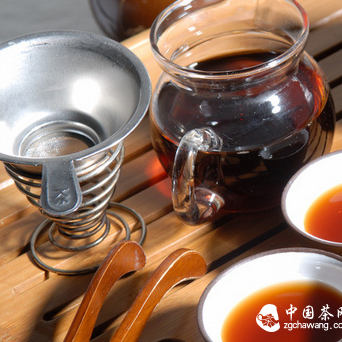
Do You Really Need to Drink Pu-erh Tea?
This article questions the motivations behind drinking Pu-erh tea, moving beyond its famed 'aging' property and robust flavor. It suggests that similar experiences can be found in other teas like Wuyi Rock tea or Liubao tea. The core message urges readers to introspect whether their interest is genu...
Tea News · Jan 27, 2026
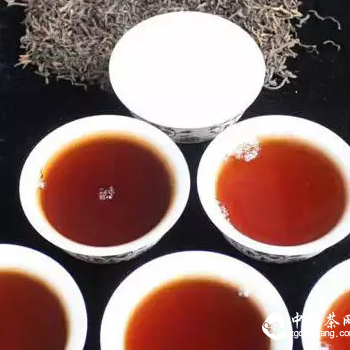
How to Choose the Right Pu-erh Tea for Myself?
Choosing the right Pu-erh tea depends primarily on your body constitution and goals. For individuals with a 'deficient heat' constitution prone to issues like internal heat, constipation, or acne, raw (sheng Pu-erh or lightly fermented varieties are suitable. If opting for cooked (shu Pu-erh but d...
Tea News · Jan 26, 2026