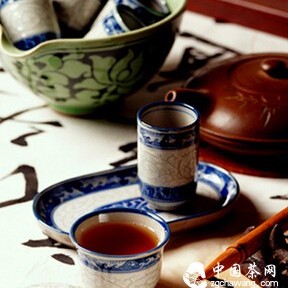
Eight Reasons for Slightly Turbid Tea Soup Color of Pu-erh Tea
The slightly turbid appearance of Pu-erh tea soup can be attributed to eight main reasons. These include overly vigorous or rapid water pouring during brewing, the tea being in a transitional phase (such as sun-dried green tea aged 1-2 years or baked green tea around 4 years , or newly processed rip...
Tea News · Mar 07, 2026
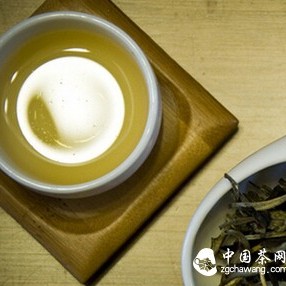
Washing Face with Pu-erh Tea Can Achieve Whitening Effect
Using Pu-erh tea to wash the face is believed to have skin-whitening effects. The tea liquid left after drinking Pu-erh tea can be applied to the face by gently patting it on, mixing it with honey, or using a cotton pad soaked in the tea before rinsing with water. Regular use is said to help remove...
Tea News · Mar 06, 2026
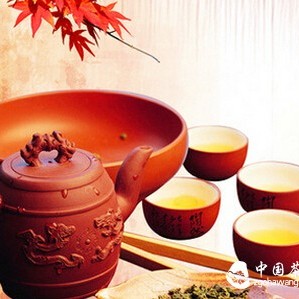
Different Ways of Drinking Pu-erh Tea for Different Groups of People
Pu-erh tea, renowned as the 'champion of weight loss,' offers distinct slimming effects. However, drinking methods vary based on individual needs, physical constitution, and age. As a premium variety of black tea, Pu-erh is celebrated by tea enthusiasts as a holy grail for beauty, boasting unique he...
Tea News · Mar 06, 2026
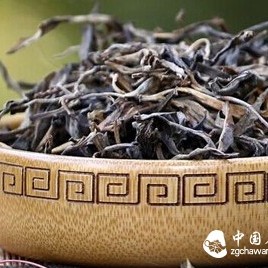
Good Pu-erh Tea Should Be Like This
This article outlines the key characteristics of good Pu-erh tea, distinguishing between raw (sheng and ripe (shou varieties. For good raw Pu-erh, it emphasizes aroma (dry leaf, cup, and wet leaf fragrance , bitterness and astringency that dissipate quickly, strong and lasting salivary secretion (...
Tea News · Mar 05, 2026

Shocked! This is the Secret of Women Who Drink Tea!
The article explores the unique qualities of women who regularly drink tea, particularly Pu-erh tea. It highlights ten key benefits, suggesting that such women tend to be healthier, age more gracefully, and maintain better figures due to tea's antioxidant and metabolic properties. Furthermore, they...
Tea News · Mar 05, 2026
10 Tips for Pu-erh Tea Beginners
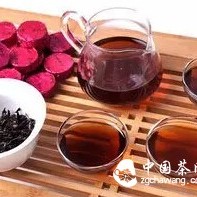
For newcomers to Pu-erh tea, it's important to avoid direct comparisons with other teas like oolong or green tea, as Pu-erh differs in aroma, processing, and value. Focus on learning through observation, asking questions, and tasting before purchasing. Be cautious of marketing terms like 'wild,' 'ce...
Tea News · Mar 04, 2026

Will Drinking Pu-erh Tea Cause Internal Heat in Summer?
The question of whether drinking Pu-erh tea causes internal heat in summer depends on the type of tea and individual body constitution. Ripe (shou Pu-erh tea, being warm in nature, may contribute to internal heat if consumed excessively during summer, especially for those prone to heatiness. In con...
Tea News · Mar 03, 2026
The Aroma of Pu-erh Tea
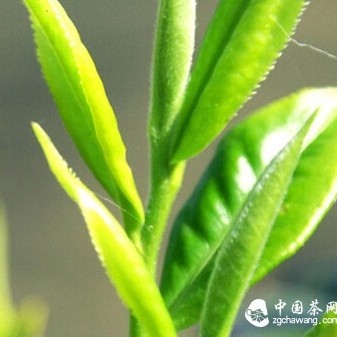
High-quality Pu-erh tea possesses a variety of delicate and subtle aromatic compounds. Its aroma types can be categorized into six main classes: camphor, lotus, orchid, honey, walnut, and jujube. These aromas often originate from the unique growing environment of the tea trees, such as intermingling...
Tea News · Mar 02, 2026

A Perfect Sample: Teaching You How to Store Pu-erh Tea at Home
Whether you are an ordinary person with some tea-drinking habits but not particular about details, or a seasoned tea enthusiast, when you bring Pu-erh tea home, you want to store it properly and give it time to transform. This period is often measured in years, so mastering correct tea storage knowl...
Tea News · Feb 27, 2026
The Distance Between You and a Good Cup of Pu-erh Tea is the Distance of the Heart
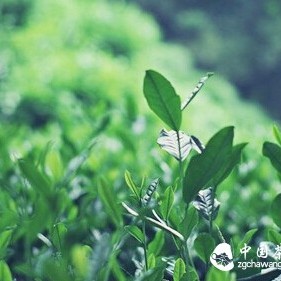
A good cup of Pu-erh tea is defined by its origin in pristine natural environments with lush vegetation and ancient trees, and by adherence to traditional ecological farming and artisanal processing methods like sun-drying and hand-firing. The true distance to appreciating such tea lies not in physi...
Tea News · Feb 26, 2026