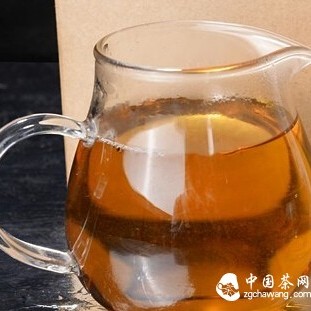
Pu-erh Tea Has a Big Problem!
While Pu-erh tea is widely recognized as a healthy beverage, its applications extend far beyond drinking. This article highlights ten practical and lesser-known uses for Pu-erh tea in daily life. These include using concentrated Pu-erh tea as a natural food coloring and flavor enhancer for dishes li...
Tea News · Mar 13, 2026
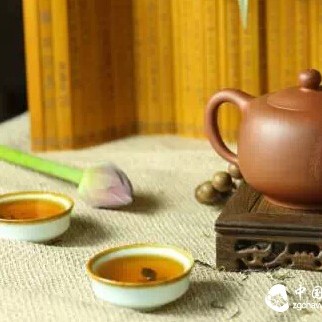
Reasons You'll Regret Not Drinking Pu-erh Tea!
This article presents 14 compelling reasons to drink Pu-erh tea, highlighting its diverse benefits. It explains that raw Pu-erh tea can refresh the mind, while ripe Pu-erh aids sleep. The tea is noted for potential health advantages such as supporting weight management, helping regulate blood pressu...
Tea News · Mar 11, 2026
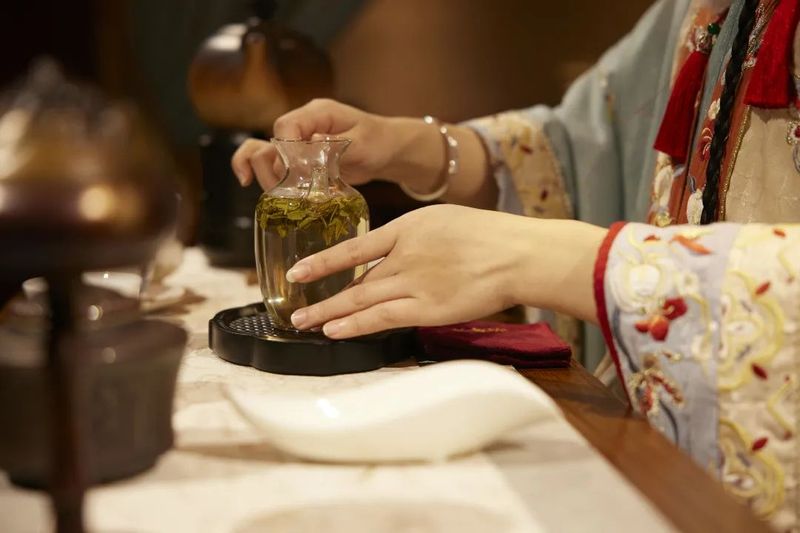
Is Pu-erh Tea More Worth Collecting the More Bitter It Is?
Many tea enthusiasts have heard that a new tea's bitterness indicates it is worth collecting, as it suggests rich internal substances and good potential for aging. However, is a Pu-erh tea more valuable for collection simply because it is more bitter? The bitter and astringent tastes in tea mainly c...
Tea News · Mar 11, 2026
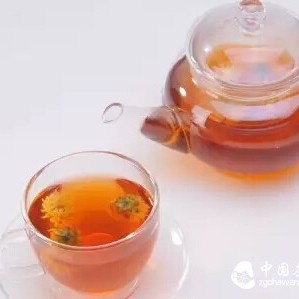
Tea Knowledge Even the 'Tea God' Doesn't Know
This article introduces specialized knowledge about Pu-erh tea, a unique tea from Yunnan, China. It explains the definitions of Pu-erh tea, raw tea (sheng cha , and ripe tea (shou cha , detailing their different processing methods. The guide also provides methods to distinguish between raw and ripe...
Tea News · Mar 11, 2026
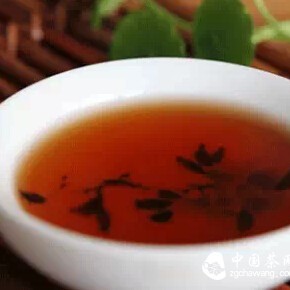
The Nine Major Therapeutic Effects of Drinking Pu-erh Tea
Drinking Pu-erh tea offers a range of potential health benefits supported by traditional use and modern research. It is noted for its antioxidant properties, with studies suggesting its potency surpasses that of green tea. Research indicates potential effects in areas such as reducing fever and infl...
Tea News · Mar 10, 2026

Excessive internal heat, inflammation in the body, dental caries, cavities... Drinking more tea is beneficial for all these conditions
Tea contains various antibacterial components, such as alcohols, aldehydes, esters, and phenols, which possess anti-inflammatory and bactericidal properties. Research indicates that tea polyphenols and tea pigments (theaflavins, thearubigins, theabrownins can effectively inhibit inflammatory factor...
Tea News · Mar 10, 2026
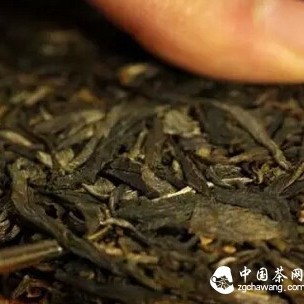
What are the advantages of ancient tree Pu-erh tea?
Ancient tree Pu-erh tea refers to tea made from trees over a hundred years old, primarily found in Yunnan's Xishuangbanna, Lincang, and Pu-erh tea regions. It is highly valued for its ecological cultivation, rich flavor, and aging potential. Grown in fertile soil without chemical fertilizers or pest...
Tea News · Mar 09, 2026
As a tea person, you should know at least these 20 tea knowledge points
Chinese tea culture is profound and extensive. This article compiles 20 essential pieces of knowledge for tea enthusiasts, aiming to clarify common misconceptions and deepen understanding. It covers topics ranging from basic categories—such as explaining that Black tea refers to red tea in English,...
Tea News · Mar 09, 2026
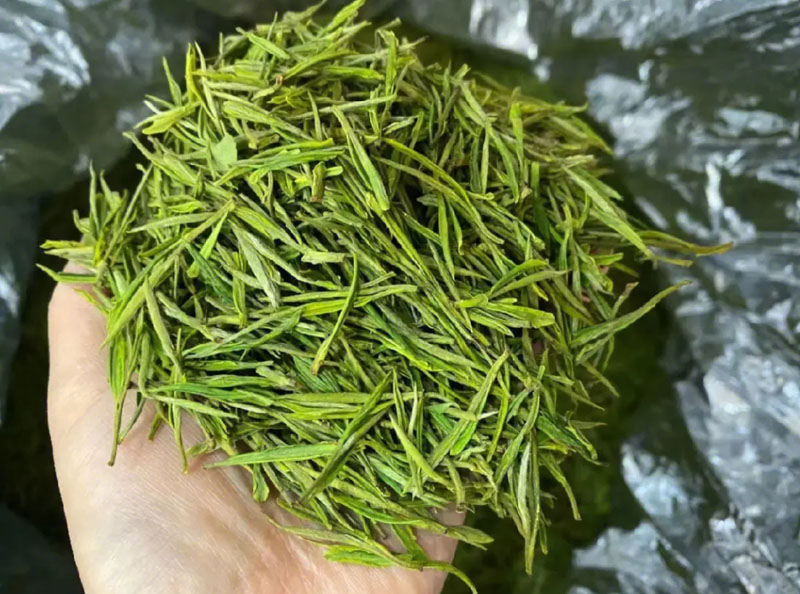
Pu-erh Tea: Creative Uses Beyond Drinking
Pu-erh tea is a beloved beverage, but its leftover tea dregs are often discarded. Rich in dietary fiber, inorganic substances, and water-insoluble protein, these dregs have numerous practical applications in daily life. For instance, they can be used to wash hair, promoting hair health and shine; bo...
Tea News · Mar 09, 2026

Want to lose weight, should you drink green tea or choose Pu-erh tea?
Both green tea and Pu-erh tea are popular choices for weight loss. Green tea contains aromatic compounds that help dissolve fat, vitamins B1 and C, and caffeine that aid digestion and fat burning. Its catechins boost metabolism and reduce fat cell accumulation. It should be consumed half an hour aft...
Tea News · Mar 07, 2026