Anxi Has More Than Tieguanyin: Decoding the Four Major Varieties of Southern Fujian Oolong Tea
When it comes to Southern Fujian Oolong tea, Anxi Tieguanyin immediately comes to mind. However, Anxi produces more than just Tieguanyin. Since the 1950s, for easier identification and grading, Anxi Oolong teas have been categorized into Tieguanyin, 'Se Zhong' (variety teas , and Oolong. 'Se Zhong'...
Tea News · Mar 15, 2026
What type of tea is Tieguanyin? Analysis of Tieguanyin's Nutritional Benefits
Tieguanyin is a famous variety of Oolong tea (also known as green tea , originating from Anxi County, Fujian Province, China. It is renowned for its unique orchid aroma, rich flavor, and significant health benefits. As a semi-fermented tea, Tieguanyin combines the freshness of green tea with the ric...
Tea News · Mar 13, 2026
Do You Know That the Optimal Tea Brewing Time Is Sixty Seconds?
Tea enthusiasts often believe that tea should be brewed until it develops color to taste smooth and to fully extract its nutrients. But is this true? Data provides insight. Professor Ma Zhaoli from the Qingdao University Chemical Experiment Center conducted a test using Tieguanyin tea as a sample. B...
Tea News · Mar 10, 2026
The Theory of Honey Tea in Tieguanyin
The article discusses the practice of making 'Honey Tea' with Tieguanyin tea, presenting both a tea enthusiast's simple method of steeping aged Tieguanyin in honey and a more complex commercial production process involving honey, pearl powder, and heat treatment. While some believe the combination o...
Tea News · Mar 09, 2026
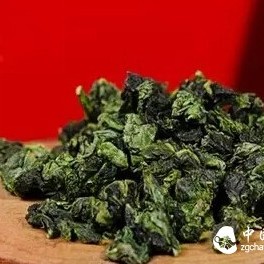
What are the health benefits of drinking Tieguanyin tea?
Nutrition experts from the Quanzhou Nutritionist Association recently analyzed the health benefits of traditionally processed Anxi Tieguanyin tea. They highlighted that this type of tea, made through a heavy shaking and fermentation process, has a golden soup color, a distinct "Guanyin charm," and a...
Tea News · Mar 05, 2026
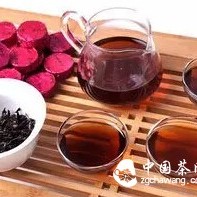
10 Tips for Pu-erh Tea Beginners
For newcomers to Pu-erh tea, it's important to avoid direct comparisons with other teas like oolong or green tea, as Pu-erh differs in aroma, processing, and value. Focus on learning through observation, asking questions, and tasting before purchasing. Be cautious of marketing terms like 'wild,' 'ce...
Tea News · Mar 04, 2026
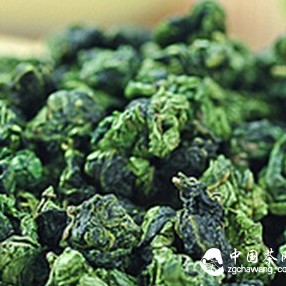
Classification of Anxi Tieguanyin
Anxi Tieguanyin is primarily classified into three major types based on fermentation level and production techniques: Fragrant Type, Rich Aroma Type, and Aged Aroma Type. The Fragrant Type features a light, slightly sweet taste with a clear, floral aroma and emerald green leaves. The Rich Aroma Type...
Tea News · Mar 02, 2026
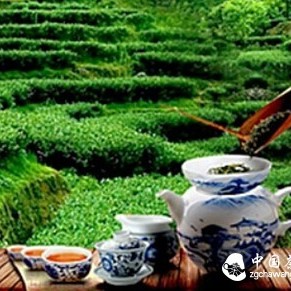
The Difference Between Tieguanyin and Aged Tieguanyin?
This article explains the key differences between standard Tieguanyin tea and Aged Tieguanyin. Standard Tieguanyin is a lightly fermented oolong tea best consumed fresh, typically within one to three months when stored at room temperature, or up to two years if vacuum-sealed and refrigerated. In con...
Tea News · Mar 01, 2026
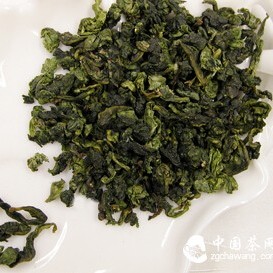
Keep Tieguanyin at home, it can be used as medicine in critical moments!
Tieguanyin tea contains high levels of amino acids, minerals, tea polyphenols, and alkaloids, along with various nutritional and medicinal components, offering several practical uses in daily life. It can be applied to treat minor burns or scalds by using a concentrated decoction of the tea leaves....
Tea News · Feb 28, 2026
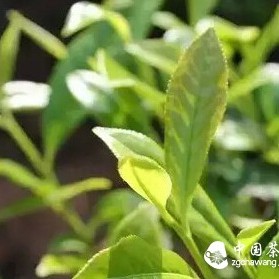
New Tea is Better: Several Tips for Identifying Spring Tea
Spring tea generally refers to tea leaves made from the first buds sprouted by tea plants after overwintering. In China, spring tea is primarily defined by the time period between the Beginning of Spring and before the Grain Rain. As the spring tea season arrives, it's important to know how to ident...
Tea News · Feb 28, 2026