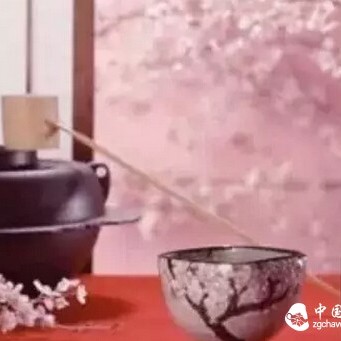
Interesting Little Knowledge About Tea
This article shares several interesting pieces of knowledge about tea tasting and selection. It explains the concept of 'water path' in tea drinking, which refers to the sensation felt in the swallowing passage when consuming tea broth. It also provides methods to distinguish between spring tea and...
Tea News · Mar 26, 2026
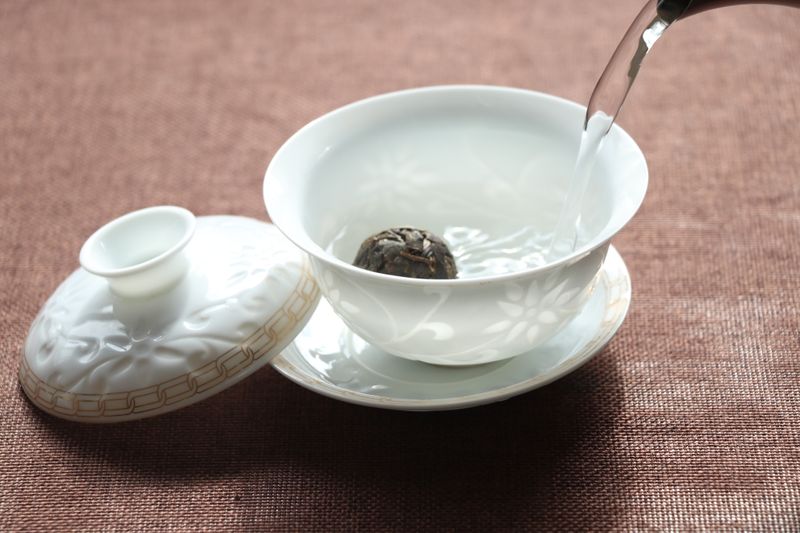
Several Types of Tea You Must Drink When Feeling Unwell!!!
When you're feeling under the weather, don't rush to take medicine. Sometimes, drinking tea can provide appropriate relief. The following four types of tea can address various discomforts. Black tea helps prevent flu, warm the body, and aid digestion. Green tea is excellent for clearing internal hea...
Tea News · Mar 20, 2026
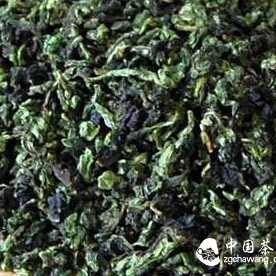
What Kind of Tea is Tieguanyin and Why is it Popular
Tieguanyin, originating from Xiping Township in Anxi County with a history of over 200 years, is a premium variety of Oolong tea. Its production involves a unique process: plucking mature 2-3 leaves (known as 'open-face plucking' , followed by sun-withering, shaking (for oxidation to develop natural...
Tea News · Mar 18, 2026
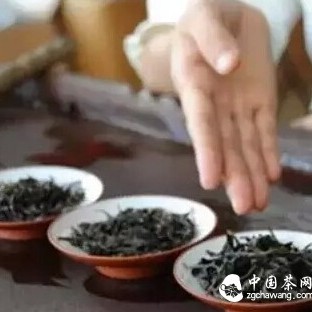
New Tea Cup Brewing, Old Teapot Steeping
Different types of tea require specific brewing methods and water temperatures. The principle 'old tea steeped in a pot, tender tea brewed in a cup' guides the choice of vessel: aged teas like Oolong and Black Tea are best brewed in porous vessels like Yixing clay teapots, while delicate, young teas...
Tea News · Mar 15, 2026
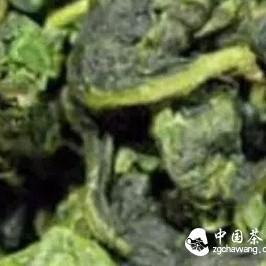
Anxi Has More Than Tieguanyin: Decoding the Four Major Varieties of Southern Fujian Oolong Tea
When it comes to Southern Fujian Oolong tea, Anxi Tieguanyin immediately comes to mind. However, Anxi produces more than just Tieguanyin. Since the 1950s, for easier identification and grading, Anxi Oolong teas have been categorized into Tieguanyin, 'Se Zhong' (variety teas , and Oolong. 'Se Zhong'...
Tea News · Mar 15, 2026
Tangyuan Too Greasy? Don't Worry, Tea is Here
The Lantern Festival, also known as Shangyuan Festival or Spring Lantern Festival, is a traditional Chinese folk holiday where eating tangyuan (sweet rice balls is customary. Modern tangyuan come in increasingly rich and delicious varieties, but their sweet, greasy, and glutinous nature can be hard...
Tea News · Mar 13, 2026
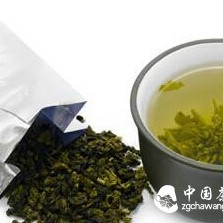
29 Wonderful Uses for Tea Leaves!
Tea is a beloved beverage, but the leftover tea leaves after brewing are often discarded. However, these used tea leaves have numerous practical applications in daily life. This article compiles 29 clever uses for tea leaves, ranging from culinary enhancements to household cleaning and personal care...
Tea News · Mar 13, 2026
Got Dampness in Your Body? Drink Tea to Flush It Out
In the damp spring season, excess moisture can accumulate in the body, especially for women. Drinking tea is a convenient and effective way to combat dampness, as it promotes diuresis (increased urine production , which helps eliminate excess fluids. Tea also generates body fluids and soothes the th...
Tea News · Mar 11, 2026
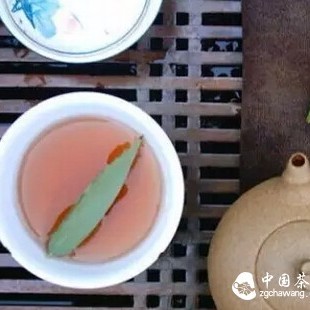
How Much Do You Know About China's Seven Major Tea Categories?
China's tea culture is profound, with teas traditionally categorized into seven major types based on processing methods and fermentation levels: Green Tea (unfermented , Black Tea (fully fermented , Oolong Tea (semi-fermented , Yellow Tea (lightly fermented , White Tea (minimally fermented , Dark Te...
Tea News · Mar 10, 2026
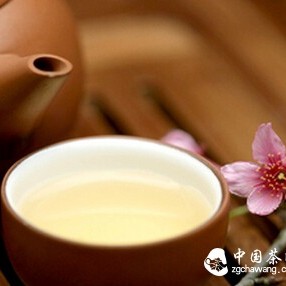
Have You Been Drinking Beauty and Weight Loss Tea Correctly?
Different types of tea offer specific benefits for beauty and weight loss, and choosing the right one is essential. For those on a diet, Oolong tea is recommended, while those with bloating may benefit from Coix seed tea. If stress causes constipation, Lotus leaf tea can help, and Hawthorn tea is su...
Tea News · Mar 06, 2026