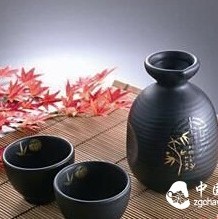
Can Tea Really Help Sober Up?
The idea that tea can help sober up is widespread in China and has a long history. However, there is no reliable scientific evidence to support this claim. Vitamin C can assist the liver in breaking down alcohol, but the amount of vitamin C in tea is limited, especially after processing and brewing....
Tea News · Jun 16, 2026
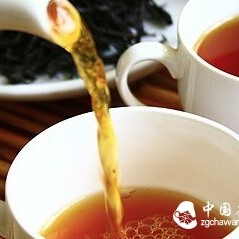
Gargling with Black Tea Can Prevent Influenza
Scientists from the U.S. National Institutes of Health used nuclear magnetic resonance imaging to study influenza viruses and found that the lipids surrounding the virus harden in cold weather, protecting the virus. Japanese researchers suggest that gargling with black tea can help prevent influenza...
Tea News · Jun 16, 2026
The “Soup Sensation” of Pu-erh Tea That Cannot Be Ignored
Soup sensation is an important aspect of drinking Pu-erh tea. For beginners, it is often overlooked because they are used to the fresh fragrance or floral notes of other teas. By focusing on the mouthfeel—such as viscosity, softness, smoothness, and thickness—drinkers can better appreciate the full...
Tea News · Jun 15, 2026
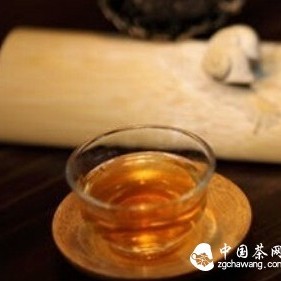
The Benefits of Understanding Aged Dark Tea
Aged dark tea, known as the 'life drink' of frontier nomads, effectively aids digestion and reduces fat. Clinical studies show it helps lower blood lipids and blood pressure. Rich in beneficial 'golden flowers' (Eurotium cristatum , it offers anti-cancer, anti-radiation, and anti-aging properties, m...
Tea News · Jun 15, 2026
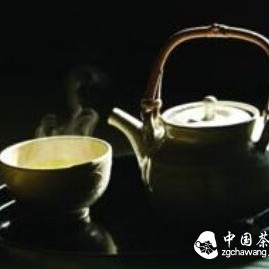
Aroma of Tea in Five Layers, How Many Can You Discern?
Different tea varieties possess unique aromatic profiles. When tasting tea, careful study reveals subtlety and pleasure. From the basic 'waterborne fragrance' where scent is smelled but not tasted, to the supreme 'water is fragrance' state where tea and aroma are perfectly fused, each level offers a...
Tea News · Jun 15, 2026
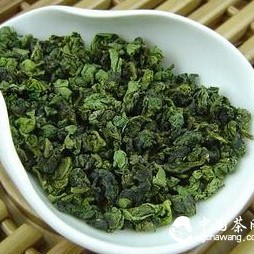
Unique Tea Tasting Method of High Mountain Tieguanyin
Every type of tea has its own unique flavor, shape, and color, and High Mountain Tieguanyin is a perfect example. If you choose it as a health preservation method, understanding its shape, sound, color, aroma, and taste will help you appreciate its uniqueness. High-quality Tieguanyin is tightly curl...
Tea News · Jun 15, 2026
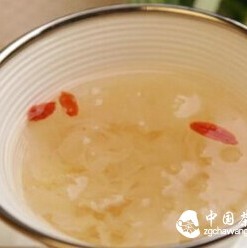
Nine Autumn Lung-Nourishing Tea Drinks: White Fungus Tea Moistens Lungs and Stops Cough
In autumn, choosing suitable tea remedies according to one's constitution can help enhance health and strengthen the body. This article recommends nine lung-nourishing teas, including Yellow Essence Tea, White Fungus Tea, and Tangerine Peel Tea, which help moisten dryness, nourish yin, and stop coug...
Tea News · Jun 15, 2026
Do you know which tea is best to drink in winter?
This article introduces several health teas suitable for winter, including milk black tea, astragalus black tea, sugarcane black tea, and glutinous rice black tea. Each tea has specific health benefits, such as nourishing qi and blood, strengthening the body, and improving虚弱 symptoms. The article em...
Tea News · Jun 15, 2026
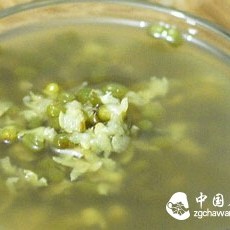
Six Tips to Beat Summer Heat: Green Tea Replenishes Fluids and Cools Down
The hot summer weather poses a risk of heatstroke. This article offers six effective strategies to combat the heat, including drinking green tea to rehydrate and reduce internal heat, eating mung beans to strengthen the spleen, using fans instead of air conditioning, wearing breathable cotton clothi...
Tea News · Jun 15, 2026
5 White Imperata Root Health Teas to Help You Dispel Heat and Detoxify
This article introduces five health teas made with fresh white imperata root, each designed to help clear heat and detoxify the body. Recipes include combinations with honeysuckle, peony root, lotus node, water chestnut, and sugarcane with carrot, targeting symptoms like sore throat, nosebleeds, cou...
Tea News · Jun 15, 2026