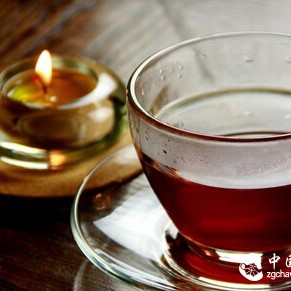
Homemade Autumn Health Tea: Reduce Fat, Lose Weight, and Relieve Constipation
Autumn's dry weather often leads to constipation, hindering detox and weight management. This homemade health tea uses rhubarb and green tea to promote bowel movement, reduce fat absorption, and support weight loss. Suitable for those with bloating and irregular digestion, but caution is advised for...
Tea News · Jun 14, 2026
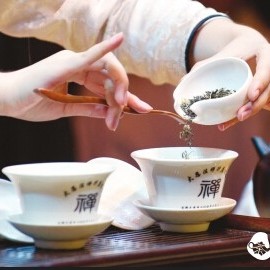
Looking to Lose Weight? Look Here – These Teas Will Help You Get Slimmer
Tea is one of the simplest and most effective ways to lose weight. The aromatic compounds in tea can dissolve fat and prevent fat accumulation, while vitamin B1, C, and caffeine promote gastric secretion and aid digestion. Tea polyphenols boost metabolism and reduce fat cell buildup, helping you ach...
Tea News · Jun 14, 2026
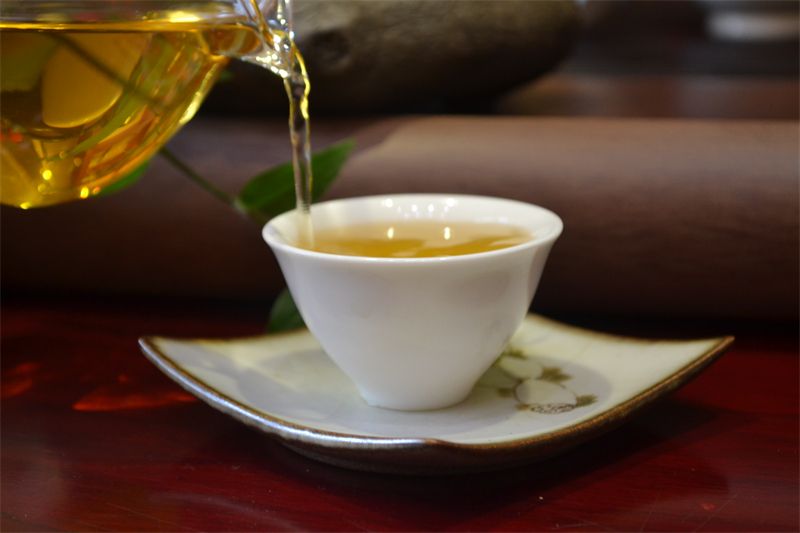
How Much Tea Should You Use When Brewing?
When brewing tea, the amount of tea leaves used should be moderate—better too little than too much. Generally, after the second infusion, the leaves expand to over 90% of their size. For Oolong, Tieguanyin, and Jinxuan teas, Jinxuan expands the most. For Baozhong tea, due to its strip shape, fill th...
Tea News · Jun 14, 2026
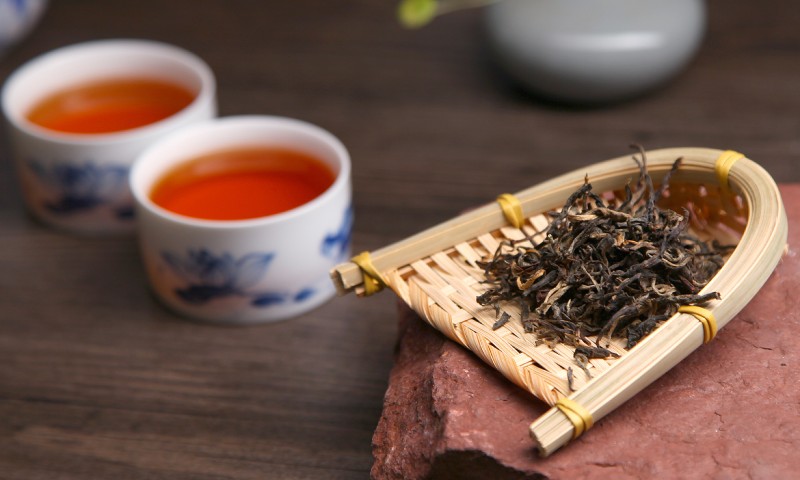
What Tea Is Best to Drink in Autumn
Drinking tea varies with the seasons: green tea in summer, black tea in winter, and oolong tea year-round. In autumn, the weather is dry, often causing thirst and dry throat. Oolong tea, Tieguanyin, and other green teas are recommended. Oolong tea is neutral, neither cold nor hot, making it suitable...
Tea News · Jun 14, 2026
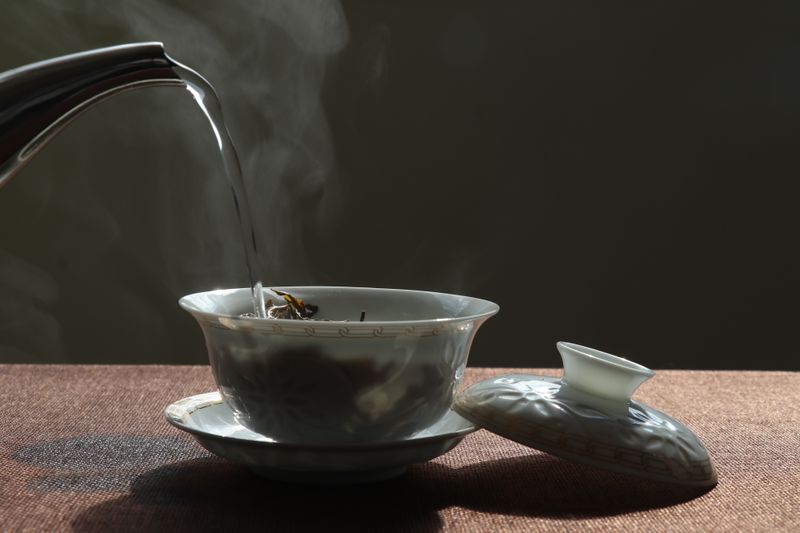
How to Store Fuding White Tea for Long-Term: Control Moisture Content Below 5%
People who have tasted aged white tea often become fond of its unique aroma, taste, and liquor color. Chen Xinghua once said, “Aged white tea grows on you over time.” Currently, white tea aged over 7 years is scarce. The best way to enjoy aged white tea sustainably is to learn to store Fuding white...
Tea News · Jun 14, 2026
Can Pu'er Tea Really Refresh You?
Under normal circumstances, Pu'er tea helps people relax. When you feel stressed at work, taking a little time to slowly savor Pu'er tea can cultivate patience. Drinking Pu'er tea can relieve stress and ease your mood. In other words, if you are very tired, drinking Pu'er tea may make you want to re...
Tea News · Jun 14, 2026
Teach You a Trick to Expose Reconstituted Tea
Reconstituted tea can be identified by its color, aroma, and taste. Fresh green tea has a bright green color and a yellow-green infusion, while fresh black tea has a glossy black color and a bright red infusion. Stored tea loses its freshness: the color becomes dull, the aroma fades, and the taste b...
Tea News · Jun 14, 2026
How to Drink Tea Scientifically and Reasonably: Choose Different Teas for Different Seasons
This article discusses how to drink tea scientifically and reasonably by considering tea properties, individual body constitutions, and seasonal changes. It explains that green tea is cool and suitable for summer, while black tea and oolong tea are warm and good for winter. Jasmine tea is recommende...
Tea News · Jun 14, 2026
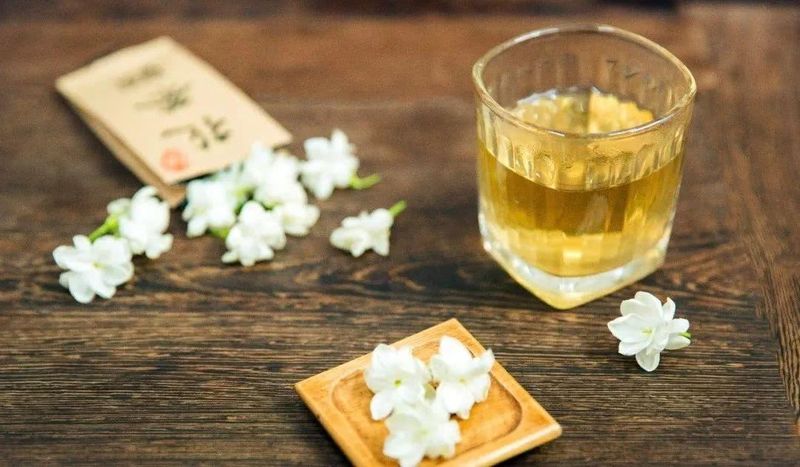
Do You Know the Top Ten Famous Teas? Which One Is Your Favorite?
China's top ten famous teas include West Lake Longjing, Biluochun, Huangshan Maofeng, Lushan Yunwu, Lu'an Guapian, Junshan Yinzhen, Xinyang Maojian, Wuyi Rock Tea, Anxi Tieguanyin, and Qimen Hongcha. Longjing is known for its flat and smooth leaves and delicate fragrance, while Biluochun is prized f...
Tea News · Jun 14, 2026
Can't Brew the Charm of Pu'er Tea?
There are various reasons why many tea enthusiasts fail to brew the charm of Pu'er tea. These include the quality of the tea tree itself, such as young trees or those grown in nutrient-deficient soil; excessive moisture during the rainy season, which dilutes the tea's quality; and modern processing...
Tea News · Jun 14, 2026