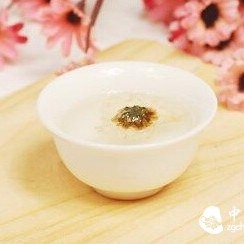
Chrysanthemum Whitening Tea Recipe and Benefits
Chrysanthemum Whitening Tea is a refreshing and nourishing beverage made with chrysanthemum tea leaves, red bean paste, honey, and coffee creamer. It combines the floral notes of chrysanthemum with the creamy sweetness of red bean, creating a unique and healthful drink. The recipe involves blending...
Tea News · Jun 03, 2026
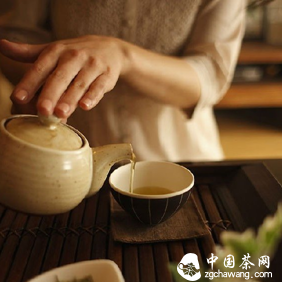
Let's Learn Tea Together
This article introduces 24 key terms for tasting tea, covering aspects such as tea character, quality, aroma, bitterness, astringency, sweetness, throat feel, and aging韵. It is suitable for beginners to systematically learn the professional vocabulary and experience of tea tasting....
Tea News · Jun 03, 2026
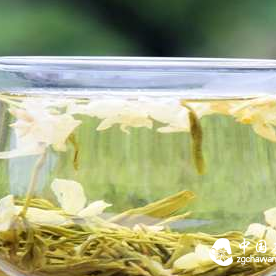
Choose Your Perfect Cup of Tea: Jasmine Is Most Suitable for Women
Jasmine tea, a reprocessed tea made from green tea and jasmine blossoms, is warm in nature and helps relieve stress. Tieguanyin oolong tea is rich in nutrients and supports health and beauty. White tea is especially effective for lowering blood pressure. Black tea, being fully fermented, is gentle o...
Tea News · Jun 03, 2026
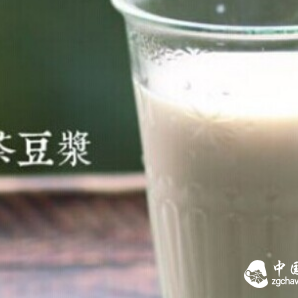
Red Tea Soy Milk
Tired of plain soy milk? Give yourself a warm cup of red tea soy milk in the morning — both delicious and refreshing. The red tea I use is Dajiling (Darjeeling red tea, but you can use any kind you like. If you don't want to strain the tea leaves, tea bags work fine too....
Tea News · Jun 03, 2026
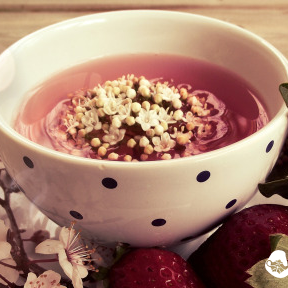
Autumn Means “Blooming”! 6 Wonderful Flower Teas Perfect for the Golden Season
Autumn is the most beautiful season, when nature is at its most colorful and vibrant. During this wonderful time, our mood should also be joyful. The National Day holiday coincides with the Double Ninth Festival, making it perfect to enjoy the scenery with family, appreciate flowers, and drink flowe...
Tea News · Jun 03, 2026
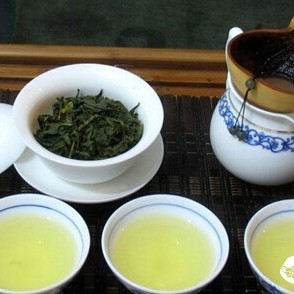
The Biggest "Mistake" of Modern People in Tea Drinking
Modern tea drinkers often fall into two major misunderstandings: believing that more expensive tea is always better, and drinking tea only for quenching thirst rather than savoring it. Experts suggest choosing tea based on personal constitution and seasons, avoiding long-term steeping of tea leaves...
Tea News · Jun 03, 2026

What Tea to Drink in Autumn for Dry Weather
In autumn, due to dry weather, people often feel dry eyes and lips. This article introduces several easy-to-make herbal teas that help nourish the eyes and protect the liver. Chrysanthemum tea is rich in vitamin A and great for relieving eye dryness caused by overuse. Goji berry tea nourishes the li...
Tea News · Jun 02, 2026
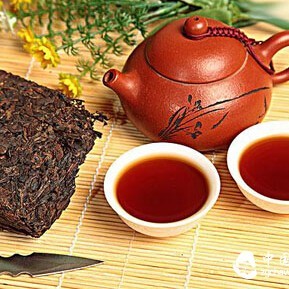
A Lifetime Supply for Generations
Pu'er tea is highly valued for its aging potential, but not all teas improve over time. Poor-quality or improperly stored tea can become worthless. Experts advise focusing on high-quality raw materials, reputable brands, and good taste when selecting tea for collection. Investment risks include mark...
Tea News · Jun 02, 2026
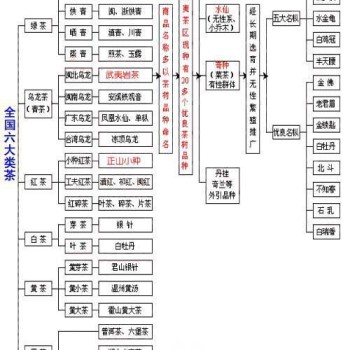
Understand China's Six Major Tea Categories in One Picture!
China's six major tea categories are classified by production method and fermentation degree: green (unfermented , white (lightly fermented , yellow (lightly fermented , oolong (semi-fermented , black (post-fermented , and red (fully fermented . Their appearance and liquor color shift from green to...
Tea News · Jun 02, 2026
Say Goodbye to "Deficiency" Health Practices
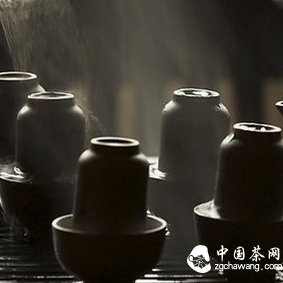
Modern people are increasingly busy, often commuting by car and resting at home, rarely exercising, leading to various "deficiencies" and sub-health. The article introduces "tea moxibustion" — a method using tea steam to stimulate meridians and acupoints, combining heat, detoxification, and energy b...
Tea News · Jun 02, 2026