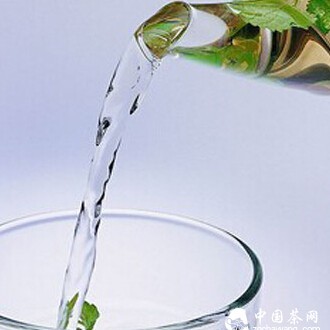
The Beauty of Tea Tasting
China is the hometown of tea, where tea is highly valued. Rich in iron, calcium, phosphorus, vitamins, amino acids, and various enzymes, tea is especially effective in refreshing the mind, clearing vision, and relieving summer heat. It contains tea polyphenols, a natural antioxidant that helps detox...
Tea News · May 30, 2026

Don't Miss the True Autumn Tea as Hanlu Arrives
As the weather turns colder and autumn deepens, the arrival of the Hanlu solar term marks the official start of the annual autumn tea season. Although Tieguanyin has lost some limelight in recent years, its solid mass appeal means it will make a "king's return" in this year's autumn tea market. Tieg...
Tea News · May 30, 2026
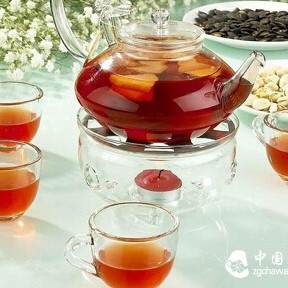
The Unique Health Benefits of Black Tea
Traditional Chinese medicine suggests that winter is dry and cool, often leading to dry skin, nasal passages, and throat, as well as poor internal circulation and digestive issues from rich foods. Drinking warm black tea in winter helps replenish fluids, as black tea is warm in nature and nourishes...
Tea News · May 30, 2026
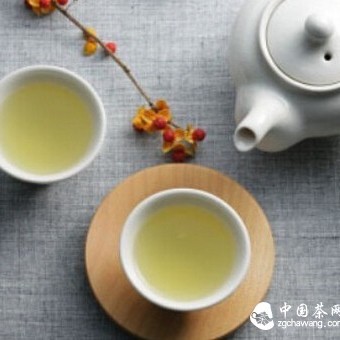
Don't Claim to Know Tea! Comprehensive Tea Identification Knowledge!
Tea tasting is a comprehensive art. There is no absolute standard for good or bad tea; it entirely depends on personal taste preferences. Generally, judging the quality of tea can start from observing the leaves, smelling the aroma, tasting the flavor, and examining the infused leaves....
Tea News · May 30, 2026
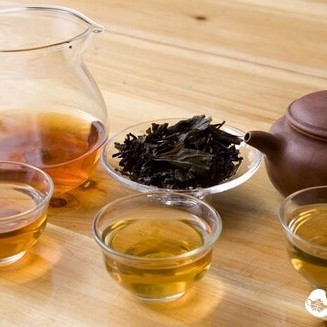
Five Ways to Drink Dark Tea
The method of drinking dark tea is relatively simple. Hunan Anhua dark tea is divided into Qianliang tea series, Fu tea series, Tianjian tea series, etc. Here, Benyuan Health Tea has compiled the methods of drinking dark tea. You can use a purple clay pot, a convenient brewing cup, or a covered bowl...
Tea News · May 30, 2026

Basic Knowledge You Must Understand When Learning and Identifying Tea
This article introduces 24 basic tea knowledge points, covering tea character, tea quality, aroma, bitterness and astringency, sweet aftertaste, salivation, convergence, sweetness, water character, layering, throat charm, fullness, smoky flavor, fruity acidity, sourness, watery taste, green taste, t...
Tea News · May 30, 2026
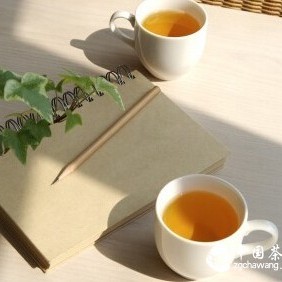
Tea Hot Knowledge, How Much Do You Know?
Hot knowledge about tea: how much do you know? A healthy adult with a tea-drinking habit typically consumes about 12 grams of tea per day, divided into 3-4 infusions. Tea leaves contain 3.5-7.0% inorganic substances and 93-96.5% organic compounds, including proteins, amino acids, carbohydrates, and...
Tea News · May 30, 2026
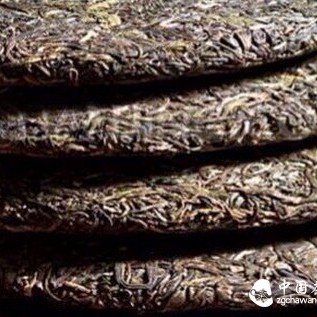
Why is Pu'er tea compressed into cake form?
Pu'er tea is compressed into cake form not only for convenient storage and transportation but also for better preservation of its quality. The compression reduces the impact of moisture absorption and evaporation, helping to retain microorganisms and aroma. It also minimizes the effects of air tempe...
Tea News · May 30, 2026
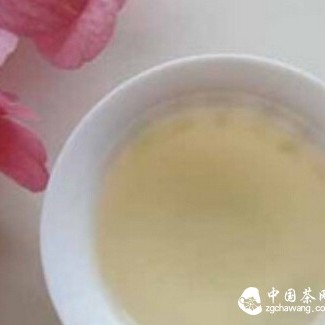
Tea Used for Eye Compresses: Avoid Black Tea
Tea has beauty and skincare benefits that can be achieved both through drinking and external application. White-collar workers who often stay up late can use natural tea to treat dark circles and eye bags. To treat dark circles, chilled tea bags can be placed over the eyes for 10-15 minutes weekly....
Tea News · May 30, 2026
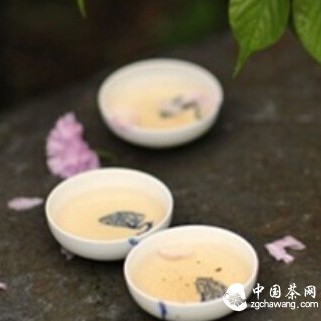
Amazing Tea Antioxidant Data: Do Girls Know?
According to scientific research, a single 300ml cup of tea has antioxidant effects equivalent to one and a half glasses of red wine, or 12 glasses of white wine, or 12 beers, or 4 apples, or 5 onions, or 7 glasses of fresh orange juice, or 18 to 50 times the vitamin E content. Different types of te...
Tea News · May 30, 2026