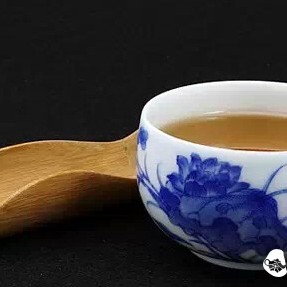
A Cup of Red for You, May Your Winter Be as Warm as Spring
Black tea, with its warm nature, becomes a favorite during the cold winter months. This article explores its seasonal popularity by highlighting key benefits: it warms the stomach, nourishes the skin with antioxidant properties, and helps fight bacteria. Additionally, black tea can strengthen bones,...
Tea News · Apr 01, 2026
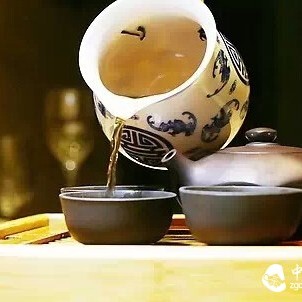
Get Rid of These Bad Tea Drinking Habits, and Let Your Body Say YES!
Tea drinking can promote health, but it's important to remember that there are taboos. Developing bad tea drinking habits can lead to adverse effects. This article compiles advice from traditional Chinese medicine on several common bad tea drinking habits. Correcting these habits will allow your bod...
Tea News · Mar 31, 2026
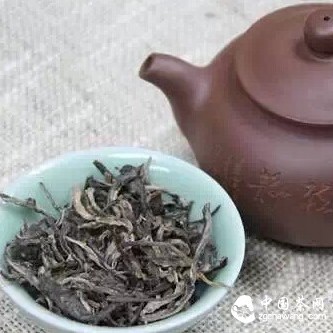
Small Methods to Remove Bitterness and Astringency from Tea
For beginners who find the renowned and powerful Laobanzhang tea too bitter and astringent, there are several methods to mitigate these strong flavors. Adjusting the amount of tea leaves, modifying brewing techniques such as water temperature and steeping time, and pouring water along the edge of th...
Tea News · Mar 31, 2026

Laba Festival, Have You Drunk Laba Tea?
Laba Festival, celebrated on the eighth day of the twelfth lunar month, is a traditional Chinese occasion featuring customs like eating Laba congee and drinking Laba tea, also known as eight-treasure tea. This tea typically contains eight ingredients such as tea leaves, red dates, wolfberries, walnu...
Tea News · Mar 31, 2026
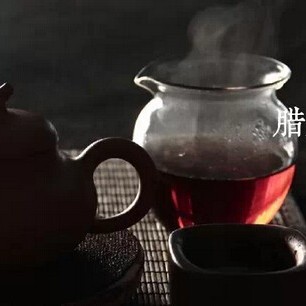
Eating Nourishing Porridge, Welcoming Laba, Drinking Warm Tea, Regulating the Spleen and Stomach
The Laba Festival, celebrated on the eighth day of the twelfth lunar month, is a traditional occasion for offering sacrifices to ancestors and deities, praying for harvest and good fortune. A key custom is eating Laba porridge, a nutritious dish made with diverse ingredients like grains, beans, nuts...
Tea News · Mar 31, 2026
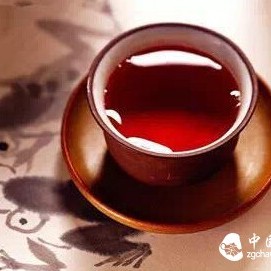
Are You Brewing These Four Types of Tea Correctly?
Tea is categorized into types such as White Tea, Green Tea, Oolong Tea, Black Tea, and Dark Tea. Each type differs not only in flavor but also in brewing method, requiring careful attention to steeping time and teaware. This article introduces the characteristics and proper brewing techniques for fo...
Tea News · Mar 31, 2026

Stop Being Willful! Five Wrong Tea Brewing Methods You Should Change Now
Tea is China's national drink and a common beverage in daily life. However, many people may not brew tea correctly, often sticking to improper methods. This article summarizes five common mistakes in tea brewing: 1 Brewing tea too strong, which over-extracts caffeine and tannins, irritating the sto...
Tea News · Mar 31, 2026
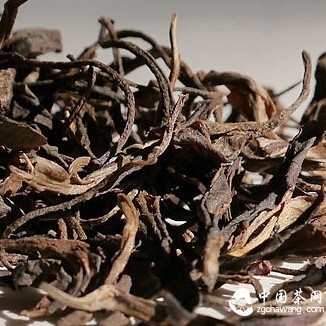
How to Master the Water Temperature for Brewing Pu-erh Tea
The release of the 'true flavor' of tea leaves depends entirely on water temperature, hence the saying 'water is the mother of tea.' For brewing Pu-erh tea, the water temperature requirement is generally higher than for other teas. The principle 'tender leaves brewed with warm water, old leaves brew...
Tea News · Mar 31, 2026
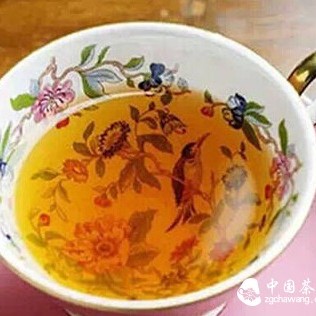
24-Hour All-Day Tea Drinking Guide, Tea Lovers Must Know
Drinking tea has always been one of the wonderful methods for health preservation, and the key to maintaining health with tea lies in accurately controlling the timing. What tea to drink at different times, how to drink it, and how much to drink all involve many considerations. Today, we present a 2...
Tea News · Mar 30, 2026
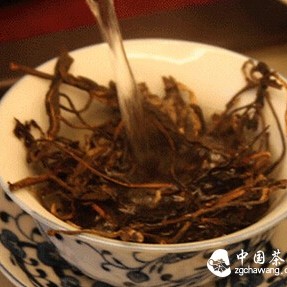
A Comprehensive Collection of Pu-erh Tea Drinking Methods
Pu-erh tea is renowned not only for its quality but also for its unique drinking methods and remarkable health benefits. The basic ways to enjoy it are 'brewing' (which includes steeping and infusing and 'boiling'. Loose-leaf Pu-erh is typically brewed, while compressed Pu-erh is best boiled in an...
Tea News · Mar 30, 2026