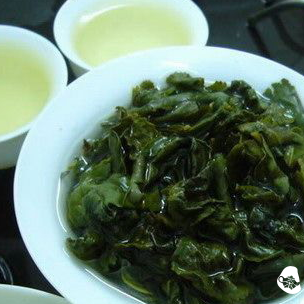
How to Select High-Quality Tieguanyin Autumn Tea
Tieguanyin, known for its rich fragrance and flavor, is highly favored by tea enthusiasts. As the autumn Tieguanyin tea hits the market, this article shares practical tips on how to distinguish high-quality autumn Tieguanyin, focusing on the four key steps: observe, listen, smell, and taste....
Tea News · May 11, 2026
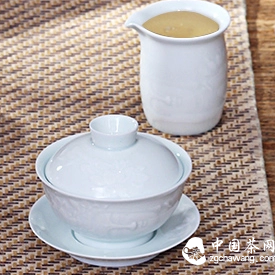
First, Know Your Tea When Drinking Tea
Drinking tea is more than just quenching thirst; it is an art that requires understanding. The first step is to know the tea itself, as Chinese teas vary greatly in quality and type. Then comes the water, the teaware, and the company. The highest realm is to grasp the Way of tea, seeking spiritual i...
Tea News · May 11, 2026
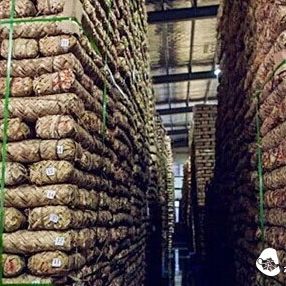
Five Key Points to Master in Dark Tea Collection
Dark tea, favored for its long storage life and improving flavor over time, is considered a drinkable antique with strong value appreciation potential. This article outlines five essential aspects of collecting dark tea: prioritizing quality, maintaining a balanced collection of new and aged teas, b...
Tea News · May 11, 2026
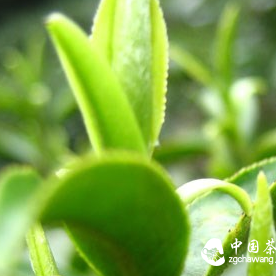
The Biggest "Mistake" Modern People Make When Drinking Tea, Are You Guilty?
Although China may be called the "Kingdom of Tea," experts indicate that there are currently two misunderstandings about drinking tea. First, people think the more expensive the tea, the better. Second, people only drink tea but do not savor it. In fact, the biggest value of tea for people is to nou...
Tea News · May 11, 2026
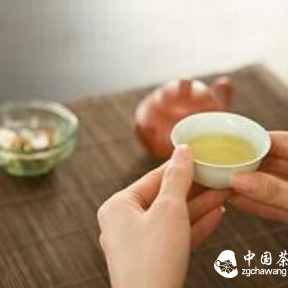
The Great Knowledge in Serving and Pouring Tea
Drinking tea is a refined practice, and so is pouring it. It involves not just the method but also the mindset. Before serving, ensure the tea set is clean, seat the guests, and rinse all utensils with boiling water—a gesture of hygiene and respect. When pouring, fill the cup only eight-tenths full...
Tea News · May 11, 2026
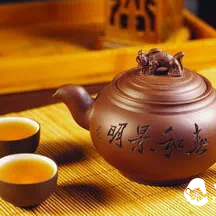
Can Diabetics Drink Pu'er Tea?
Research shows that Pu'er tea can inhibit enzymes related to diabetes by over 90%. In animal experiments, diabetic rats that drank Pu'er tea continuously for 42 days saw a 42% drop in blood sugar, outperforming the 36% drop from the oral diabetes drug rosiglitazone. Over an 11-month period, all diab...
Tea News · May 11, 2026
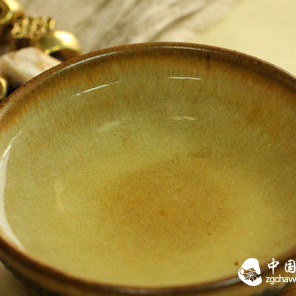
Detailed Characteristics of the Sixteen Major Pu'er Tea Mountains
This article provides a detailed introduction to the characteristics of sixteen major Pu'er tea mountains in Yunnan, covering their locations, tea tree varieties, and unique flavor profiles. It covers well-known regions such as Bulang, Banzhang, Jinggu, Bangwai, Nannuo, Gedeng, Manzhuan, Wuliang, Yi...
Tea News · May 11, 2026
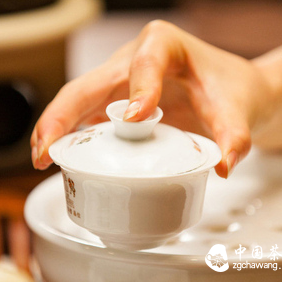
Tea Tasting: Why Can't You Ever Recapture the Flavor of the Last Cup?
Have you ever been puzzled by the fact that the same tea, when brewed a second or third time, never seems to taste quite like it did before? You can't pinpoint exactly why, but something always feels off. From the influence of weather and storage conditions to the impact of your mood, environment, a...
Tea News · May 11, 2026
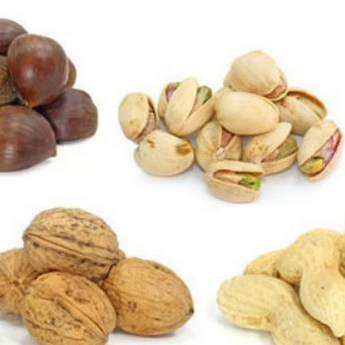
4 Tips for Warming Nourishment at the Start of Winter: Drink Goji Berry, Longan, and Red Date Tea
November 7 marks the traditional Chinese solar term "Start of Winter" (Lidong , a prime time for nourishing the body. According to traditional Chinese medicine, those with a cold constitution should choose warming tonics, while those with a hot constitution should opt for cooling or neutral tonics....
Tea News · May 10, 2026
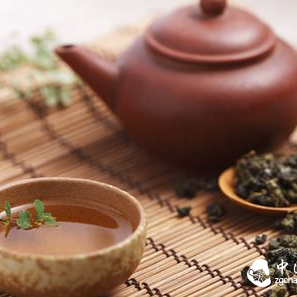
5 Major Benefits and 4 Taboos of Tea Drinking for Middle-aged People
Tea drinking is a common habit. The World Health Organization considers tea as the best beverage for middle-aged and elderly people. Tea leaves are rich in vitamins, protein, and fats. Regular consumption can help regulate physiological functions and provide significant health benefits. Shaanxi prod...
Tea News · May 10, 2026