![[Tea Knowledge] Four Cities in China with the Strongest 'Tea Atmosphere'](https://blog.teadrops.net/zb_users/cache/thumbs/add81cd82b021a4025f2947fb9f6f599-350-350-1.jpg)
[Tea Knowledge] Four Cities in China with the Strongest 'Tea Atmosphere'
China boasts a profound tea house tradition, with four cities renowned as major 'tea hubs.' In the east, Hangzhou represents refined cultural tea drinking by West Lake. Chengdu in the west embodies a平民文化, where tea is enjoyed casually under tree shades. Chaozhou in the south is famous for its elabor...
Tea News · Nov 21, 2025

Essential for Tea Professionals
Operating a tea business requires deep cultural foundations. Tea professionals must master comprehensive tea knowledge, maintain strict quality control, and employ scientific purchasing methods. Most importantly, they need well-trained staff with professional expertise, keen observation, flexible re...
Tea News · Nov 20, 2025
The Spirit of Pu-erh Tea
Among China's hundreds of teas, Pu-erh tea stands as the most capable inheritor and representative of traditional Chinese tea culture. Pu-erh tea embodies warmth and nobility in character, while its tasting experience is profound and elegant. Through aging, Pu-erh becomes increasingly fragrant, poss...
Tea News · Nov 17, 2025
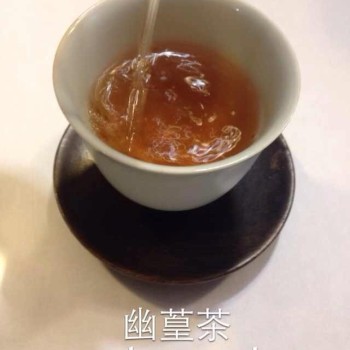
What is the Difference Between Pu'er and Rock Tea?
Pu'er tea and Wuyi Rock tea are both renowned historical teas with some similarities, such as the appreciation for aged character and old tea trees, as well as their long history as tribute teas. However, they differ significantly in aging periods, processing techniques, product categorization, and...
Tea News · Nov 08, 2025
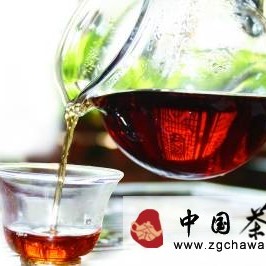
7 Brewing Methods for Pu-erh Tea
Pu-erh tea, known as a 'drinkable antique,' offers unique brewing techniques tailored to different preferences and occasions. This guide introduces seven distinct methods: Gaiwan brewing, small teapot brewing, small teapot steeping, large teapot steeping, iron kettle boiling, easy cup brewing, and a...
Tea News · Oct 27, 2025
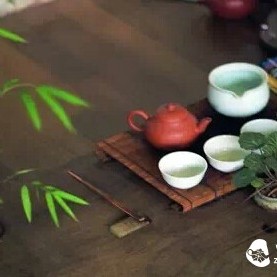
Human Among Plants: The Tea Art of Anxi Tieguanyin
Tea serves as a bridge connecting urban life with nature, promoting health and tranquility. The Chinese character for tea (茶 literally represents 'human among plants,' reflecting this connection. Anxi Tieguanyin tea culture embodies a unique heritage where tea artistry blends with southern Fujian l...
Tea News · Oct 13, 2025
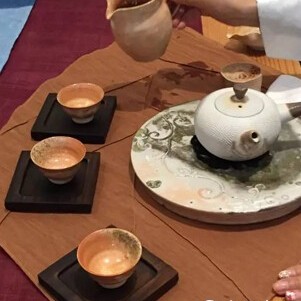
The 'Five Suitabilities' for Tea Connoisseurs – How Many Do You Possess?
In Chinese tea culture, the selection of tea utensils is a fundamental skill in tea art, guided by the principle of 'Five Suitabilities.' These include suitability to the tea itself, the water used, the individual's preferences, the artistic expression of the tea ceremony, and the surrounding enviro...
Tea News · Oct 07, 2025
![[Tea Study] Diancha, Doucha, and Chabaixi Are Not the Same Thing](https://blog.teadrops.net/zb_users/cache/thumbs/5df2ec71836c3347d0666ded55f72e76-350-350-1.jpg)
[Tea Study] Diancha, Doucha, and Chabaixi Are Not the Same Thing
This article explains the differences between three traditional Chinese tea practices: Diancha (point tea , Doucha (tea competition , and Chabaixi (tea froth art . Diancha was the primary tea preparation method in the Song Dynasty, involving whisking finely ground tea powder with hot water. Doucha w...
Tea News · Sep 30, 2025
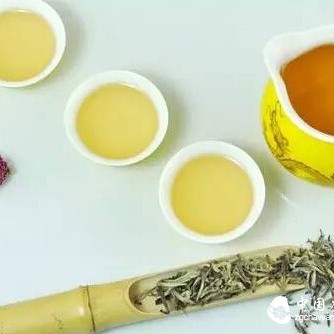
Health Cannot Be Lacking: Eight Uses of Tea
Tea, one of the world's three major beverages, boasts numerous health benefits. According to tea art training schools, tea contains over 400 components including caffeine, tannin, tea polyphenols, free amino acids, chlorophyll, carotene, essential oils, enzymes, provitamin A, vitamins B, C, E, P, mi...
Tea News · Sep 28, 2025
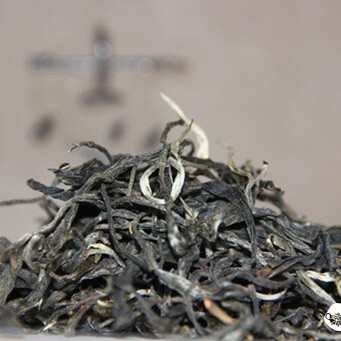
Is Pu-erh Tea Better Blended or Made from Ancient Tree Pure Material?
The debate between blended Pu-erh tea and ancient tree pure material tea is a matter of personal preference, each with distinct characteristics. Pure material tea, sourced from a single tea garden during the same period, offers a pure and authentic taste with clear regional traits, such as the robus...
Tea News · Sep 22, 2025